

























































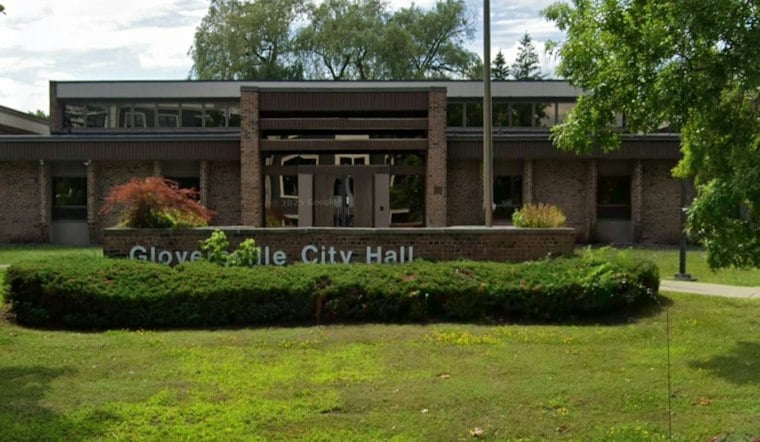
Gloversville has disabled public comments on its social media accounts after city officials cited a rise in threatening, derogatory and inappropriate posts. The change closes one feedback channel; officials say residents can still contact the city or speak at public meetings.
According to The Daily Gazette, city officials said the increase in threatening, derogatory and inappropriate comments led them to reconsider how the page is used. The city describes its accounts as channels for timely information about municipal operations, services, meetings, events and announcements. The Gazette reported that the Facebook page now identifies itself as an informational resource, not a forum for public debate.
Residents Pointed Back to City Hall
With comments closed, officials are directing residents to other ways to reach the city. The Gazette reported that people can contact officials through their offices or speak during public comment at council meetings and public hearings. Those channels remain available, but Facebook is no longer one of them.
What New York Law Says About Public Comment
According to the New York State Committee on Open Government, a public body’s meeting must be open to the public when a quorum gathers to discuss public business. The law does not require public bodies to let attendees speak, however, so whether residents can comment depends on the body’s rules and practices.
The Gazette also reported differing views among city officials about how to handle the comments. Gary Antonucci said blocking only disruptive commenters would amount to censorship. He also warned that negative posts could discourage businesses from outside the community from coming to Gloversville.
An All-or-Nothing Legal Landscape
City officials described disabling comments as an alternative to selectively blocking users, which Antonucci said would be censorship, according to the Gazette. But the Supreme Court's Lindke v. Freed decision does not establish a blanket rule that government pages must either allow every comment or disable all comments. It sets out a two-part test for when a public official's action on an official social-media page qualifies as state action under Section 1983.
Michael Stover, another city official, told the Gazette he could not single out the worst incidents because there had been so many.
Gloversville Follows Johnstown's Lead
Gloversville's move comes weeks after neighboring Johnstown adopted its own social media policy earlier in September, shutting off the ability to comment on its posts. Johnstown's feeds are intended to provide information on public services, emergencies, meetings and other parts of a community's function, but not as a forum for public discussion, the Gazette reported in earlier coverage. A policy document posted by the City of Johnstown states that official city accounts are intended solely to distribute information about official municipal business.
The pattern isn't confined to Fulton County. In Rhode Island, the Richmond town council voted 3-1 on Sept. 1 to adopt a municipal social media policy requiring public comments to be disabled on official town accounts, according to The Westerly Sun. That policy designates official town social media accounts as town property, limiting their use primarily to disseminating municipal information such as emergency notifications, meeting notices and public-works updates.
A Broader Pattern of Online Hostility Toward Officials
The shift away from open comment sections reflects a trend researchers have been tracking nationally. The Brennan Center for Justice has studied intimidating speech directed at public officials and reported that the volume and severity of abuse have increased in recent years. More than 40 percent of state legislators experienced threats or attacks within the past three years, and when less severe abuse like insults and harassment is included, that figure balloons to 89 percent of state legislators and 52 percent of local officeholders, according to Brennan Center for Justice research.
The consequences extend beyond uncomfortable inboxes. More than 40 percent of local officeholders said they were less willing to run for reelection or higher office because of the abuse, and roughly half of officeholders reported reluctance to communicate via social media as a result, according to the Brennan Center. Women in state legislatures were nearly four times as likely as men to experience abuse of a sexual nature, the group found, drawing on survey and interview data representing more than 1,700 officials from all 50 states. Closer to home, a Niskayuna board stopped livestreaming its meetings for similar reasons, as noted by The Recorder in earlier coverage of the region's social media troubles.





