

























































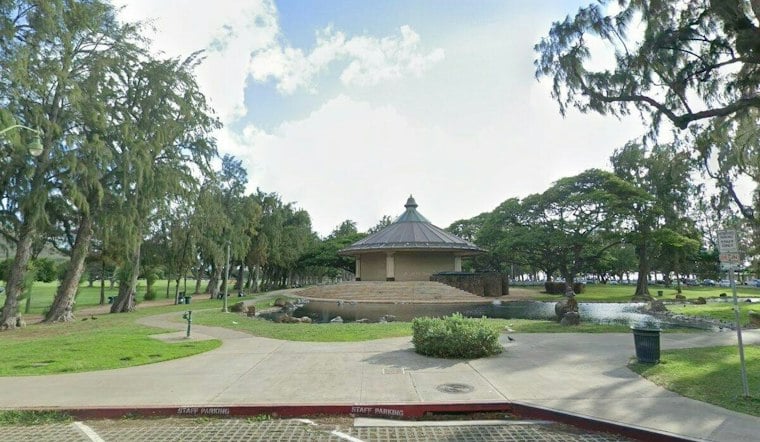
Hundreds of people gathered at Kapiolani Park on Saturday for the 14th annual Hawaii Walk & Roll to Cure ALS, a family-friendly fundraiser that drew families, caregivers, and advocates affected by the disease. Check-in opened at 8 a.m. at the park's bandstand, with the walk and roll kicking off at 9 a.m., and organizers set a $130,000 fundraising goal to support care services, research, and public policy efforts for people living with ALS in Hawaii.
The event was hosted by the ALS Network, according to Hawaii News Now, and featured kuʻu wa hula performances, a keiki zone, food and games, awards and opportunity drawings, a Splash to Cure ALS activity, and a resource fair connecting families with organizations serving the local ALS community. Hawaii Governor Josh Green attended the walk. He joined families, caregivers, and advocates at the park but did not personally take the event's Ice Bucket Challenge that year.
A Nonprofit Built Around Island-Specific Gaps
The ALS Network, formerly known as ALS Golden West, offers regional care management and durable medical equipment loans.
In February 2026, the Massachusetts-based research nonprofit ALS ONE integrated into the ALS Network, a move designed to pair East Coast academic research alliances with the network's regional patient care model, expanding access to clinical trials and leveraging shared technology for nationwide data sharing and corporate fundraising. Through late 2025, the ALS Network had directed more than $19 million into scientific research grants covering biomarker discovery, gene therapies, environmental risk factors, and clinical trials, research that has previously contributed to antisense technology breakthroughs now used in FDA-approved ALS treatments.
Corporate Sponsors and a National Policy Push
Corporate and healthcare partners backing the 14th annual Hawaii Walk & Roll included Alexander & Baldwin, Kaiser Permanente Hawaii, Biogen, Shionogi Inc., Apria Healthcare, and Mitsubishi Tanabe Pharma America, sponsorships that help underwrite event costs and accessibility features such as livestreaming for homebound participants, according to the ALS Network. Advocacy organizations have urged federal lawmakers to pass the ALS Better Care Act.
The walk's timing lines up with a major legislative milestone: on September 28, Congress passed the ACT for ALS Reauthorization Act of 2026 and sent it to the President, preserving federal funding for expanded access programs and neurodegenerative disease research through fiscal year 2031, according to a statement carried by PR Newswire. The original 2021 law had been set to expire on September 30, 2026, making the reauthorization vital for patients seeking access to experimental therapies outside clinical trials.
Hawaii's Place in the National ALS Picture
A National ALS Registry study published by the Centers for Disease Control and Prevention in 2024 found that Hawaii had an age-adjusted average ALS prevalence of 2.6 per 100,000 persons between 2011 and 2018, the lowest recorded rate of any state, compared with a national average of 4.4 per 100,000 persons over the same period. Even with that lower rate, the patients and families who do live with ALS in Hawaii face the added burden of distance, which is part of why local care coordination and equipment loan programs carry outsized importance for island households.
Recent research has also given patients reason for cautious optimism. A JAMA Neurology analysis reported in May 2026 showed that long-term use of the antisense drug tofersen stabilized or partially reversed functional decline in 25% of evaluated patients with SOD1-mutated ALS, a milestone for genetically driven forms of the disease previously covered by Hoodline's reporting on the drug's turnaround. For Hawaii families balancing fundraising goals with day-to-day caregiving, that combination of expanding federal support, local clinical access, and targeted genetic therapies frames this year's Kapiolani Park gathering as more than a one-day event.





