

























































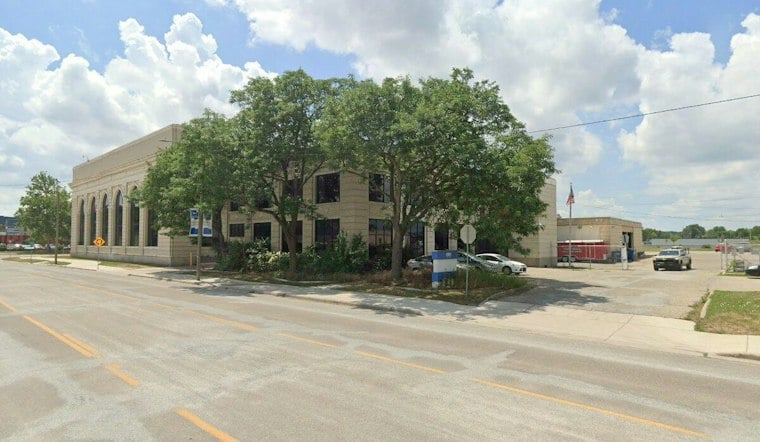
Grand Rapids is looking for a development partner to transform 6.4 acres of city-owned land along the Grand River in the River North neighborhood, a stretch of Monroe Avenue NW property that currently holds little more than offices, parking lots and a century-old pump station. The city wants a dense, walkable, mixed-use project with housing, commercial space and public riverfront access built into the plan from the start.
The site includes three adjacent parcels at 1101, 1165 and 1120 Monroe Ave. NW near Coldbrook Street, according to MLive.com. Grand Rapids issued a request for qualifications for the property on Oct. 7, and the city is giving developers until Nov. 16 to respond, per Grand Rapids Magazine. Whoever is chosen will spend roughly a year on due diligence, community engagement and master planning before any final redevelopment proposal takes shape, the report notes.
The properties today serve mostly administrative, storage and parking functions, as WOODTV.com reports. The 1101 Monroe Ave. parcel is the former Coldbrook pumping station, which recently housed Parks and Recreation, water-system and fire department operations, while the 1165 Monroe Ave. site is used primarily for storage and parking. The fire department expects to move its training operations to a new facility by June 2027, clearing the way for that piece of the puzzle to move forward.
A Historic Pump Station in the Mix
The Coldbrook pumping station dates to 1911 and once ran the city's water pumping and electric lighting operations before it was decommissioned in 2022, Grand Rapids Magazine reports. At roughly 58,600 square feet, the structure is a sizable piece of the site, and Grand Rapids hopes to preserve about 25,000 square feet of its historic portions along Coldbrook Street and Monroe Avenue, asking prospective developers to consider incorporating the pump station's façade into whatever gets built. The 1120 Monroe Ave. parcel, known as the Development Center, currently houses permit, planning and zoning, code compliance and inspection services along with offices for more than 100 city employees. That building was included in the search specifically so development partners can assess whether it should remain in place, be folded into redevelopment, or relocate elsewhere.
The city's priorities go beyond just housing. Grand Rapids wants local and minority-owned businesses involved, public waterfront access built in, improved pedestrian and bicycle connectivity, and attention paid to environmental sustainability and long-term economic viability. Any development must also offer a diverse mix of housing types, with at least 20% of units considered affordable, averaging a minimum residential density of 40 units per acre across the three parcels combined.
Density, Height and Affordability Targets
Buildings on the site could rise up to five stories without special approval, or as high as seven stories if certain requirements are met, according to the same report. At least 20% of homes would need to be affordable to households earning up to 100% of area median income — which the Michigan State Housing Development Authority sets at $85,300 for a two-person household. City economic development director Sarah Rainero said the project is an opportunity to add vibrancy, access and amenities to the riverfront, and told the outlet that the two riverfront parcels are the city's priority among the three. She also said several firms have already expressed interest in touring the site since the RFQ was issued.
Grand Rapids Mayor David LaGrand said he expects the property to draw developer interest because riverfront land in the area is limited and other River North investments are already underway. LaGrand said proposals should be evaluated based on how they strengthen River North as a neighborhood, rather than simply on scale or dollar figures.
Riding a Wave of River North Investment
River North, once known as the Monroe North business district, stretches along Monroe Avenue between I-196 and Leonard Street, bordered by the Grand River and Belknap Hill. The neighborhood has shifted from an industrial corridor into a mixed-use district just north of downtown, now home to apartments, a hotel, restaurants, an improved riverfront park and employers such as Corewell Health, which opened its $110 million headquarters there in 2024 and draws up to 2,000 employees on its busiest days, according to MLive.com. Since 2019, Corewell Health has spent about $63.9 million acquiring at least 19 properties covering nearly 12 acres in the neighborhood, the outlet reports, though that growth has also stirred concerns about rising rents and the effect of high-rise development on surrounding blocks.
Other recent projects in the area include the 16-story 601 Bond apartment tower, which opened in 2019 with more than 200 units overlooking the river and downtown, and the $60 million Embassy Suites hotel that added 250 rooms along Monroe Avenue the same year. Developer Jay Johnson proposed a $185 million River North project in August 2026 featuring a 20-story apartment tower, a six-story hotel and a nine-story parking garage with retail and a rooftop amenity deck, the outlet's report states. Altogether, an estimated $1.3 billion in public and private investment is planned or underway along and near the Grand River citywide.
What Happens After the RFQ
The firm Grand Rapids ultimately selects will conduct environmental reviews, market analysis, community engagement and master planning before any final redevelopment proposal is drafted, assessing soil conditions, infrastructure, financing and development possibilities for the site. The city will pay that firm a negotiated fee and retain the studies and information produced along the way. The Grand Rapids City Commission is expected to choose a partner in December 2026 or January 2027, with a professional-services agreement potentially beginning in January or February 2027 and the planning process itself running 12 months.
Only after that work wraps up will the city decide whether to sell the property for redevelopment, and the selected development partner would have a right of first refusal. Mark Secchia, president of the River North Business Association, said neighborhood businesses want to see underused land replaced by development that attracts more people to the area. Greg McNeilly, a Downtown Development Authority board member and president and CEO of The Windquest Group, encouraged private, taxpaying development on the site, noting that nonprofits such as museums, health care providers and educational institutions generally do not pay property taxes, which he said are the primary funding source for the downtown development authority.



