

























































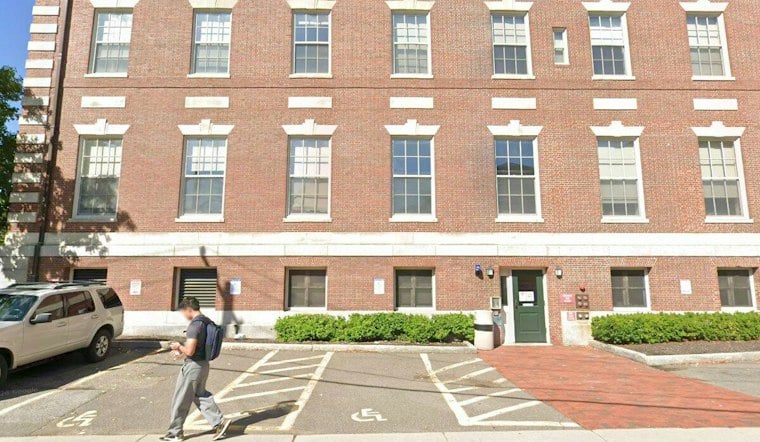
Harvard University dining workers voted overwhelmingly on Tuesday to authorize a strike, with 89 percent of those who cast ballots backing the move after months without a contract. The vote tally was lopsided: 548 workers in favor, 67 against, and two spoiled ballots. More than 800 dining workers now have the green light for a walkout that could begin at any time, even as the university's endowment sits at $68 billion.
The vote, reported by The Harvard Crimson, caps a stretch of frustration for the roughly 580 food service workers represented by UNITE HERE Local 26, who have gone without a contract since June 19, when their previous agreement expired. The union says it is pressing three core demands: higher wages, affordable health care, and income during the summer, when dining operations slow as students leave campus and many workers cannot collect state unemployment benefits despite being technically employed year-round. Harvard employees serve roughly 5 million meals a year across the university, according to Harvard Human Resources.
Wages Lag Behind MIT and Northeastern
Full-time Harvard dining workers earn a little more than $30 an hour, translating to roughly $45,639 a year, while part-time workers earn about $18,255 annually, according to the union's figures as reported by The Boston Globe. The union says that falls short of what counterparts make elsewhere in the area: MIT dining workers reportedly earn $5 more per hour than their Harvard counterparts, and Northeastern University workers earn roughly $1 more per hour, per the union. The Harvard Independent has separately reported that MIT dishwashers, among the lowest-paid dining positions, make $33 an hour, while Boston University food service workers earn $26.86 an hour.
Northeastern's dining hall workers, who ratified what was described as the most lucrative contract in Local 26's history, were expected to see wages climb to roughly $30 an hour this year under a deal reported by The Boston Globe, which noted their pay was expected to match what Local 26 workers make at both Harvard and MIT. It's a comparison dining workers at Harvard have leaned on throughout bargaining, with the Independent noting that the workers largely just want a contract on par with MIT.
Union Leader Points to Endowment Growth
Union president Carlos Aramayo framed the fight in stark terms, saying workers sought a contract they could build a life on while Harvard added more than $10 billion to its endowment. Harvard's endowment grew by more than $11 billion over the past year and rose 20 percent in value, reaching $68 billion as of June 30, according to Harvard Management Company, which also reports the endowment has generated roughly an 11 percent annualized return since the company's founding. Endowment distributions provided nearly 40 percent of the university's operating revenue in fiscal year 2026, per the same source, even as Harvard has cut costs across operations, trimmed staff, and filled fewer open positions across all 12 schools.
Dining worker Michelle Sammon put a more personal face on the demands, saying she works seven days a week to keep up with rising prices and has no day left to take her children apple picking. She added that workers should not have to choose between the children they feed at work and the children they raise at home. More than 1,000 Harvard College students signed a petition in September calling on the university to reach a fair contract with dining workers, as the Crimson reported.
Harvard Calls the Vote Unwarranted
Harvard has pushed back on the union's framing, calling the strike authorization vote unwarranted in a statement to the Globe. University spokesperson Jason Newton said Harvard remains committed to reaching a contract agreement beneficial to all. Harvard has offered dining workers an 18.7 percent wage increase over six years and says it ended the year with a $100 million surplus.
Per Harvard Human Resources, the university and the union have held nine bargaining sessions since talks began in March, and on October 5 Harvard proposed that both sides participate in free mediation through the Federal Mediation and Conciliation Service, a step the university said would require mutual agreement. A later university wage proposal described total wage growth of 18.65 percent, averaging 3.11 percent annually, and Harvard also proposed raising the share of full-time dining positions to 70 percent through attrition and mutually agreed consolidation of part-time roles. Aramayo said simply that Harvard will be judged by its actions.
A Campus Already Bracing for More Walkouts
Dining workers last went on strike in October 2016, a walkout that stretched 22 days before a deal was reached establishing a $35,000 minimum annual income for full-time workers, according to Harvard Magazine. Under its current contract structure, Local 26 has the authority to call a strike at any moment now that the authorization has passed.
The dining workers' vote lands amid a broader wave of labor unrest at Harvard. The university's graduate student union, representing more than 6,500 academic workers affiliated with the UAW, has set an October 27 strike deadline if no contract is reached, according to the Crimson, after a previous six-week strike this year ended without an agreement and a prior walkout halted work for 40 days in the spring. Harvard's non-tenured staff, meanwhile, voted to authorize their own strike in July and have set a November 10 deadline. Staffing pressures are not unique to Harvard: a Boston Globe report on Boston-area college dining halls found workers describing heavier workloads, longer hours, and fewer breaks amid staffing shortages, a dynamic the Independent noted Harvard employees have been weighing as they consider a strike of their own.



