

























































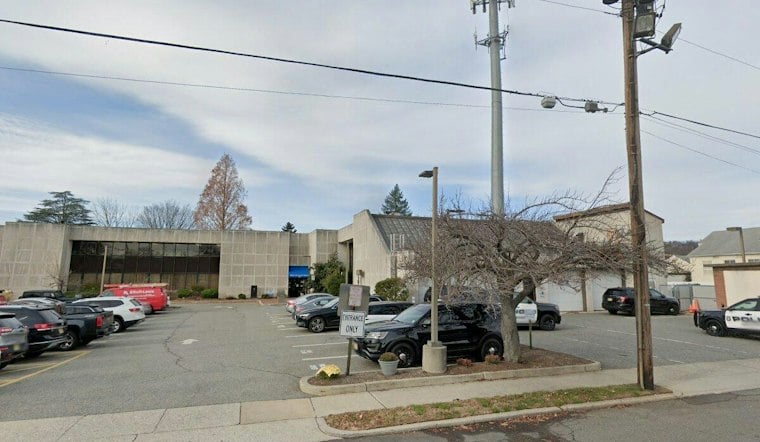
Hawthorne is moving to shut down a growing problem hiding in plain sight: basements and attics quietly converted into separate apartments without permits or safety inspections. The Borough Council unanimously introduced Ordinance 2401-26 on October 21, setting up a public hearing and final vote for November 16 at 7 p.m. in the municipal building.
The proposal would update the borough's zoning regulations governing residential space, giving building and zoning officials another tool to address properties that have been illegally converted into multiple apartments, according to TAPinto Hawthorne. Hawthorne officials have identified illegal basement apartments, attic apartments, and homes divided into separate living spaces as ongoing enforcement concerns, and the borough already prohibits unauthorized residential units. Council President Frank Matthews said the proposed changes would help prevent unauthorized residential units before they are even created.
What the Ordinance Would and Wouldn't Do
Borough officials have tried to draw a clear line between what the ordinance targets and what it leaves alone. Finished basements used by family members or guests are not automatically a problem, and sleeping in a basement is not automatically prohibited, per the same report. The borough's real concern, officials say, is conversion into a separate rental unit — not simply whether a basement or attic has been finished.
Borough Attorney Michael Pasquale told the council the ordinance addresses future work rather than forcing homeowners to tear out legally installed improvements. He said validly existing kitchens, bathrooms, and other legally existing features may remain in place, and officials have assured homeowners that lawful improvements won't have to be removed. Pasquale also made clear that basements and attics still may not be rented out as separate units, and any finished basement sleeping area must meet applicable safety requirements, including emergency exits where required.
A Councilman's Questions About Longtime Homeowners
Not every council member was satisfied the plan draws that line cleanly. Councilman Bruce Bennett questioned how the ordinance would affect longtime homeowners who already have finished basement spaces, noting that some Hawthorne homes have had kitchens, bathrooms, or other finished basement features for decades. Bennett pointed out that some property owners, in his view, could have obtained permits for those improvements decades earlier, a point the article attributes directly to him rather than to borough officials.
Residents will get a chance to weigh in before any final decision is made. Hawthorne residents may comment at the November 16 hearing before the council votes on whether to adopt the ordinance.
How Other New Jersey Towns Are Handling the Same Problem
Hawthorne isn't alone in confronting illegal basement living arrangements. East Orange launched its S.O.S. initiative earlier this year to target unsafe illegal apartments while helping landlords bring units into compliance, a program that nj.com reported responds to the growing number of illegal basement apartments and recent regional tragedies involving fires and flooding in below-grade dwellings. East Orange's code inspectors shut down more than two dozen illegal basement units in 2025 alone, according to the outlet.
Under Hawthorne's existing housing standards, the borough's Housing Officer is authorized to inspect dwellings, dwelling units, rooming units, and their premises at reasonable times, per the Borough of Hawthorne code. The borough measures whether a dwelling is safe, sanitary, and fit for habitation or rental against the New Jersey State Housing Code. Someone affected by an enforcement notice can request a hearing before the Municipal Council by filing a written petition within 10 days of being served, and violations can carry a fine of up to $2,000, up to 90 days of imprisonment, or up to 90 days of community service under that code.
The push to regulate below-grade and attic living space isn't new to the region, either. Decades ago, Garfield's City Council made illegal apartments a high priority, tripling the number of staff hours devoted to housing inspections and imposing stiffer penalties on landlords caught secretly subdividing their homes, according to a 1994 report from The New York Times. Hawthorne's council will decide on November 16 whether its own version of that long-running fight becomes law.





