

























































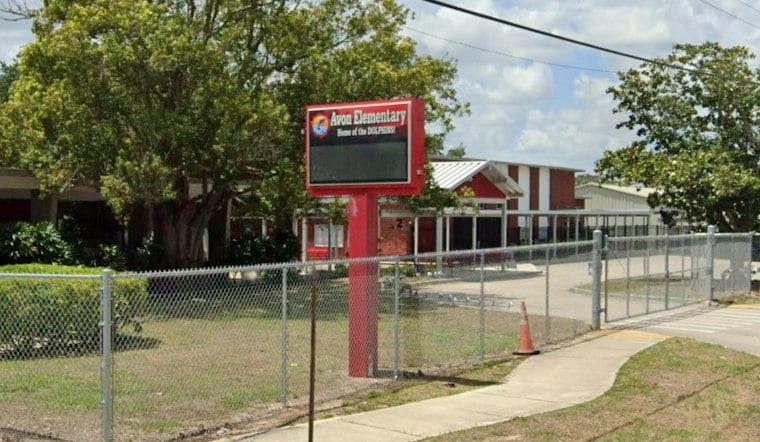
Teachers in Highlands County, Florida, stood before their school board Thursday and pleaded for one thing: don't close their schools. The district is staring down its most severe financial emergency since the 1980s, according to district financial advisor Joseph Poirier, and Avon Elementary School has emerged as a focal point of fear for families and staff bracing for possible consolidation.
Fatima Ramirez, a third-grade teacher, told the board that children, especially immigrant children, are frightened their neighborhood school could close, as WGCU reported. She said rumors of closure and comments made by people in high positions frighten both the children and her. Avon Elementary is among the schools facing possible consolidation.
A Budget Hole Years in the Making
The school board has made no decision on closing schools as a cost-saving measure, per the same WGCU account, but the numbers on the table are stark. Consolidating two elementary schools could save about $1.5 million in the coming year, not including additional transportation costs for affected students. Merging elementary schools or redistributing middle school students elsewhere could save roughly $1 million, the station's report notes.
The district has already cut $11 million from its budget over the last two years, and board members asked the superintendent to come back with more cost-cutting options rather than settle on closures. Thursday's meeting was expected to be the current board's last on these matters before three new school board members are sworn in next month.
Borrowing Just to Make Payroll
The fiscal strain is severe enough that the district recently borrowed $9 million from Seacoast Bank through a short-term tax anticipation note just to meet monthly payroll and operational liabilities, incurring $34,500 in closing fees and more than $100,000 in interest expenses, according to Education Slice. Poirier warned that failing to execute budget cuts could force the district into state receivership.
Florida law addresses district fund balances and recovery planning. Those issues are part of the district's financial challenges.
Credit Downgrades Pile Up
S&P Global Ratings downgraded the district's Certificates of Participation in September, citing three consecutive years of negative operating results that pulled reserves below the district's internal 4 percent policy target. S&P also noted declining enrollment, school-choice options, and rising health insurance costs, according to S&P Global Ratings.
State lawmakers introduced SB 318 during the 2026 legislative session to create a dedicated funding stream for the Family Empowerment Scholarship program and appropriate $250 million to cover statewide cost overruns tied to expanding private school voucher usage, per FutureEd. Scholarship outflows have also affected districts such as Highlands County.
Cuts Beyond the Classroom
District administrators have also floated a non-closure cost reduction plan estimated to save $2.6 million by placing 12-month non-bargaining staff on a 251-day flex calendar, shortening assistant principal contracts by 10 days, converting some content-area specialists to teacher contracts, and redistributing coaches, according to Citizen Portal.
Highlands County Education Association President Shonda Zimmerman formally requested in October that union representatives be included in district budget planning, advocating for clearer communication about staff adjustments after the $11 million in cuts over the past two years, per Ballotpedia. Calendar adjustments and contract changes are among the district's proposed budget measures.
For now, the board has settled on nothing permanent. Superintendent-directed options remain under review, and the incoming board members set to be sworn in next month will inherit a budget fight that teachers like Ramirez say is already taking a toll on students who just want reassurance their school isn't going anywhere.



