

























































HOURCAR shut down for good at noon on October 15, cutting off car access for more than 4,000 active members across Minneapolis and St. Paul who relied on its neighborhood hubs instead of owning a vehicle. The nonprofit carshare service, along with its Evie Carshare electric vehicles, simply stopped being available to riders that day, leaving people like Connor Nelson of St. Anthony Park improvising rides with U-Hauls, Ubers and borrowed cars from family.
A Two-Decade Service Ends Abruptly
HOURCAR's board of directors voted to sunset operations, pointing to financial pressure that had been building for months. According to HOURCAR, the nonprofit faced significant increases in vehicle insurance costs, rising operating expenses, and reductions in anticipated federal support, leaving it with an immediate funding gap of roughly $625,000. The organization had grown substantially since it launched two decades earlier with just six Priuses and 20 users, according to the Minnesota Star Tribune, eventually operating a fleet of more than 250 cars that completed 740,000 trips and carried a $5.5 million operating budget against a reported $1.1 million deficit in 2026.
HOURCAR's board wrote to users on October 8 that outreach efforts to find emergency funding had been unsuccessful, the Star Tribune reports, even after Minneapolis and St. Paul had already stepped in with emergency funding to keep the service running. Evie cars became unavailable to the public after October 15 because HOURCAR operated that carshare program on behalf of the two cities, per HOURCAR's own announcement. The EV charging infrastructure itself was spared, since Minneapolis and St. Paul own and operate those chargers independently of HOURCAR.
One Rider's 232-Mile Workaround
Nelson has gone eight years without owning a car, relying on buses, biking and HOURCAR since 2019, when his Volkswagen's transmission failed and he had paid off only about half the loan, according to the Star Tribune. He had already bought tickets to a concert in Lake City for the day after HOURCAR's shutdown. When he tried to rent a U-Haul van instead, estimating the trip would cost about $200, he found none available that day.
Nelson ended up driving a box truck on a 232-mile triangle route from the Twin Cities to Lake City and into Wisconsin, and owed U-Haul more than $400 by the time the trip was over, the Star Tribune reports. Frustrated, he floated a private car-share arrangement among friends involving a shared vehicle, user agreements, an advance booking calendar and a lawyer, and solicited other HOURCAR users on Reddit to join. Commenters on that thread warned him that insurance companies would not allow the kind of informal arrangement he was proposing, according to the Star Tribune's reporting. Nelson, who plans to travel to Paris next month, said he intends to put off deciding on his car-sharing plan until he returns, telling the Star Tribune he would buy a hybrid and start his own booking calendar if nothing had changed by then.
Who Relied on HOURCAR Most
The shutdown hit hardest among riders who depended on carshare for essential trips rather than convenience. About 41% of HOURCAR trips were for medical appointments, and nearly half were made by people with low incomes, according to the Star Tribune's earlier reporting on the program. Separately, Our Streets Minnesota reports that 42% of users identified as people of color and 46% identified as low-income, underscoring how central the service had become for residents without easy access to a personal vehicle that, on average, costs more than $12,000 a year to own.
In 2025 alone, Evie Carshare saved its users an estimated $14.2 million compared with the cost of owning a personal vehicle, and the combined HOURCAR and Evie fleets reduced greenhouse gas emissions by more than 7,600 tons that year, per the same Our Streets account. After the shutdown, the Evie and HOURCAR vehicles were being stored in a lot in St. Paul while staff had been laid off, and roughly 10 million rows of anonymized trip, vehicle and financial records were transferred to the University of Minnesota's Center for Transportation Studies, Our Streets reports.
Pledges, a Rally and a Bill for 2027
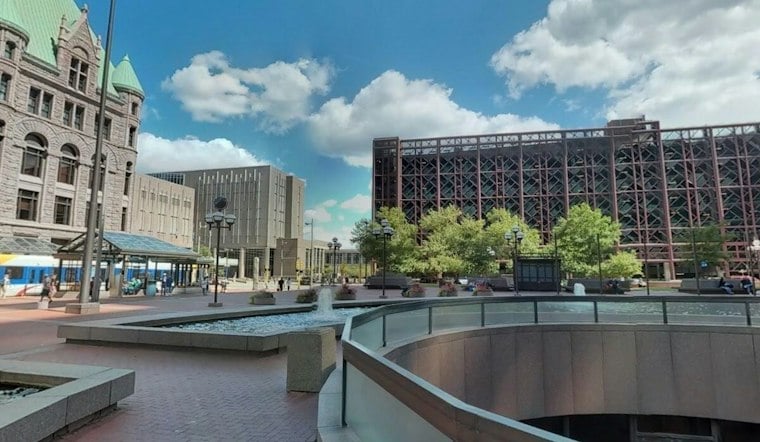
HOURCAR users and former employees have organized under the name Neighbors for Community Carshare, gathering pledges from 151 people totaling about $100,000 in an effort to keep some version of the service alive, according to the Star Tribune. Members also rallied at Minneapolis government plaza and are pitching legislation aimed at preserving car sharing in the Twin Cities.
Minnesota Rep. Katie Jones has said she plans to introduce a bill that would let Metro Transit take over HOURCAR's operations or compel it to do so, with government funding to run the fleet. The Minnesota Legislature is expected to debate that bill in January 2027. Jones told the Star Tribune that six entities, including local governments and foundations, have expressed interest in providing interim funding, though nothing has been finalized.
In the meantime, riders have limited existing options. Metro Transit operates a limited ride-sharing program, and the Metropolitan Council and Metro Transit separately run Metro micro, an on-demand service for areas not well served by traditional transit, according to Our Streets. Outside the Twin Cities, Maple Grove's MyRide curb-to-curb shared ride service expanded to serve Plymouth on July 1 and already connects Maple Grove to Brooklyn Park, Brooklyn Center, Osseo and the Robbinsdale Transit Center, the Star Tribune has reported.
A Regional Push to Rebuild Carshare
MJ Carpio, executive director of Move Minnesota, which advocates for alternatives to car transportation, said a car-free life had started to feel genuinely possible even in a sprawling metro area before HOURCAR's collapse. The loss comes despite years of regional planning aimed at the opposite outcome: the Metropolitan Council's 2017 Shared Mobility Action Plan called for stabilizing and expanding carshare, setting a goal of sustaining 600 vehicles through a reintroduced one-way model, continued growth of existing operators, and new public-private partnerships, according to Metropolitan Council records.
That growth had, for a time, materialized. The number of carsharing vehicles in the seven-county metro area tripled to more than 300 between 2017 and 2021, even as the number of registered personal vehicles in the region declined 11.9% over the same period, according to the University of Minnesota's Center for Transportation Studies. The Minnesota Shared Mobility Collaborative has flagged securing stable non-federal funding and adopting a regional, public-transportation-centered approach as persistent challenges for programs like HOURCAR, while also pointing to potential for expanded shared mobility in rural areas and smaller cities.
For now, Nelson said he is not sure what comes next for people like him who built their lives around not owning a car. “Nobody knows how to dream these days,” he told the Star Tribune, adding that he does not know when to give up hope that some version of HOURCAR might return.





