

























































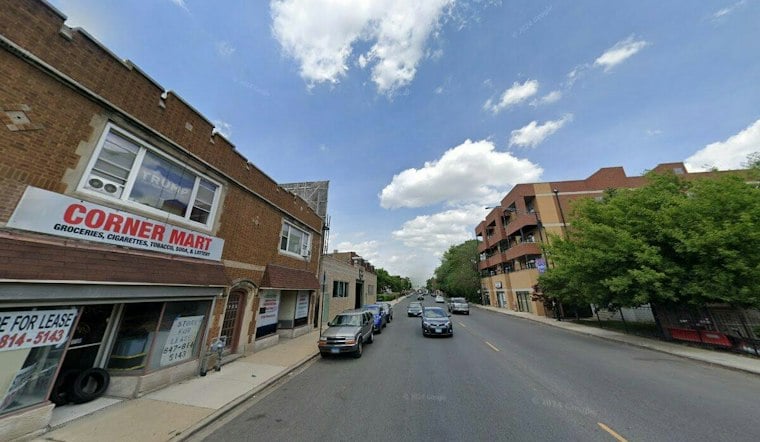
The Irving Park Community Food Pantry is leaving the church basement it has called home since 2019 for a new, purpose-built facility on Pulaski Road, a move organizers say is overdue after demand for its services jumped 66 percent between 2021 and 2025. The pantry currently serves about 100 households every week out of Emanuel United Methodist Church at 4256 N. Ridgeway Ave., but executive director John Psiharis says the space simply can't keep up anymore.
According to Block Club Chicago, the pantry launched a capital campaign in January 2025 and has since raised more than $1.5 million toward the new building's roughly $4.05 million estimated cost, with plans to raise an additional $255,000 by early December. The project includes a $1 million city grant and a $400,000 state grant, and Psiharis said the community's support for the campaign has been overwhelming. That city funding traces back to a $1 million Community Development Grant the City of Chicago awarded to Neighbors Helping Neighbors for 4111-13 N. Pulaski Road in May 2025, financed in part through proceeds from Mayor Brandon Johnson's Housing and Economic Development Bond, according to the City of Chicago.
A Permanent Home After Decades of Temporary Leases
The new building, going up at 4111-13 N. Pulaski Road, is being constructed in partnership with Irving Park Lutheran Church, which owns the property, the station's report notes. The pantry has secured a lease running more than 30 years, with its capital contribution credited as prepaid rent.
Psiharis said the pantry is excited to finally have a building that works for it after 42 years spent operating out of church basements, per the same account. The pantry has worked on Chicago's Northwest Side since 1984.
Grocery-Store Layout, More Space, More Hours
At 4,500 square feet, the new facility is planned to provide a grocery-store experience where clients can choose their food. The building will also include a walk-in refrigerated space, private rooms for helping clients apply for SNAP and other assistance programs, an area for winter coat drives, an expanded waiting area, and full ADA accessibility.
The more central, transit-accessible location is expected to let the pantry expand both its regular hours and its customer base, and to ramp up hours during crises — something organizers pointed to directly during the federal government shutdown the previous fall, which drove increased demand from TSA workers and other furloughed federal employees. The expansion will also fund additional food purchases, solar panels, and a newly created director of development position meant to help secure more sustainable funding going forward. The pantry currently relies on just the full-time equivalent of 1.5 employees.
Need Far Outpaces What One Pantry Can Reach
Even with the expansion, the numbers suggest the new building will only begin to close a much larger gap. In 2025, the pantry recorded 18,104 annual visits and says it served 20 percent of those in need — described in its capital campaign materials as neighbors struggling with poverty. The pantry specifically serves households in the 60618 and 60641 ZIP codes, offering monthly emergency food packages, social service referrals, and pet food for clients who rely on it.
That local shortfall mirrors a citywide trend. A study released in September 2026 by the Greater Chicago Food Depository and NORC at the University of Chicago found that 36% of Chicago households — roughly 417,000 households — experience food insecurity, with 27% of Northwest Side households affected, as reported by WTTW News. WTTW also reported that Cook County SNAP enrollment dropped 23% following federal policy changes in mid-2025 that expanded work reporting requirements, removing nearly 196,000 residents from public food assistance — a shift that tracks with the rising grocery costs and federal SNAP cuts that organizers say are driving more families to the pantry's doors.
Statewide, the squeeze has been similarly steep. Illinois SNAP enrollment shrank 16% year-over-year as of June 2026, dropping total coverage to 1.6 million residents even as food prices stayed high, according to the Chicago Crusader.
Timeline for the Move
The pantry is currently open 9 a.m. to noon on Wednesdays and 6 to 7 p.m. on the second Tuesday of each month. Organizers hope to break ground on the new Pulaski Road building in February and plan to move into the finished space sometime next fall.



