

























































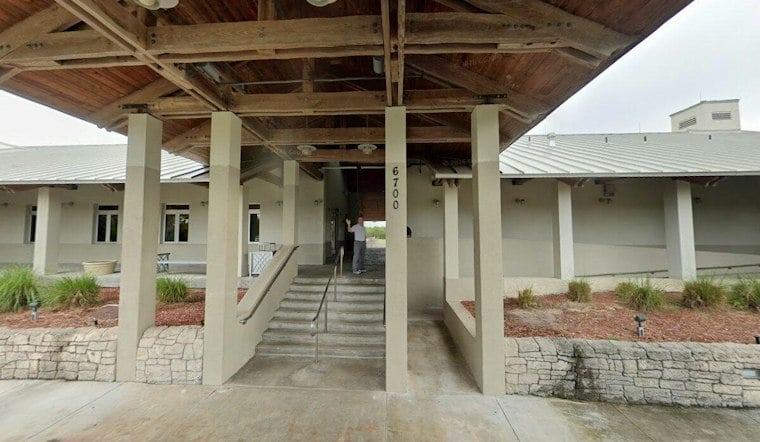
A group of private backers wants to hire golf legend Jack Nicklaus to redesign the public Crandon Golf Course on Key Biscayne, part of an $80 million proposal that would also overhaul the park's aging tennis complex with new pickleball and padel courts. The plan calls for elevating the golf course playing area by several feet to guard against surge flooding and cut down on runoff into Biscayne Bay, and it would replace the current clubhouse with a three-story building featuring an observation deck, a bar, a restaurant, locker rooms and verandas.
The proposal, first reported by the Miami Herald, remains in the planning stage, with organizer Andres Gaviria and attorney Eugene Stearns meeting with government officials and others to build support. Gaviria has described the project as a gift to the public, telling the Herald the redesigned course would be built for everyday residents rather than any private club. Stearns, who is leading the promotional push, has said the existing course actually harms the environment and argued the new layout would be among the finest golf courses in the country.
Any major change to Crandon Park's layout has to clear a legal hurdle that long predates this proposal. The 900 acres that make up the park were donated to Miami-Dade County in 1940 by the heirs of Commodore William John Matheson, under a deed covenant requiring the land be used “for public park purposes only,” according to court records examined by FindLaw. A 1993 settlement between the county and the Matheson family created the Crandon Park Master Plan and a four-member amendment committee, including Matheson family representation, that must approve any major physical or operational changes to the park, Miami Today has reported.
A Familiar Lawyer, A Familiar Fight
Stearns's involvement carries its own history. He previously represented the company that ran the Miami Open in its unsuccessful, multi-year legal campaign to expand the Crandon Park Tennis Center, a fight that ended with the tournament relocating to Hard Rock Stadium in 2019 after courts upheld the Master Plan's restrictions. Tournament organizers had warned back in 2014 that blocking their proposed $50 million tennis center expansion would push the event out of Miami — a warning that proved accurate. The Master Plan panel's veto-like authority, strengthened by Matheson family representation, means any new structural addition, from elevated golf grounds to pickleball courts to a three-story clubhouse, will face scrutiny over whether it violates the park's non-commercial, public-use mandate.
The county has navigated that same process before. In March 2023, the Miami-Dade Board of County Commissioners voted 12-0 to seek a Master Plan amendment allowing pickleball at the tennis complex, a resolution sponsored by Commissioner Raquel Regalado to meet growing demand, sending that request to the same four-member committee for sign-off, per Miami Today. Regalado, discussing the new golf and racquet proposal, has said golf would remain available to everyday residents and visitors, that donors would receive no special benefit, and that prices would not increase.
What Would Actually Get Built
Under the plan, the existing 37 tennis courts and 14,000-seat tennis stadium would give way to a new racquet-sports area with 27 tennis courts, eight pickleball courts and eight padel courts. Miami-Dade would continue managing both the golf facility and the racquet center, though the golf course's day-to-day grounds crews would come from a private entity under a separate maintenance arrangement, funded by revenue the upgraded course generates. Gaviria and Stearns have both said donors would receive no special access to the facilities.
The upgraded Crandon Park would likely offer a higher-priced patron card beyond the county's existing $400-per-year option, potentially providing earlier tee-time access — perhaps as much as three weeks in advance, though organizers have stressed it would not function as a membership. Gaviria and Stearns have declined to name potential donors, though backers have courted Ken Griffin, the billionaire hedge-fund manager who lives in Miami. Griffin announced a $3 billion gift to Carnegie Mellon University in September, including $2 billion toward a new 35-acre campus in Wynwood set to begin enrolling students in 2028, according to Carnegie Mellon University, the largest individual gift in American higher education history.
Not the First Time Someone Wanted In
This isn't the first attempt to reshape Crandon's golf operation. Back in 2014, Donald Trump offered $10 million for a course upgrade, but Miami-Dade commissioners rejected his management plan because it would have handed his Doral golf resort control of Crandon's tee times and revenue, per the Herald's reporting. Organizers of the current effort say there is no golf-related enterprise behind this proposal, distinguishing it from Trump's bid; Stearns has said simply that this plan is for a public park.
The effort has quietly been underway for several years. Former Key Biscayne Mayor Mike Davey met with Nicklaus about the proposal while in office and continues to support it after leaving office in 2022. Nicklaus has already provided a preliminary design for the proposed course, which opened in September 1972 as the Key Biscayne Golf Course, designed by architects Robert von Hagge and Bruce Devlin, and received a $1.5 million layout renovation after Hurricane Andrew in 1993, according to The Florida Golf Course Seeker. The course hosted the PGA Senior Tour's Royal Caribbean Classic from 1987 to 2004 and remains the only public golf course sitting directly on Biscayne Bay, its seven saltwater lakes and tropical vegetation lining the shore.
The park's northern end also includes the Bear Cut Preserve, designated a National Environmental Study Area by the U.S. Department of the Interior for its coastal hammock and marine ecosystems, according to Citizens for Park Improvement. Crandon Park currently generates surplus dollars for the Miami-Dade parks system overall, and backers argue the private upgrade would give county residents access to a top-tier golf course without new public cost. Whether that argument, and the design Nicklaus has already sketched, can clear the same Master Plan committee that blocked the tennis center expansion remains the open question hanging over the project.


