

























































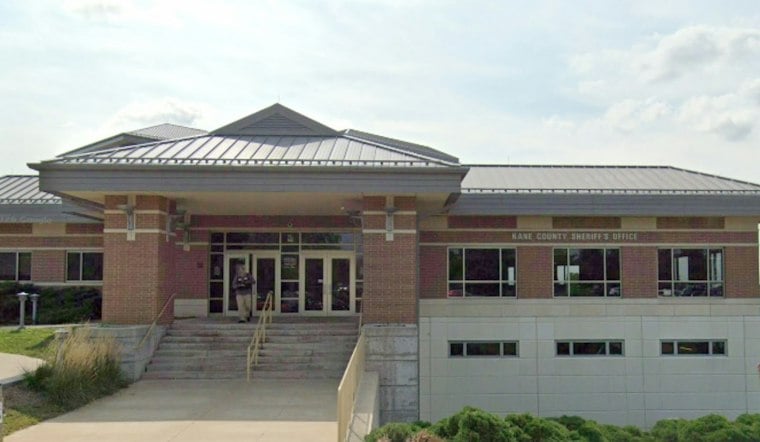
Five Flock Safety license plate readers are coming down from the Mill Creek subdivision west of Geneva and Batavia, after the community's advisory board voted this week to demand their removal. The Kane County Sheriff's Office agreed to remove the cameras, making the sprawling 2,100-acre neighborhood the first unincorporated area in the county to successfully push out the automated surveillance technology.
The Mill Creek Special Service Area Advisory Board cast its vote on Monday, asking the Kane County Sheriff's Office to remove all five of the cameras operating in the community, according to the Daily Herald. The subdivision includes roughly 3,150 single-family homes and sits in unincorporated Kane County. As CBS News reports, neighbors had demanded police take down the cameras, which have become a flashpoint in debates over warrantless tracking in residential areas.
A Wave of Vandalism Preceded the Vote
The board's decision didn't come out of nowhere. Multiple Flock cameras in Mill Creek and elsewhere in Kane County were vandalized earlier in the year, and the phrase “DeFlock!” was painted nearby, the Daily Herald reported. The Daily Herald described the phrase as a reference to Flock Safety.
The Kane County Sheriff's Office agreed to the removal while defending the technology's value. Per Shaw Local, the office said ALPR technology remains an effective crime-fighting tool and acknowledged community concerns.
A Countywide Network Under Scrutiny
Mill Creek's five cameras are a small slice of a much larger operation. The Kane County Sheriff's Office runs 25 Flock ALPR cameras countywide, and its public transparency portal shows those cameras logged 450,242 unique license plate hits over a recent 30-day stretch, according to the Daily Herald.
The timing of the camera removal is notable. It coincided with DuPage County prosecutors announcing grand jury indictments on Monday against two former suburban police officers from Itasca and West Chicago, who face felony official misconduct and computer tampering charges tied to unauthorized Flock database searches, according to the DuPage County State's Attorney's Office. One of the former officers faces 13 felony counts tied to improper plate queries conducted between June 2025 and May 2026.
Part of a Broader Suburban Pullback
Mill Creek is hardly alone in reconsidering ALPR networks. Hoodline previously reported that Bartlett let its contract for seven Flock cameras expire in July over corporate safeguard concerns. That move, together with Mill Creek's vote, points to a broader suburban Chicago reassessment of automated surveillance that extends well beyond Kane County.
Flock has said more than 90% of non-full-plate searches occur within seven days of logging.
Federal and State Pressure Builds
Washington is weighing in too. In September, U.S. Representatives Raja Krishnamoorthi, an Illinois Democrat, and Michael Cloud, a Texas Republican, introduced the bipartisan No FLOCK Act, which would withhold 10% of federal surface transportation funding from states that fail to limit ALPR use to five specific public safety and tolling exceptions. Hoodline covered the bill's introduction after it followed national reports of officers misusing ALPR data for personal tracking.
Illinois has its own history with the technology. ALPRs expanded rapidly across the state following the 2019 fatal shooting of U.S. Postal Service worker Tamara Clayton on Interstate 57, according to Capitol News Illinois. But a 2025 state audit found that Flock had violated guidelines by allowing federal immigration authorities access to Illinois plate logs, even as lawmakers extended the state's expressway ALPR program through July 2028. For Mill Creek residents, those statewide tensions over oversight and access likely added weight to a decision that was, in the end, a local one: whether cameras belonged on their streets at all.



