

























































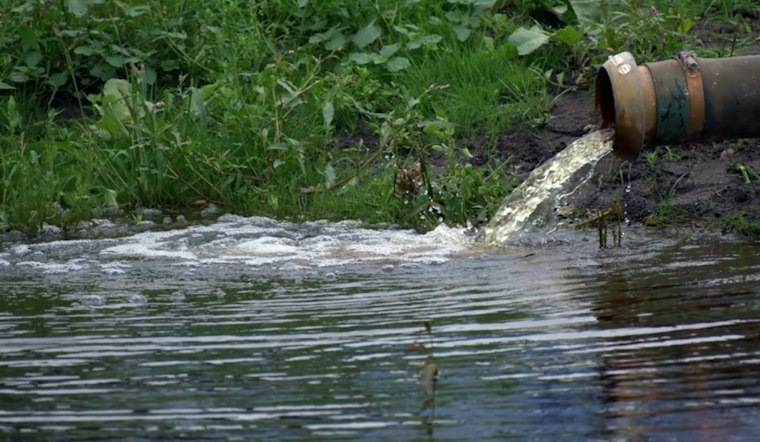
A crew member at the McDonald's on Route 9 in Latham dumped a full container of cooking oil and grease into the stormwater system instead of arranging for proper pickup, triggering a town cleanup order and an ongoing state investigation. The incident came to light after a customer in the restaurant's parking lot captured photos of the dumping and reported it to the state Department of Environmental Conservation.
Colonie Town Supervisor Peter Crummey confirmed the crew member dumped grease into the stormwater system, calling it harmful to the environment and inappropriate for that system, according to WRGB. The grease flows into the town's stormwater system and then into the state system running along Route 9, the station reported. Town officials say the property owner must remedy all of the dumped waste and prove to the town through an inspection that remediation has taken place.
How the Dumping Was Discovered
The station's report notes that a customer in the Route 9 McDonald's parking lot photographed the dumping and alerted the DEC, setting the investigation in motion. A McDonald's area supervisor told the outlet that the container was full of grease and that the crew member dumped it rather than calling the 1-800 number used to schedule pickup. The same supervisor said someone was hired to begin cleaning up the waste the following Monday.
Per the same account, contaminated liquid waste including grease is supposed to be disposed of through the sanitary sewer system, which routes waste to a wastewater treatment plant before any discharge. The Latham McDonald's does have toilets and sinks connected to that sanitary sewer system, unlike the stormwater drains the grease ended up in.
Minimal Impact So Far, DEC Still Investigating
Colonie officials described current environmental impacts as minimal and said the incident does not pose an immediate threat to public health. Even so, the DEC's investigation remains ongoing, and the station reported that town officials can pursue judicial action if the waste is not cleaned up. The DEC operates a 24/7 spill-reporting dispatch at 1-844-DEC-ECOS for anyone who witnesses similar incidents.
State environmental guidance helps explain why officials are treating the case seriously even at a small scale. The New York State Department of Environmental Conservation notes that oil and grease from spills can create sheen and odor and make it harder for aquatic organisms to access oxygen. Separate state stormwater design guidance warns that trash and debris entering these systems can raise organic matter or toxic contaminants in the water bodies they ultimately reach.
Not an Isolated Problem
Cooking grease dumped into storm drains is common enough that the DEC counts it among the releases it tracks statewide. The agency's site-cleanup program fields roughly 16,000 reports of confirmed and suspected environmental releases each year, with the small share not involving petroleum including untreated sewage and cooking grease. Similar cases have surfaced elsewhere this year: in July, two employees at a North County restaurant were caught on camera pouring grease into a stormwater drain over the course of two to three days before a drain-cleaning service inspected it, according to firstalert4.com, which reported that the Metropolitan Sewer District issued two notices of violation in that case. In May, a contractor hired by a Richmond restaurant dumped grease and other waste into a storm drain, prompting a state and city cleanup investigation, per wtvr.com.
Officials in that North County case put it plainly: stormwater drains are designed to carry rainwater to creeks, streams, lakes and rivers, not to handle waste. For now, Colonie officials say the Latham situation remains focused on remediation rather than enforcement, with the DEC's investigation still open.




