

























































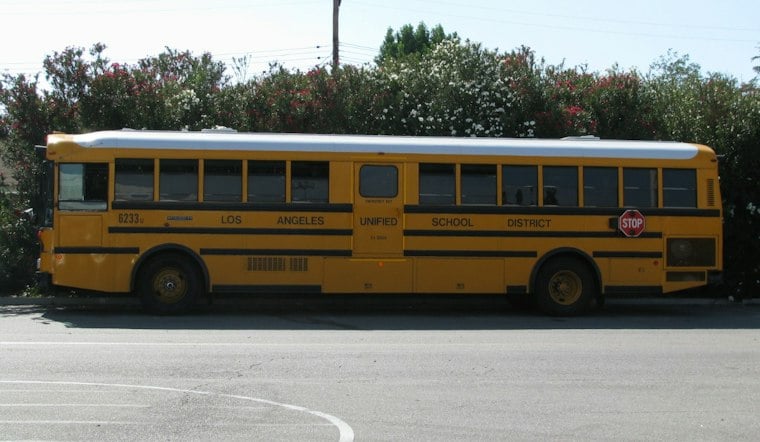
Los Angeles Unified School District recorded 6,131 student fights during the 2025-2026 school year, a 21% jump from four years earlier, according to district incident data. Student threats also rose, hitting 4,015 incidents last year, up 11.5% from the 2022-2023 school year. The numbers come even as the district reported declines in weapons incidents and suicide-risk cases over the same four-year span.
The figures, first reported by CBS News, show weapons-related incidents falling 38% to 923 last school year, while suicide-risk incidents dropped 14% to 10,055. Even with that decline, suicide risk has remained the most pervasive school safety problem facing LAUSD students for five consecutive years, per the same report. Police have not maintained an active presence at Los Angeles public schools for the past five years, a gap that has become central to the debate over what is driving the fight and threat numbers upward.
LAUSD, the nation's second-largest school district according to its own communications office, says the latest year-over-year data actually show improvement. The district reported decreases in fighting and physical aggression, threats, weapons incidents and suicide risks compared with the previous school year, and says it continues to strengthen prevention through Positive Behavior Interventions and Supports and Restorative Practices while holding students accountable and repairing harm, according to the CBS News report.
Safety Ratings Have Slipped for Years
The four-year trend lines up with longer-running concerns documented by the Los Angeles Times, which found that reported fights and physical aggression rose from 4,950 to 6,620 incidents in a single recent school year — a jump of just over a third. The paper also found that fights during the first month of a recent school year rose from 400 to 467 compared with the same period a year earlier. Only 61% of surveyed LAUSD high school students last spring said they strongly agreed or agreed that they felt safe at school or in online sessions, and the share of high schoolers giving their school a high overall safety rating has slowly declined from 62% to 58% since the 2018-19 school year, excluding a 69% outlier recorded during remote learning.
Not every safety metric has worsened. Weapons found on campus dipped slightly, from 1,362 to 1,276, in the year the Times examined. LAUSD's chief of school operations, Andres Chait, told the paper the district now employs nearly 800 psychiatric social workers, the most in its history. The incident figures themselves come from iStar reports — an internal tracking system staff use to log crimes, fights, threats, vandalism, graffiti, vaping and suicide ideation, the Times reported.
Parents Demand Police Return to Campus
The debate traces back to June 2020, when the LAUSD school board voted 4-3 to remove police from campuses and cut the school police budget by roughly $25 million, about 35%, according to a separate Los Angeles Times report. That reorganization eliminated 133 school-police positions, including 70 sworn officers, 62 non-sworn staff and one support position. A later 2021 restructuring, reported by Patch, further reduced the school police department's annual budget from $77.5 million to $52.5 million and replaced officers with school climate coaches at secondary campuses, while keeping officers on call for emergencies.
That same 2021 survey of more than 35,000 LAUSD high schoolers found just 51% felt school police made their campus safer, compared with only 35% of Black students — a split that shaped the board's 2021 approval of a $36.5 million Black Student Achievement Plan funding restorative justice advisors and climate coaches, Patch reported. Public support for the cuts was thin even then: only 14% of surveyed parents and 23% of staff backed a proposed 90% reduction to the school police budget over three years.
Discipline Policy Under Fire
Restorative justice practices, which bring together those involved in an incident to talk through what happened and apologize rather than issuing traditional discipline, have drawn criticism from some education policy advocates cited in reporting by Breaking AC News. Those critics argue the approach offers no real consequence for aggressors and no real justice for victims, and that an apology does not necessarily deter someone from repeating the same behavior the next day. The debate over discipline policy is also shaped by California Senate Bill 274, authored by then-state Sen. Nancy Skinner, D-Berkeley, and signed by Gov. Gavin Newsom, which extended the statewide ban on suspending students for willful defiance through middle and high schools. Under the law, superintendents and principals are encouraged to use research-based alternatives to suspension or expulsion designed to improve behavioral and academic outcomes, according to the bill text filed with the California Legislative Information system. That ban is set to expire in 2029.
Four years after removing officers from individual campuses, the district temporarily restored police to two schools in 2024, reviving longstanding debate over school policing, according to a report from EdSource. For families watching fight and threat numbers climb, the question of whether campus police, discipline reform, or some combination of both actually shapes student safety remains unresolved — but the pressure on the district to answer it is not going away.




