

























































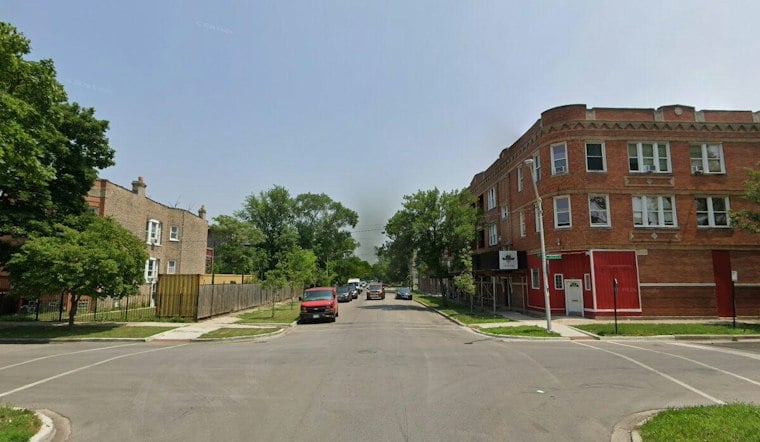
A BMW blew through a stop sign near 18th Street and Avers Avenue in Chicago's Lawndale neighborhood around 8:15 a.m. Wednesday, slamming into a Chevrolet sedan and setting off a street fight that ended with officers hauling away a baseball bat as evidence. Two people were taken into custody at the scene, and the woman driving the Chevrolet was rushed to a hospital in fair condition.
According to CBS News Chicago, both drivers and a passenger from the BMW began fighting after the collision, and officers who responded recovered a baseball bat as possible evidence from the brawl. Charges are still pending against the two people taken into custody, the outlet reports. The crash site falls within the Chicago Police Department's 10th (Ogden) District, which patrols North and South Lawndale along with Little Village on the city's West Side, according to a Chicago Police Department community alert.
What Illinois Traffic Law Says About the Stop Sign
Under the Illinois Vehicle Code, drivers approaching an intersection controlled by a stop sign must come to a complete stop and yield the right-of-way to oncoming traffic before proceeding, per 625 ILCS 5/11-904. The statute sets out drivers' duties at stop-sign-controlled intersections.
Once the baseball bat entered the altercation, the legal stakes shifted dramatically. Under Illinois criminal law, committing a battery with a deadly weapon other than a firearm — including a baseball bat — elevates a simple misdemeanor battery to aggravated battery, a Class 3 felony punishable by two to five years in prison and fines up to $25,000, according to O'Meara Law. Separately, state statute also allows battery committed in a public location or on a public right-of-way to serve as an aggravating factor that elevates the charge to a felony, the firm notes.
Who Investigates From Here
The Chicago Police Department's Area Four Detectives division is a contact for the 10th District. It remains unclear which of the two people taken into custody is accused of wielding the bat, and who brought it to the scene has not been disclosed.
A Broader Pattern of Road Rage
The Lawndale incident lands amid what researchers describe as a surge in roadside hostility nationwide. A September 2025 study by the AAA Foundation for Traffic Safety found that 96% of surveyed U.S. drivers admitted to aggressive driving over the prior year, with 11% acknowledging violent road rage actions such as exiting their vehicles to confront another motorist or intentionally bumping another car. The same research showed that specific aggressive maneuvers have climbed sharply since 2016, with drivers cutting off other vehicles up 67% and angry horn-honking up 47%.
AAA researchers also describe aggressive driving as demonstrably contagious, noting that motorists exposed to hostile driving tactics are significantly more likely to react aggressively themselves and escalate arguments — a dynamic that can help explain how a routine traffic error turns into a multi-person physical brawl. A separate survey covered by Safety+Health Magazine found that 20% of U.S. drivers personally know someone who was threatened with a weapon during a road rage incident, while 12% know someone who was injured or killed in one.
The Lawndale case echoes a West Kendall bat attack, where a driver pulled over and attacked another motorist with a baseball bat during a traffic dispute, resulting in felony aggravated battery charges. As the Lawndale case moves forward, the outstanding question of who grabbed the bat first will likely shape whatever charges prosecutors ultimately file.



