

























































Seven high school robotics teams spent a day in Leawood, Kansas turning off-the-shelf ride-on toy cars into custom mobility machines for children with physical disabilities, finishing seven vehicles for seven kids by the end of the build. Each car was topped with a red bow before being handed over to its new owner.
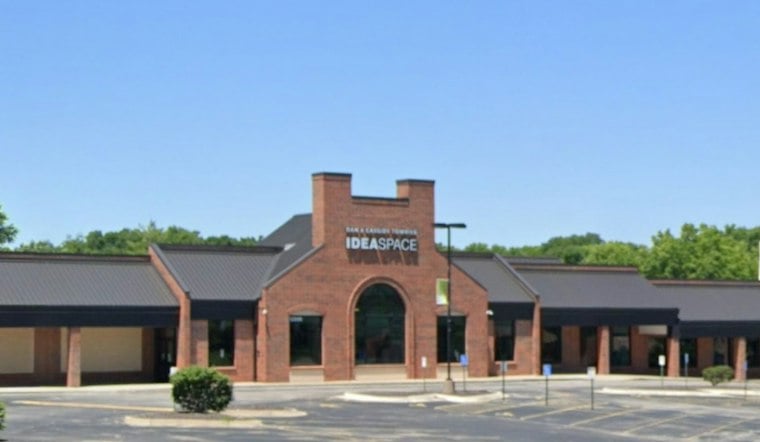
The event, known as the GoBabyGo! Community Build, took place at the Dan & Cassidy Towriss IDEA Space KC, a STEAM fabrication lab affiliated with The Barstow School. As KCTV reports, the build has now run for four years and has grown to involve seven teams, modifying 21 cars total since it began. The host team, The Barstow School robotics team, partners with Variety KC, the nonprofit serving as the event's primary partner, to organize the annual effort.
Team 1939 captain Emily Smith, who helped bring the build back during her freshman year, described the payoff moment that caps each event. “The cars are revealed to the children at the end of the day, and the experience is magical,” Smith said, according to the station's report. She added that the project lets high schoolers put their robotics skills toward something tangible in their own community.
From Robotics Lab to Real-World Impact
For robotics student Sarim Rashid, the appeal is watching kids move under their own power, some for the first time. Rashid said the event gives children a chance to move independently, play with siblings, and smile, per the same account. Team 1939 coach Bree Pusey framed the build as proof that the robotics program's mission extends well beyond competition machines.
Pusey said the event reflects the program's purpose beyond building robots, and that it shows students they can use their skills for good and actually change their community, the article notes. One of the seven participating teams was an all-girls school squad, and Pusey said their presence reinforces to young women that they belong in robotics.
Why Toy Cars, Not Wheelchairs
The gap these student-built cars fill is a real one. Pediatric power wheelchairs often run between $10,000 and $40,000, yet insurance and Medicaid policies typically allow replacements only once every five years, even though toddlers outgrow custom equipment within two to three years, according to Hoodline’s prior reporting. Insurance approval windows stretching six to eight months can leave disabled toddlers without self-directed movement during critical growth phases.
By contrast, adapting a standard 6-volt or 12-volt retail ride-on toy with push-button steering switches, foam swim noodles, and PVC safety harnesses costs between $200 and $500 in materials, per Oregon State University. That price gap is what allows nonprofits and student groups to fund multiple vehicles through community donations rather than waiting on insurers.
The developmental stakes behind the project are well established. Pediatric mobility research spanning more than 30 years shows that independent, self-directed movement between 6 months and 3 years of age is crucial for cognitive, motor, language, and social development, according to research cited in Hoodline's earlier coverage. Passive movement, such as being pushed in a stroller, does not stimulate the same cognitive growth as self-controlled navigation.
Roots in a University Research Program
The GoBabyGo model itself traces back to 2012, when University of Delaware physical therapy professor Dr. Cole Galloway founded the initiative to adapt motorized toy cars for toddlers with physical disabilities, turning a pediatric research program into an affordable mobility tool. That origin story underpins builds like the one in Leawood, as well as other grassroots pediatric mobility projects Hoodline has covered, including a Utah teen's 300-hour effort to 3D-print a wheelchair for a 21-month-old.
Locally, the open-source blueprints have a Kansas City pedigree of their own. Former Barstow STEAM director and Team 1939 mentor Gavin Wood founded GoBabyGo Connect, an online platform offering open-source CAD files, wiring guides, and build manuals that let volunteer teams worldwide access technical documentation for custom seat supports and steering modifications.
A Growing Local Track Record
Barstow's Team 1939, nicknamed the Barstow Kuhnights since the program's 2006 founding, had already modified and delivered 80 GoBabyGo cars to children across the Kansas City area before this year's event, according to the school. The team regularly collaborates with other regional high school robotics programs to expand how many cars they can produce.
Variety KC, which has operated since 1934 providing medical equipment, adaptive bicycles, and communication devices across a five-county metro area, estimates that individuals with special needs make up roughly 26% of the overall population and says it assists more than 100,000 Kansas City-area children each year through equipment grants and inclusive facilities. That scale underscores why community builds like this one have become a recurring fixture rather than a one-off event.
People interested in supporting or joining a future build can reach out to Variety KC or FRC Team 1939 through the team's website and social media channels, KCTV reports.





