

























































Philadelphia is pouring $4 million into a sweeping makeover of Lemon Hill Park, building a new inclusive playground and basketball courts on the same ground that hosted hundreds of thousands of World Cup visitors this summer. The catch for neighbors: the park's current sports amenities will serve as construction staging areas, locking out local pickup basketball players and regular park users until spring 2027.
The project centers on a 43,500-square-foot inclusive playspace, including a 15,300-square-foot play area split into dedicated zones for kids ages 2 to 5 and 5 to 12, according to the City of Philadelphia Capital Program Office. Construction on the playground and basketball courts is scheduled to run through April 2027. CBS News first reported on the CBS News plans for the new inclusive playground and courts, noting the city is framing the upgrades as geared toward Lemon Hill's everyday neighborhood visitors.
World Cup host committee Philadelphia Soccer 2026 committed $4 million to park upgrades, including pavilions, a playground, safer sidewalks and traffic-calming measures, per the Philadelphia Inquirer. The broader project also includes a renovated basketball court and baseball field, and 53 new lighting poles. The investment is being billed as a legacy project tied directly to Philadelphia's role as a World Cup host city.
Infrastructure Work Already Done Ahead of Construction
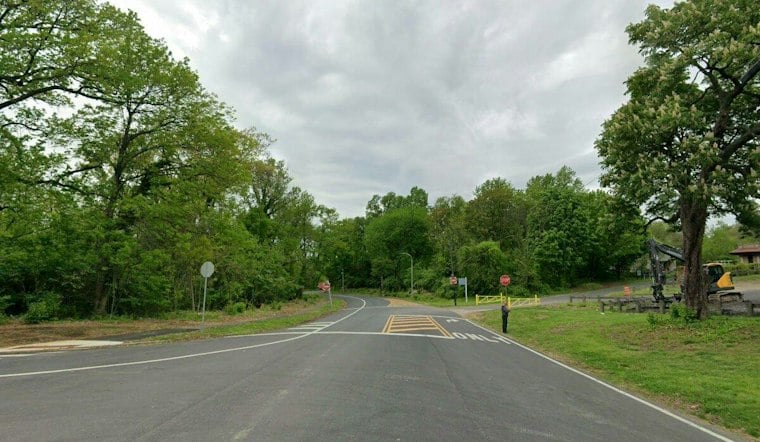
Much of the groundwork was quietly completed in mid-2026, before the bigger build-out began. Crews added PECO electrical power distribution, repaved Lemon Hill Drive, installed 12 new ADA-compliant curb ramps, and built accessible asphalt pathways connecting Sedgley Drive to the upper parking lot, the Capital Program Office says.
That prep work followed a historic run for the park as a global gathering spot. Lemon Hill hosted the official FIFA Fan Festival for 39 consecutive days, from June 11 through July 19, drawing more than 500,000 visitors. The Fan Festival welcomed visitors from 190 countries and territories, the city said. Crowd damage prompted minor repairs, while the larger restoration was long-planned and became feasible through new funding. (The event wasn't without its hiccups; Hoodline reported that the fan fest closed for a day when storms hit the city in June.)
Community Input Shaped the Final Plan
The project didn't arrive without public input. Ahead of final approval, the city held nine public engagement sessions beginning in 2024, gathering 350 comments from 200 community participants to help decide which park features would get priority funding, according to the same Inquirer report.
Still, not everyone is satisfied with how the transition is playing out. Neighborhood park caretakers and community volunteers have voiced concern that using current sports amenities as construction staging areas will displace local pickup basketball players and park users through spring 2027, the report notes, while long-term maintenance funding for the finished facilities remains uncertain.
Beyond the Playground: Trees, Fitness Gear and Historic Repairs
The legacy project extends well past the headline playground and courts. Additional components scheduled for Lemon Hill include natural play elements like stepping logs, an adult fitness area, 20 newly planted canopy trees, fishpond repairs, restoration of the historic gazebo, and masonry restoration of the historic stairway, per the Capital Program Office.
Lemon Hill sits within East Fairmount Park, a slice of Philadelphia's public park system that spans more than 10,200 acres of land and waterways citywide, according to the Fairmount Park Conservancy. The park's roots run deep: the 43-acre Lemon Hill estate was purchased by the City of Philadelphia in 1844 amid concerns that industrial pollution could affect the Fairmount Water Works water supply, becoming the founding parcel of the Fairmount Park system when it was dedicated in 1855, per the Park Charms historical record.
The park's namesake mansion has its own story. Lemon Hill Mansion was completed in 1800 by merchant Henry Pratt, who named the Federal-style estate for citrus fruits cultivated on the property by both Pratt and Revolutionary War financier Robert Morris, according to Park Charms. That history adds extra weight to a site now being reshaped once again, nearly two centuries after its founding, to serve a new generation of Philadelphia park-goers.



