

























































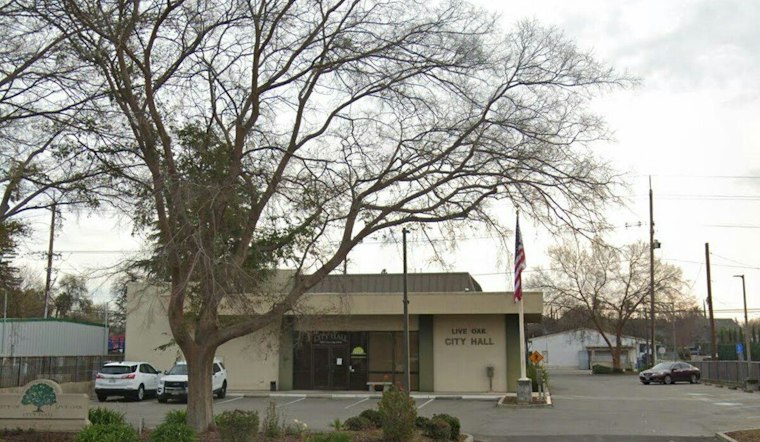
Live Oak is reducing its annual law-enforcement contract costs as it confronts a budget shortfall of nearly $1.9 million. Starting December 1, one Sutter County sheriff's deputy will patrol the city at any given time, down from two currently on duty, under a new agreement the City Council unanimously approved. The deal follows the council's vote a year ago to terminate its existing county contract, before returning to negotiations as the current coverage neared its end.
The New Contract and Its Costs
The Appeal-Democrat reported that the Sutter County Sheriff's Office will reduce its Live Oak staffing from eight officers and one detective to four officers and one detective. Under the new agreement, the city will pay $1.7 million annually, capped at $1.855 million. The city expects the change to save roughly $1 million a year compared with its previous costs. Council members Bob Woten and Ashley Hernandez moved and seconded approval, respectively; council member Nancy Santana was absent.
The new contract runs from December 1 through November 30, 2027, replacing an arrangement set to expire at the end of November. Live Oak has contracted with Sutter County for law enforcement since the 1970s. The Sutter County Sheriff's Office contract history lists the city's most recent five-year agreement as taking effect in July 2024. That deal unraveled after the council voted in October 2025 to terminate its law-enforcement and fire-response contracts with the county. The Sacramento Bee reported that the Sheriff's Office had staffed about 13 jobs dedicated to Live Oak, including seven deputies and a detective.
How Another County Agreement Defines Services
A 2014 agreement between Santa Clara County and the Town of Los Altos Hills provided for sheriff patrols, emergency-call responses and investigative services, according to the Town of Los Altos Hills agreement. It documents those service categories in a different municipality’s contract, but does not describe Live Oak’s staffing reduction.
The Earlier Cancellation Was Driven by Budget Pressure
Live Oak's financial pressures prompted the earlier cancellation. The Sacramento Bee reported that the city’s expected income was $5.3 million and estimated expenses were $7.2 million, while its sewer fund separately ran an annual deficit of $1.8 million. The city had been paying about $2.7 million toward the Sheriff's Office's $3.3 million budget for deputies and calls in Live Oak. Officials said the cost was no longer sustainable, and the city manager said the goal was to establish contract services the city could afford.
Sutter County Sheriff Brandon Barnes said the Sheriff's Office could not reasonably continue handling 7,000 to 8,000 calls annually from Live Oak under the old arrangement. He told officials that deputies would still handle some calls without a dedicated detective and directed staff to stop for clear violations in a school zone. Barnes said a deputy must remain available for domestic violence calls and robberies in progress, rather than being tied up on routine late-night highway traffic stops.
How the Staffing Change May Affect Calls
Essential-service calls, including violent crimes, will continue to receive a response, the Sacramento Bee reported, citing county officials. Those calls made up about 20% to 25% of Live Oak's total call volume in recent years, according to that report. The Sheriff's Office will respond to non-emergency calls only when it determines a response is warranted, leaving many lesser-crime, traffic and civil matters without the fuller staffing the city previously had. It may refer other calls to outside agencies or the city's own answering system.
City official Ben Moody said non-emergency calls will not be answered under the thinner staffing model and acknowledged that some quality-of-life impacts may result. Moody also said fire-service contracts with the county remain to be negotiated separately, leaving fire coverage subject to possible changes. Vice Mayor Aaron Pamma raised concerns during the discussion that the cutback could affect the city's growth prospects.
A Possible Funding Fix Still a Year Away
Measure G, a proposed 1% county sales tax on the November 4, 2026 ballot, could generate between $750,000 and $800,000 for Live Oak if it passes, though that revenue would not begin flowing to the city until July 2027. Even with that money, the city would still retain a deficit of about $100,000. Council member Bob Woten asked during the meeting how the city could better publicize Measure G ahead of the vote, underscoring how much of Live Oak's fiscal recovery may hinge on the ballot measure's outcome. The city has turned to an AI phone service in the meantime to receive, analyze and report call information as it adjusts to leaner public-safety coverage. Sutter County officials have separately expressed concern about how the transition could affect both residents and regional resources, according to Fox40.





