

























































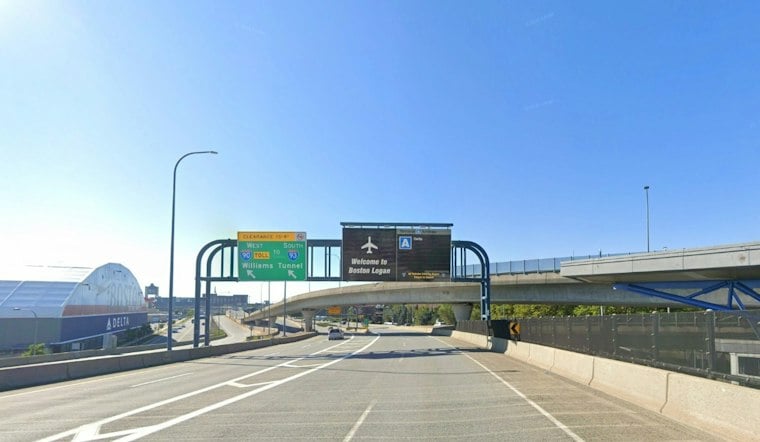
A barge carrying sustainable aviation fuel pulled up to Boston Logan International Airport on Thursday, marking the first delivery of its kind for the Massachusetts Port Authority. Massport celebrated the moment alongside Delta Air Lines, elected officials and aviation industry stakeholders, framing it as a tangible step in the agency's push to cut emissions from one of the region's biggest sources of greenhouse gases.
According to Boston 25 News, speakers at the event called the fuel delivery an important step toward expanding access to cleaner fuel and reducing greenhouse gas emissions. Sustainable aviation fuel, or SAF, is made from cooking oil, plant and animal materials, or synthetic fuel rather than petroleum, the station reported. Massachusetts became the eighth state to implement a sustainable aviation fuel tax credit, the outlet noted, a policy shift that laid the groundwork for Thursday's delivery.
That tax credit traces back to a supplemental budget bill Gov. Maura Healey signed in June. As CommonWealth Beacon reported at the time, the law puts a $10 million tax credit on the books for each of the next three years, designed to encourage airlines operating in Massachusetts to switch to cleaner fuel. The law also establishes a tax credit to encourage airlines to switch to cleaner fuel.
Why Massport Pushed for the Credit
Massport had urged state lawmakers to adopt the incentive, and a state announcement on the budget signing described the goal as promoting growth of a clean-fuels industry in Massachusetts. The push fits into a broader agency strategy: Massport has committed more than $500 million to net-zero projects over the next five years, according to the agency's own newsroom, and has said aircraft are responsible for nearly 80 percent of greenhouse gas emissions at Logan.
Massport has also launched the Massachusetts and New England Regional SAF Hub, an effort meant to connect airports, airlines, academic institutions, industry leaders and policymakers around scaling up the fuel. A Massachusetts SAF Working Group tied to that effort released five recommendations aimed at supporting early SAF deliveries to regional airports and building a regional SAF industry, the agency said.
Delta's Role and a Five-Year Supply Deal
Delta Air Lines, one of the partners present for Thursday's delivery, has separately struck a five-year agreement with Shell Aviation running through 2030 to expand SAF supply across its network, including at Logan, according to Delta News Hub. Shell is expected to deliver at least 15 million gallons of SAF to Delta in 2026 alone, per Aviation Week. Delta has said that with roughly 90 percent of its carbon emissions coming from jet fuel, SAF is the best and fastest known way to cut emissions in the near term.
The airline's Shell partnership isn't limited to Boston. In 2024, shipments of more than 7,000 gallons of SAF arrived for the first time at both Minneapolis-Saint Paul International Airport and Detroit Metropolitan Airport, Delta's newsroom noted, part of a pattern of incremental deliveries at airports around the country as supply chains slowly build out.
The Catch: Cost, Scale and Supply
Not everyone is convinced SAF delivers on its promise at the pace or scale needed. CommonWealth Beacon reported that SAF currently accounts for less than 1 percent of global jet fuel, even as the Federal Aviation Administration has set a target of SAF meeting 100 percent of domestic aviation fuel demand by 2050. The same outlet cited estimates that the fuel can cut emissions by around 80 percent, but also reported that SAF costs roughly twice as much as conventional jet fuel.
The Massport Community Advisory Committee has raised its own concerns, telling the Boston Globe's opinion pages that while SAF might reduce lifecycle emissions and harmful ultrafine particles, meaningful greenhouse gas reductions may not materialize if production can't reach necessary scale. The committee pointed to limited feedstock availability, uncertain technological development and the difficulty of bringing costs down as ongoing obstacles. It also flagged a separate wrinkle: synthetic versions of SAF require large amounts of electricity, and the climate benefit could be negated entirely if that power doesn't come from renewable sources.





