

























































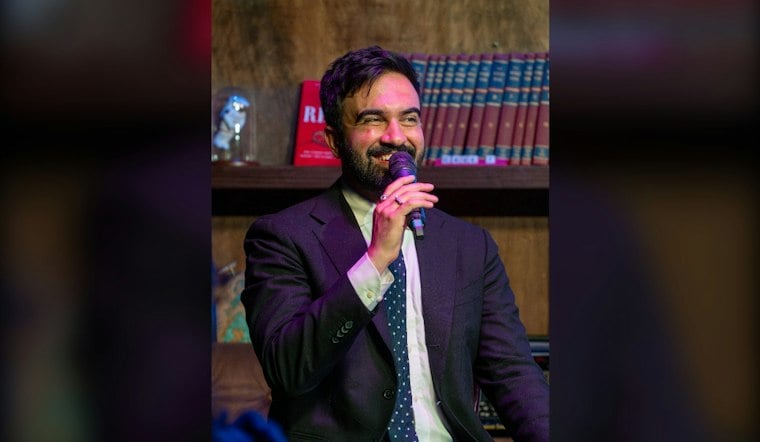
Mayor Zohran Mamdani is directing $4.8 million in previously budgeted city funds to expand gun violence prevention work in Bushwick, Harlem, and Washington Heights/Inwood, adding 42 new outreach positions to neighborhoods where community groups have long worked to keep disputes from turning deadly. The announcement, expected Tuesday, will route $1.6 million to each of the three areas for fiscal year 2027, funding 30 new credible messengers along with program managers, administrative staff, community coordinators, and education and employment specialists.
The expansion builds on the city's Crisis Management System, which deploys trained violence interrupters to defuse disputes, prevent retaliatory shootings, and connect at-risk residents to support services, according to amNewYork, which first reported the plan. The CMS network, which dates back more than a decade, currently operates in 46 neighborhood service areas and will grow from 29 to 31 NYPD precincts under the new funding, per the Mayor's Office of Community Safety. Washington Heights and Inwood previously had no CMS street-outreach coverage at all, according to the administration.
City Hall says the three neighborhoods were selected based on crime data, unmet service needs, and other indicators. In Bushwick specifically, the timing lines up with a rough stretch for the 83rd Precinct, where major crime rose 31.6% from 2025 during the period Vital City analyzed—the largest percentage increase of any precinct in Brooklyn, according to Vital City. Hoodline has reported on gunfire near Maria Hernandez Park and along Myrtle Avenue in recent weeks as the neighborhood grapples with that surge even as citywide violence trends downward.
Bushwick Could See Hires First
In Bushwick, the funding will expand The Wick Against Violence, operated by Southside United HDFC–Los Sures, which already runs programming at Woodhull Hospital and the Bushwick Houses. A city spokesperson said the Bushwick rollout could begin sooner than the other two neighborhoods because Southside United already operates CMS programming there, giving it a head start on hiring and onboarding. The organization, led by Executive Director Juan Ramos, previously expanded its youth violence interruption model across NYCHA's Bushwick and Cooper Park Houses using a $1 million federal grant awarded in March 2023, according to The Greenline.
Assembly Member Maritza Davila, whose district includes Bushwick, welcomed the expansion but stressed that The Wick and Southside United Los Sures need resources, timely funding, and support to actually succeed. That caveat carries weight: a March 2025 report from then-Comptroller Brad Lander found that average provider reimbursement wait times rose from 130 days in 2016 to 255 days in 2024, with nonprofits reporting that the delays disrupted payroll and threatened services, according to the Office of the New York City Comptroller. In April 2025, the comptroller's office launched audits of HRA, DHS, and DOHMH, the three agencies with the worst payment delays. For now, the Department of Youth and Community Development is processing contract amendments for all three programs, though City Hall has not provided a rollout start date, with timing dependent on hiring, training, and other preparations.
Harlem and Washington Heights Programs
In Harlem, the money will expand Living Redemption's existing street outreach and conflict mediation programs, which connect young people and families with mentors, employment, and educational opportunities. Living Redemption identifies Rev. Maurice Winley as its executive leader and a third-generation minister, according to Living Redemption. The organization was founded in 2019, and Winley faced a potential life sentence as a young man in 1993. Credible messengers in programs like this are often people with firsthand experience of violence and deep neighborhood ties, a model city officials credit with building trust that uniformed police sometimes struggle to earn.
Washington Heights and Inwood will receive an entirely new CMS street-outreach team through Grow Up Grow Out Jr., operated by United Way, filling a coverage gap the Comptroller's March 2025 report had flagged specifically in Harlem, Washington Heights, and Inwood. That report recommended expanding services to address the gaps and found broader oversight, coordination, and nonprofit payment problems across the system.
The Numbers Behind the Push
The same Comptroller's report estimated that CMS programs contributed to 1,567 fewer shootings citywide between 2012 and 2024, with active-program precincts seeing 21% fewer shootings than researchers estimated would have occurred without the interventions. Mamdani, who pledged to expand the Crisis Management System in March 2026, said public safety is strongest when it begins with prevention and communities have the resources to resolve conflict, support young people, and keep neighbors safe.
The expansion falls under the Mayor's Office of Community Safety, established by Executive Order No. 15 on March 19, 2026 and overseen by Deputy Mayor Renita Francois, which consolidated the Office for Neighborhood Safety, the Office to End Domestic and Gender-Based Violence, the Office for the Prevention of Hate Crimes, and the Office of Community Mental Health. Francois said the expansion equips trusted local partners to reach people before crises, interrupt violence, and respond to community needs. City officials have described the office as an initial step toward Mamdani's campaign promise to create a standalone Department of Community Safety.
Tuesday's announcement has backing from Manhattan District Attorney Alvin Bragg and Brooklyn District Attorney Eric Gonzalez, who said violence interrupters are essential to crime reduction and that his office's partnership with them is part of the reason gun violence in Brooklyn is decreasing faster than the citywide average. His office has partnered with local violence interrupters.





