

























































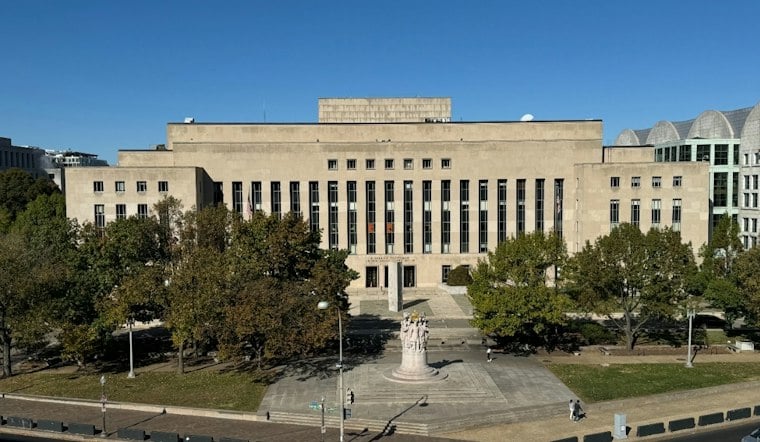
Martin Shkreli, the convicted pharmaceutical executive once dubbed the most hated man in America, is back in federal court — this time accused of defying the very order meant to keep him out of the drug business for good. The Federal Trade Commission and seven states asked a federal judge Tuesday to hold Shkreli in contempt, alleging he has repeatedly ignored a 2022 court order that permanently banned him from the pharmaceutical industry.
According to CNBC, the FTC and states allege Shkreli “flagrantly and repeatedly violated” the order by publicly trading in at least 60 pharmaceutical-industry stocks since his release from prison in May 2022. Regulators also claim he spent that same period broadcasting his opinions about the business and management of numerous drug companies, conduct they say directly contradicts the terms of the lifetime ban imposed on him.
The filing asks the judge to force Shkreli to divest any pharmaceutical-company stocks he currently holds and to repay any profits from those trades, plus prejudgment interest, the outlet reports. Regulators are also pushing for the court to impose escalating consequences if Shkreli violates the order again, a list of potential penalties that stretches from fines to jail time.
A Ban Years in the Making
The contempt request traces back to a long-running civil case accusing Shkreli of orchestrating an anticompetitive scheme to protect a monopoly on Daraprim, a decades-old drug used to treat a parasitic infection. A court found that Shkreli engineered the scheme to keep generic competitors out of the market after he hiked Daraprim's price from $17.50 per tablet to $750 per pill, according to CNBC's reporting. A judge later ordered him to disgorge more than $64 million as part of that case.
That civil matter, which produced the 2022 order banning Shkreli from the pharmaceutical industry for life, is separate from the criminal securities-fraud case that sent him to prison, the outlet notes. Shkreli was convicted of securities fraud in 2017 and sentenced to seven years behind bars the following year before his 2022 release. As QZ notes, the current contempt petition represents the next step in an enforcement sequence that began with that permanent ban and has now escalated into allegations that Shkreli ignored it outright.
Appeals Court Already Upheld the Ban
Shkreli has already tried to fight the restriction in court and lost. A federal appeals court upheld his lifetime pharmaceutical-industry ban in January 2024, according to Reuters, cementing that he cannot return to the industry in any capacity. That ruling forms the legal backbone of the FTC's current argument that any stock trading or public commentary on drug-company operations amounts to a violation.
Court filings from the FTC lay out the legal basis for the new contempt push, asserting that the court holds inherent authority to hold Shkreli in civil contempt to enforce its own order, per the Federal Trade Commission. The agency's underlying case against Shkreli has long centered on the claim that his scheme blocked generic competition and protected the inflated Daraprim price, a position the commission detailed in an earlier press release announcing it would seek contempt sanctions.
Officials Call for Harsher Penalties
FTC officials have framed the case as a test of whether lifetime industry bans carry real teeth. Mark Meador said future misconduct by Shkreli warrants escalating consequences, including financial penalties and possible incarceration, and argued that a lifetime ban requires consequences commensurate with the seriousness of any breaches. Daniel Guarnera said Shkreli's conduct drove up prescription drug costs and blocked access to lower-cost generics, adding that the FTC will enforce violations of its court orders.
It remains unclear whether the judge has ruled on the contempt request or whether any sanctions have been imposed, and Shkreli's response to the new allegations has not been made public. The case adds another chapter to a legal saga that has already cost Shkreli years in prison, a permanent industry ban upheld on appeal, and a multimillion-dollar disgorgement order — with regulators now arguing he never stopped working the system from the outside.





