

























































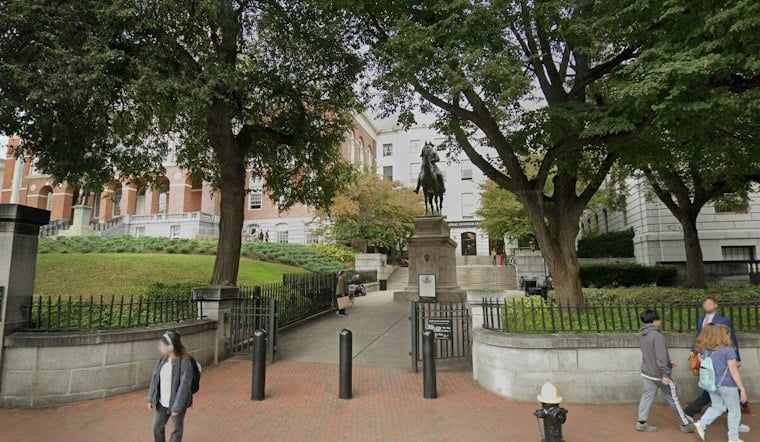
Massachusetts firefighters are closer than ever to guaranteed, no-cost cancer screenings after the state Senate passed legislation requiring their public-employer health insurance to cover the checkups every three years throughout their careers. The vote this past Thursday followed a unanimous House vote on July 31, meaning both chambers of the Legislature have now agreed that firefighters should have free access to regular cancer screenings.
The Senate approved its bill by voice vote after the Senate Ways and Means Committee cleared it on a 17-0 vote, according to WBUR. The legislation requires health insurance offered by a firefighter's public employer to cover a cancer screening every three years for the duration of their employment. As the Eagle-Tribune reported, the State House and Senate have now agreed that firefighters' insurance should include free access to these regular screenings.
Who the Bill Covers and What It Screens For
The legislation applies to full-time, paid firefighters employed by the state and municipalities, as well as those working in fire and water districts and fire departments at some military bases, the station's report notes. Required screenings must cover colon, lung, bladder, oral, thyroid, skin, blood, breast, cervical, testicular and prostate cancers — eleven cancer types in all.
Under the House version of the bill passed in July, the first screening would need to happen no later than three years after a firefighter starts the job, with follow-up screenings every three years after that, according to the Lowell Sun. That version also would bar insurers from charging co-pays, deductibles, coinsurance or any other out-of-pocket costs for the screenings. The Lowell Sun notes the screening bill has been a priority for firefighter unions for years.
Union Leader Calls Vote a Turning Point
Rich MacKinnon Jr., president of the Professional Fire Fighters of Massachusetts, called Thursday's Senate vote a momentous step toward protecting the health of the men and women who protect our communities, per WBUR. He said firefighters face an increased cancer risk because of workplace hazards, and that early detection will save firefighters' lives.
Firefighters are exposed to cancer-causing substances such as gases, PFAS used in their turnout gear, and diesel exhaust, according to the same report. The International Agency for Research on Cancer classified occupational exposure as a firefighter as carcinogenic to humans in its 2022 review, as documented by the American Cancer Society, which also notes that firefighters can be exposed to a range of known and suspected carcinogens through toxic combustion products, PFAS in protective equipment and diesel fumes. More recent research has suggested firefighters may also face increased risk of dying from skin and kidney cancers, the organization reports.
Occupational Cancer's Toll on the Fire Service
Occupational cancer is the most common cause of line-of-duty death for firefighters, according to the International Association of Fire Fighters. The union's Fire Fighter Cancer Awareness Month materials state that 79.4% of members honored at its 2025 Fallen Fire Fighter Memorial — 247 of 311 members — died of occupational cancer, while the Eagle-Tribune reported that more than 50% of members honored at that same 2025 memorial had died of the disease. The IAFF says its cancer awareness efforts are focused on increasing public understanding of occupational cancer in the fire service while equipping firefighters with information and tools to reduce their risk, and the organization works alongside the Firefighter Cancer Support Network to share prevention strategies and best practices throughout members' careers.
Existing Screening Efforts in Massachusetts
The push for a statewide insurance mandate builds on screening programs already in place. The Massachusetts Department of Fire Services added mammograms to its complement of free, early-detection cancer screenings for the state's firefighters in 2023, and a related DFS program has offered skin-cancer screenings, chest CT scans, PSA blood tests, mammograms and ultrasounds to eligible call, volunteer, career and retired firefighters.
Separately, Dana-Farber Cancer Institute launched a specialized cancer-navigation initiative called Direct Connect for Firefighters, aimed at a group the institute says faces higher cancer risk due to occupational hazards. The program, which grew out of a collaboration with Massachusetts firefighter organizations that began in 2024, provides education, clinical guidance on screening and early detection, and research collaboration, according to Dana-Farber.




