

























































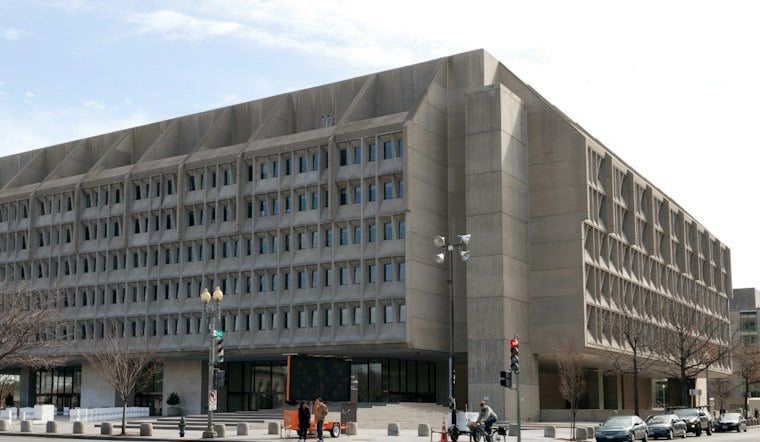
Federal government lawyers could soon take over legal representation for hundreds of unaccompanied immigrant children in Michigan, under a new Department of Health and Human Services plan that has advocates warning children may lose their only independent voice in court. The shift follows the collapse of a federal contract that had funded the Michigan Immigrant Rights Center to represent children in immigration proceedings, forcing the organization to lay off attorneys and shrink its caseload by more than half.
According to The Detroit News, HHS's Office of General Counsel proposed creating an Unaccompanied Alien Children Legal Representation Division in a notice published in the Federal Register on September 29. The division's attorneys would provide direct legal services, legal orientations and court representation to unaccompanied children, working under the direction of HHS's general counsel, according to the Los Angeles Times. HHS has not stated when the proposed change would take effect, and the agency did not respond to a question about timing, the paper reports.
The plan arrives months after the government allowed a contract with the Michigan Immigrant Rights Center to expire earlier in 2026 amid a dispute over data-sharing, according to The Detroit News. MIRC, which has represented unaccompanied minors in federal custody in Michigan since 2017, had employed 70 attorneys to represent children in immigration court. The organization laid off attorneys after losing federal funding and cut its active caseload from more than 900 cases to just over 400, per the same account.
A Collapsed National Contract
The Michigan fallout is part of a broader funding collapse. The federal government had provided legal services nationally through a major grant to the Washington, D.C.-based Acacia Center for Justice, which distributed funding to legal service providers across the country. That contract, worth around $220 million and financing services provided by about 100 nonprofit groups, expired at the end of July 2026, as reported by Mother Jones. Separately, NPR reported the Acacia network had provided legal representation to more than 20,000 unaccompanied migrant children, through a network of nearly 100 legal groups serving children in federal custody with congressionally funded services.
Without a lawyer, unaccompanied children win the right to remain in the United States less than 1% of the time, according to an attorney cited by NPR's report. The funding shortfall forced legal-service providers nationally to stop taking new clients and pushed several organizations toward closure, according to the Acacia Center for Justice. In Texas, the legal aid group ProBAR laid off more than 20% of its staff after losing funding for its children's immigration work, NPR reported.
New Contracts, New Players
HHS announced contracts totaling more than $100 million as it worked to fill the gap left by Acacia's departure, The Detroit News reports. The U.S. Committee for Refugees and Immigrants and Our Rescue were chosen to provide legal services to migrant children after Acacia's contract expired, per the same account. USCRI received a $20 million contract and began providing legal services on August 5, continuing through the end of 2026. Our Rescue, based in Utah, received a $158 million contract, according to The Detroit News — though the Los Angeles Times has reported the deal's potential value could reach up to $244 million, and The Hill described it as a sole-source, no-bid award.
The path to those contracts was not smooth. Mother Jones reported that the administration first awarded a replacement contract to Burke Law Group, which withdrew amid backlash, before the Our Rescue deal was put on hold after Acacia filed a bid protest, leading to the separate contract for USCRI. In Michigan, USCRI lawyers have appeared in immigration court twice, attempting to appear as a friend of the court in both cases — a limited role that stops short of direct representation — without having met with the client, The Detroit News reports.
Advocates Question Whether HHS Can Be Both Jailer and Lawyer
Ana Devereaux, who directs MIRC's unaccompanied minors program, has raised concerns about whether government attorneys can vigorously advocate for children whose custody and fate the same agency controls. “I think the concern that we have is that it is now hard to imagine how there's going to be true independence … or if the nature of being in the federal government will create a lot of barriers to representation,” Devereaux told The Detroit News.
Devereaux said she worries that information children disclose to attorneys could be shared with immigration enforcement to facilitate removal, and that such information-sharing could deprive children of full attorney rights and protections, the paper reports. She said independent attorneys have previously pursued legal remedies for mistreatment by HHS staff or sponsors, including a case in which, Devereaux said, an ORR custodian employee sexually abused children in Michigan. MIRC has assisted children in reporting abuse to law enforcement and finding attorneys for candid conversations, according to the same report. Devereaux doubted that HHS-employed attorneys would hold the agency accountable in similar circumstances.
The Office of Refugee Resettlement has said it is committed to ensuring every unaccompanied alien child has legal representation in immigration court, per The Detroit News. Independent legal representation by nongovernmental organizations was intended to ensure attorneys acted as zealous advocates for migrant children regardless of federal interests, the paper notes.
Lawmakers Demand Answers
Senators Elizabeth Warren and Dick Durbin wrote to HHS Secretary Robert F. Kennedy Jr. on October 19, criticizing the plan to have government lawyers represent unaccompanied immigrant children. “HHS holds these children in custody, decides where they live and shares information about them and their families with immigration enforcement. HHS cannot also be their lawyer,” the senators wrote, according to The Detroit News. Warren and Durbin demanded that HHS rescind the decision creating the division and demanded written confirmation by October 30 that no HHS attorney will represent an unaccompanied child.
Michigan Senator Gary Peters said he believes unaccompanied minors need appropriate, independent legal counsel, the paper reports. A spokesperson for Senator Elissa Slotkin's office did not immediately respond to a request for comment, according to The Detroit News.
Unaccompanied minors typically come to the United States fleeing violence or abuse, or as a result of human trafficking, the paper notes. Michigan deportation filings have included 47,229 cases involving children younger than 18 over the last five years, with children accounting for at least 1 in 4 people named in those filings, according to data gathered by the Transactional Records Access Clearinghouse, which collects court records through public records requests. MIRC says it continues to receive requests for legal representation and know-your-rights presentations from Michigan facilities housing unaccompanied migrant children even as its capacity remains diminished.


