

























































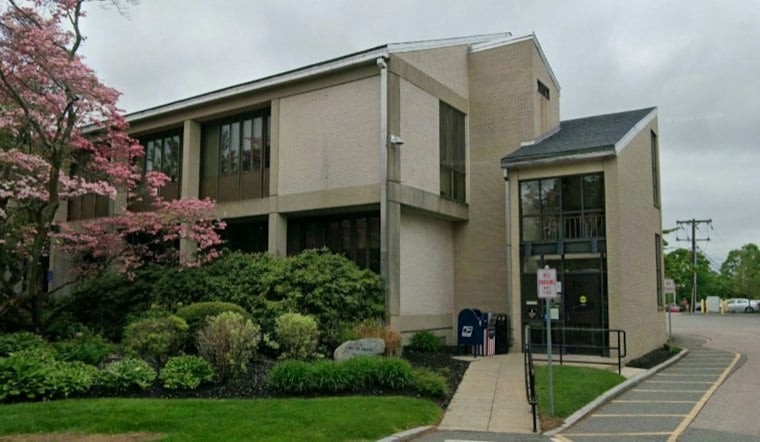
Milton's Select Board voted Tuesday to end the town's contract with Flock Safety and pull about a dozen automatic license plate reader cameras that have been watching roadways since late 2024. The decision followed weeks of pushback from residents who said the cameras raised serious questions about surveillance, data access and how the town ever signed up for the program in the first place.
The board's action, which Yahoo News confirmed came at the October 6 meeting, followed a wave of resident concerns aired at a meeting the previous month. Those cameras, according to the same report, use AI to capture the make, model, plate number, color and identifying marks of every vehicle that passes in front of them, feeding the data into a searchable system police can use to track down vehicles tied to suspects or missing people.
Board members who supported ending the deal cited concerns about surveillance, privacy and who ultimately gets access to the data the cameras collect, the outlet reported. Board member Meghan Haggerty was careful to draw a distinction, stressing that her concern was aimed at Flock Safety as a company rather than at the Milton Police Department itself, according to the same account.
How Milton Got Here
The town's relationship with Flock dates back to December 2024, when the Milton Police Department purchased the cameras for $39,500 out of its own operating budget, according to the Milton Times. The department had 13 cameras in use around town, with a contract that was set to run until March 2028. At a Select Board discussion on the matter, residents voiced strong concerns about privacy, a lack of transparency and the procurement process that brought the cameras to Milton in the first place, per a summary posted by app.govly.com.
Milton's police chief pushed back at that same meeting, defending Flock's technology as a valuable tool for solving crimes, app.govly.com's summary noted. The Milton Police Department has said the information its cameras collect belongs to the department, and that it only becomes accessible to state or federal agencies if local police choose to grant that permission, according to the Milton Times report. Flock Safety, for its part, has maintained that its system does not use facial recognition and that customers retain control over the data their own cameras generate, per Boston.com.
Part of a Broader Massachusetts Retreat
Milton is far from alone. The exact scope of the statewide pullback depends on who's counting: the ACLU of Massachusetts told WGBH that 25 municipalities canceled Flock contracts or scrapped pilot programs over an 18-month span, while Boston25News put the figure at more than 25 communities ending, suspending or declining to renew contracts. The Boston Globe's own tally found roughly 40 Massachusetts communities had paused or stopped using Flock cameras over the past year, and Boston.com separately reported more than 20 communities had terminated contracts or suspended use.
Whatever the precise count, the list of towns walking away keeps growing. Natick, Watertown and Boston all ended pilot programs with the company, per Boston.com's reporting, while Stoughton, Barnstable, Barre and Acushnet announced plans in September to remove cameras, cancel contracts or suspend use, according to Boston25News. Wilmington canceled its contract outright, and Waltham went so far as to temporarily cover its cameras with trash bags while awaiting removal, the station reported. Cambridge ended its contract in late 2025, and the Milton Times noted that Cambridge, Framingham, Watertown and Natick are among the towns that have cut ties with Flock following community backlash over privacy.
Allegations of Misuse Fuel the Backlash
Some of the retreat has been driven by documented problems rather than abstract privacy worries. New Bedford temporarily disabled its cameras after an officer was issued a protective hearing order amid allegations the officer used the system to track an ex-girlfriend, Boston.com reported. Lynn has been tightening its policies governing camera use following an investigation into alleged misuse by an officer there, per the same account. Boston 25 News, which first reported on Milton's vote, has also documented several cases of alleged misuse by police officers in Stow, New Bedford and Braintree.
Technical mishaps have compounded the concerns. Cambridge ended its contract specifically over what the city called a breach of trust after Flock installed two cameras without the city's knowledge, Boston.com reported, while Littleton disabled its system after discovering Flock had turned five cameras back on without notifying officials following the city's vote to shut them off. Boston's own short-term trial of roughly 45 Flock cameras ran from April through early September 2025, and city officials directed the vendor to disable a data-sharing function after discovering it left driver data exposed, according to Boston.com's reporting.
Flock Safety has responded to the mounting scrutiny with changes of its own. The company announced technology updates in early August aimed at addressing privacy concerns and documented misuse, Boston.com reported, and it has also recommended that customers shift to a default seven-day data retention period, down from the previous 30 days, per WGBH. Axios has described the debate as intensifying as more communities weigh whether to keep or remove the cameras amid ongoing concerns about surveillance and misuse.
Not every Massachusetts community has had cameras to begin with. On the South Shore, Duxbury, Marshfield, Scituate, Kingston, Rockland and Plymouth are without Flock cameras on public property, according to Yahoo News. Some towns elsewhere in the state have taken a middle path, continuing to use the cameras while limiting which officers can access the data, per Boston 25 News. For Milton, though, the Select Board's vote means the town's brief experiment with automated license plate reading has come to an end.



