

























































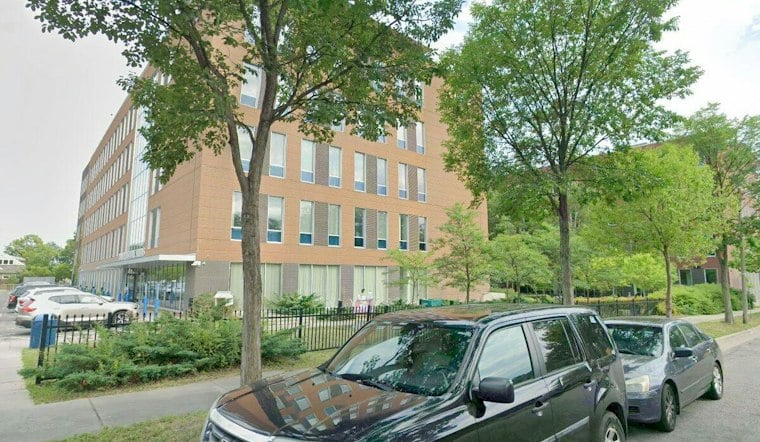
Minneapolis Public Schools is pausing plans to close or merge any of its campuses, ensuring that no building will shut its doors before the end of the 2027-28 school year. The district's school board voted unanimously Tuesday night to halt the sweeping transformation plan that had put as many as 16 schools on the chopping block, following weeks of community feedback and pushback.
The reversal, reported by FOX 9, came after public comment and lengthy board discussion. Superintendent Dr. Lisa Sayles-Adams opened the meeting by formally reversing her own earlier position, recommending the board refrain from closing or merging schools because, as she framed it, the community needed more time to process such sweeping structural change, per MPR News. It was a notable pivot, since transformation options had been put forward the previous month.
Board Members Cite Listening Sessions as Turning Point
Board directors Sharon El-Amin, who represents North Minneapolis, and Greta Callahan, who represents Southwest Minneapolis, co-authored a pause resolution amid community opposition to closures. The union representing district teachers, Minneapolis Federation of Educators Local 59, opposed the proposed closures and raised concerns about disruption to schools.
The three options floated in September considered closing or repurposing up to 16 campuses, according to The Mighty 790 KFGO.
Empty Classrooms Drove the Original Push
The underlying math that sparked the closure conversation hasn't gone away. Minneapolis Public Schools currently enrolls roughly 29,000 students in facilities originally built for 42,000 to 43,000, leaving more than 60 percent of its 56 schools operating under 70 percent capacity, per Axios Twin Cities. The district has faced enrollment challenges in recent years.
District officials clarified in September that the proposed closures were meant to standardize educational offerings rather than resolve an immediate budget crisis, since the board had resolved a roughly $39.7 million deficit, KARE 11 reported. Financial modeling reportedly showed that total district operating costs would stay roughly the same whether or not the restructuring moved forward, leaving open the question of what problem the closures were actually meant to solve beyond consolidating underused space.
A Previous Redesign Looms Over the Debate
Critics frequently invoked the district's 2020 Comprehensive District Design during public opposition, a prior round of redrawn attendance boundaries and reduced magnet programs. The district also saw students leave in the years around the COVID-19 pandemic, per the Bring Me The News report. That history became a rallying point for families worried that another round of consolidation would simply accelerate enrollment flight to charter and suburban districts rather than reverse it.
Capital Spending Questions Still Linger
The closure debate has also unfolded alongside separate board discussions over whether to advance a $105M Anishinabe campus plan at the closed Cooper Community School site, a project estimated at $90 million to $105 million. That proposal created its own political friction, with supporters citing commitments to Native students and skeptics questioning the wisdom of new capital spending amid empty seats districtwide.
With closures off the table before the end of the 2027-28 school year, the pause arrives ahead of November's school board election and calms, at least for now, one of the district's most contentious fights. But the structural mismatch between building capacity and student enrollment that started the conversation remains unresolved, leaving Minneapolis Public Schools to manage its costs and more than 12,000 empty desks while still chasing that 10-year growth target.





