

























































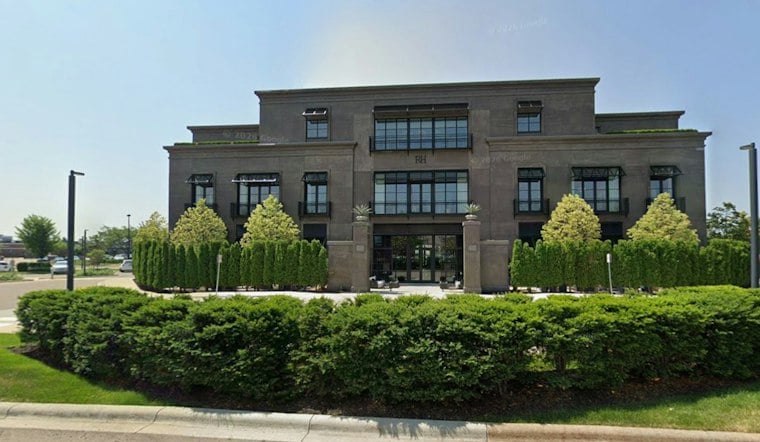
A federal judge has dismissed a discrimination lawsuit against an Edina restaurant that accused staff of enforcing photography rules unfairly along racial lines during a birthday dinner. U.S. District Judge Donovan Frank granted Restoration Hardware's motion for summary judgment and dismissed Mia Wilson-Greenwood's case with prejudice, ending the dispute over flash photography taken at the rooftop restaurant.
According to Minnesota Lawyer, Wilson-Greenwood attended a birthday dinner at the restaurant with friends and a professional photographer. She filed a single claim under Minn. Stat. § 363A.11, alleging discrimination in the enjoyment of a place of public accommodation after she said employees treated her unfairly because of her race by enforcing the restaurant's photography policy. The Minnesota statute she invoked, part of the Minnesota Human Rights Act, prohibits denying someone the full and equal enjoyment of a public accommodation because of race or other listed protected characteristics, according to the Minnesota Revisor of Statutes.
What Happened at the Rooftop Dinner
Minnesota Lawyer reported that Restoration Hardware had a policy barring professional cameras throughout its premises and a separate rule restricting flash photography indoors while allowing it on the outdoor terrace. The company presented the rules during the online reservation process, and employees routinely enforced them, the report said.
During the dinner, employees reminded the group that professional photography equipment was prohibited and flash photography was not allowed indoors. Wilson-Greenwood acknowledged using flash at the table. Her photographer took more than 200 photographs that evening, and the group took more than 200 photographs across the restaurant’s premises. The restaurant continued serving Wilson-Greenwood and her party.
The Discrimination Claim and the Court's Analysis
The court found that the Minnesota Human Rights Act applied to Restoration Hardware’s retail and restaurant operations and that Wilson-Greenwood belonged to a protected class. Because she offered no direct evidence of discrimination, the court applied the McDonnell Douglas burden-shifting framework, Minnesota Lawyer reported.
Under that framework, the court assessed whether the alleged comparators were similarly situated in relevant respects. It found Wilson-Greenwood had not observed all interactions between white patrons and employees and had not shown that those patrons engaged in substantially similar conduct. She also did not establish that white patrons used professional cameras comparable to her photographer’s equipment. The photographs she submitted did not show white customers using flash indoors without intervention; one appeared to show a reflection of Wilson-Greenwood’s own flash, according to the report.
Hearsay Testimony Excluded From Consideration
The court also found no evidence that an employee witnessed and knowingly allowed another customer to use flash indoors. It excluded Wilson-Greenwood’s account of statements by two unidentified Black women who allegedly received similar warnings, ruling that the statements were hearsay and that no exception had been established.
What Minnesota’s public-accommodations law covers
Minn. Stat. § 363A.11, subd. 1(a)(1), prohibits denying someone the full and equal enjoyment of a public accommodation because of race or other listed protected characteristics, according to the Minnesota Revisor of Statutes. The statute’s screening-out language concerns disability-related provisions, not the public-accommodations protection Wilson-Greenwood invoked.
The court concluded that the evidence did not show employees singled out Wilson-Greenwood or her group rather than enforcing the restaurant’s stated photography rules. It therefore granted summary judgment to Restoration Hardware and dismissed the case with prejudice, Minnesota Lawyer reported.



