

























































Outpatient treatment relies on follow-up care
Outpatient CAR-T shifts some care from the hospital to scheduled visits and follow-up support. A 2024 study in Blood Advances examined 58 patients who received commercial CAR-T infusions as outpatients in 2022 and 2023, most for myeloma or lymphoma. Patients visited a cancer center daily for the first seven to 10 days, then twice a week through day 30. CAR-T-related toxicity was the most common reason for hospitalization, accounting for 33 of 42 admissions, according to the study.
FDA monitoring guidance
On June 26, 2025, the U.S. Food and Drug Administration announced it had eliminated REMS requirements for currently approved BCMA- and CD19-directed autologous CAR-T therapies while updating their labeling. The labels call for monitoring for at least two weeks, including daily monitoring for at least one week; remaining within proximity of a health care facility for at least two weeks; and avoiding driving for two weeks after treatment, according to the FDA.
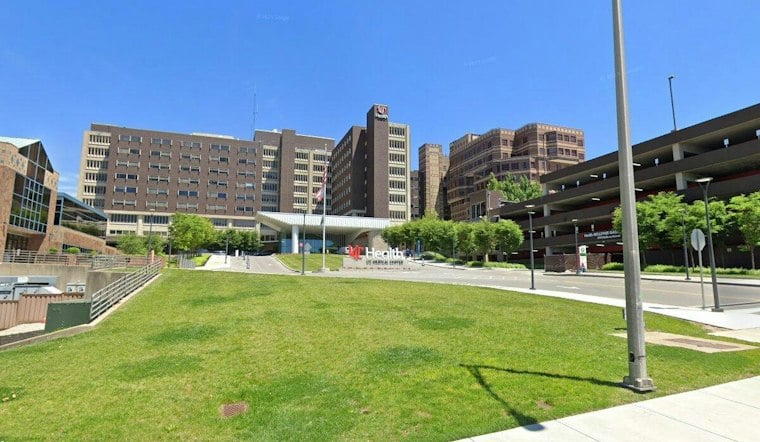
UC Cancer Center used an outpatient approach for Tamara Schwarting, its first patient to receive CAR-T therapy as an outpatient, according to WLWT’s report. She received the infusion at the hospital on her birthday and went home after observation. WLWT reported that she had been prepared for possible side effects and had access to a 24-hour nurse hotline.
Schwarting’s treatment and the outpatient model
WLWT reported that Schwarting was diagnosed with follicular lymphoma in May 2021 after noticing a swollen gland while traveling with a friend. Chemotherapy brought periods of remission, but the cancer returned this year. CAR-T uses a patient’s genetically modified T-cells to target cancer. Her treating physician, Dr. Tahir Latif, told WLWT that the treatment also aims to prompt other immune cells to help fight the disease.
The outpatient model may matter for access as well as the experience of treatment. The Association of Community Cancer Centers estimates that about one in five people eligible for CAR-T nationally do not receive it, citing distance, travel demands and limited availability at specialized centers. The association says a community cancer center may be able to establish an outpatient program in one to two years if it has adequate resources and commitment, according to the Association of Community Cancer Centers.
UC Health lists its Transplant and Cellular Therapy program as accredited for adult autologous and allogeneic transplants and CAR-T therapy. The health system describes its Blood Cancer Healing Center as a hub for specialized blood cancer care and support, according to UC Health. WLWT reported that UC Health doctors and researchers hope outpatient treatment will become more common.





