

























































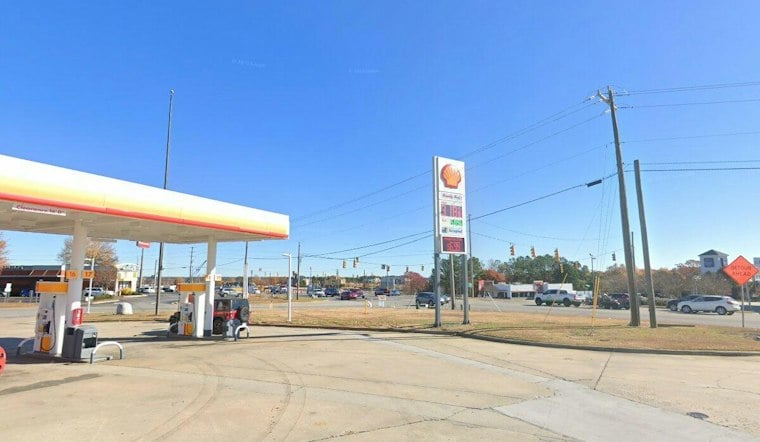
A Morgan Park gas station is dealing with the fallout after six customers reported vehicle problems following fill-ups, amid concerns about possible water contamination. The owner says a cracked lid let rainwater seep into the fuel system, and one family says the damage to their Mercedes-Benz could run close to $10,000 to fix.
The trouble centers on Sav-A-Stop, located near 111th Street and Racine Avenue in the Morgan Park neighborhood, according to FOX 32 Chicago. Station owner Jeslin Jose told the outlet a cracked lid may have allowed rainwater into the fuel system; six customers reported vehicle problems after fill-ups.
One family described their Mercedes-Benz shaking violently, making loud noises and throwing a check-engine warning light before it had to be towed. A dealership examination reportedly found the car's fuel supply was roughly 50% water, and the family estimated repairs would run nearly $10,000, though those figures have not been independently verified.
Owner Says Rainwater Got Into the Tanks, Apologizes
Jose said a customer first reported the problem on October 1, which prompted the station to notify the appropriate parties and begin addressing the issue. Crews worked to pump fuel from the affected lines during cleanup. Mosley said some repairs had been made and additional work remained; he also said the plus and premium fuel lines would remain closed during repairs and another inspection.
Jose offered an apology for the incident, telling the station, “We are sorry. It was an accident.” He also said claims have been filed for all six affected customers, though it remains unclear whether any of those claims have been resolved or paid out.
Ward Alderman Flags City Review, Urges Caution at the Pump
Ald. Ronnie Mosley, who represents Chicago's 21st Ward, said the city's Department of Business Affairs and Consumer Protection was contacted about the incident. Per Mosley, the contamination appeared limited to the plus and premium fuel lines, while regular unleaded remained available for purchase at the station throughout the ordeal.
Mosley said the plus and premium lines will stay closed until repairs are finished and a city inspection is completed, and he urged drivers to steer clear of those fuel grades at the station in the meantime. He also noted that checking fuel quality nightly falls to business owners as part of running a filling station.
How Illinois Handles Fuel-Quality Complaints
Consumers with concerns about gasoline quality have a formal avenue in Illinois: the Illinois Department of Agriculture runs a motor-fuel-quality hotline for complaints that include suspected contaminated gasoline, with inspectors tasked with helping prevent consumers from buying substandard fuel. Under state rules outlined by the Illinois General Assembly, a complaint submitted by phone, mail or email must be completed before the department will submit an official sample for lab analysis.
In Chicago specifically, inspections of filling stations and their underground fuel-storage and dispensing equipment fall to the Chicago Fire Department's Underground Storage Tank Section, per the City of Chicago. Separately, the city's Department of Business Affairs and Consumer Protection is charged with shielding residents from consumer fraud, unfair competition and deceptive business practices, according to the City of Chicago.
Contaminated Fuel Isn't Unique to Chicago
Water-tainted gasoline has turned up elsewhere in the country, too. A review by WRAL found more than 100 fuel-quality complaints filed across North Carolina between January 2022 and June 2026, with state inspectors confirming problems at 37 separate stations. Those confirmed cases ranged from water or sediment in fuel to gasoline that failed quality standards and even gasoline-diesel cross-deliveries, the outlet reported.
In one North Carolina case from March 2023, inspectors found roughly a quarter-inch of water sitting in a diesel storage tank at a Family Fare location in Garner. A year later, in April 2024, testing at a Refuel station in Knightdale turned up water and sediment in diesel samples, with the storage tank itself holding about a tenth of an inch of water, according to the same WRAL review.
For now, the Morgan Park situation remains unresolved. No city inspection report, state lab results or formal enforcement finding has been made public, and it is not known exactly when the affected lines were closed or when they might reopen for plus and premium fuel sales.





