

























































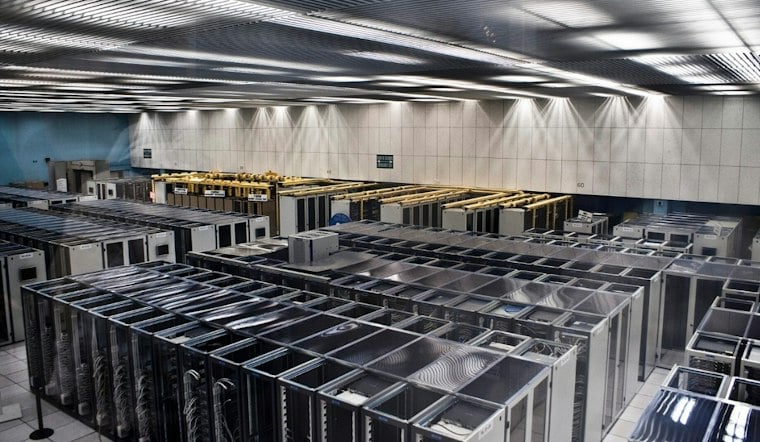
Nashville’s new data center rules now face a practical test: whether the city can identify and manage impacts that the regulations may not fully address. A mayor-ordered assessment points to further work on persistent equipment vibrations, cooling-system wastewater and Metro’s capacity to enforce the rules.
Mayor Freddie O’Connell ordered the assessment through an executive order he signed in June. It examined potential environmental, infrastructure and community impacts of data center development across Nashville, according to WKRN News 2. The review describes the new regulations as a foundation while identifying issues that need further evaluation before any amendments move forward.
What The New Rules Already Cover
Metro Council passed restrictions on data center development in July that limit where facilities can be built, set noise limits and prohibit the largest campuses. The framework defines five classifications and bars hyperscale campuses from Davidson County, per WSMV. The zoning legislation bans data centers larger than 500,000 square feet; smaller proposals require a special exemption from the Board of Zoning Appeals and a public hearing, the station reported.
The rules limit large facilities to heavy-industrial areas and bar them from locating within half a mile of schools, homes, parks and other designated areas. They also require developers to use at least 15% renewable energy, with incentives for sourcing half their power from renewables, according to WPLN News. A temporary moratorium on new data center activity followed the ordinance’s passage. Reports differ on its end date: WSMV says the pause remains in effect through December, while WPLN says the moratorium on new permits runs until December 1.
Vibrations And Wastewater Left Unaddressed
The assessment identifies vibrations, cooling-system wastewater and enforcement capacity as issues needing more scrutiny. The rules do not require vibration impact assessments or set separate vibration limits, although data centers rely on continuously operating cooling, air-handling and electrical-generating equipment that can produce persistent noise and vibration, according to TRC Companies’ industry analysis. The report says existing noise regulations are expected to help mitigate vibration but calls for more research to determine whether they are sufficient, WSMV reported.
On the water side, the report recommends studying whether wastewater discharged from data center cooling systems could contain contaminants not fully addressed by existing standards. Closed-loop cooling systems, for context, can reduce water consumption by up to 70% compared with traditional open evaporative cooling methods, per the University of Georgia CAES Field Report — but the mayor's assessment does not identify any specific contaminants or test results of its own. The Tennessee Department of Environment and Conservation notes that no single government authority regulates every aspect of data center siting, construction and operation in the state; oversight is split across local and state agencies, with TDEC's authority limited to the environmental requirements it administers.
A Working Group And A Call For Cumulative Review
Among the report’s recommendations are studying the combined effects of multiple data centers in the same area and forming a working group of Metro departments and utilities to coordinate oversight. Metro Council member Jacob Kupin said the city will need to keep reassessing its approach as the industry changes, and expressed concern about uncertainty over facilities’ long-term effects.
Utility Planning and a Water-Reuse Precedent
Nashville Electric Service has guidelines for large-load data center requests. As a separate water-reuse precedent, Loudoun County, Virginia, says Loudoun Water invested in a reclaimed-wastewater system for several early-generation data centers in 2010 to reduce pressure on the local water supply, according to the county’s water-planning information. That example does not establish the presence of contaminants or conditions in Nashville.
Drew Small, founder of No New Data Centers, helped organize opposition to a proposed facility near the Nashville Zoo. He said the legislation is a good starting point but argued that stronger oversight and enforcement are needed. Small also called for considering independent monitoring rather than relying solely on information provided by operators. He said he hopes further study will address water discharge and strengthen the rules, describing the remaining work as “the last 10%.”





