

























































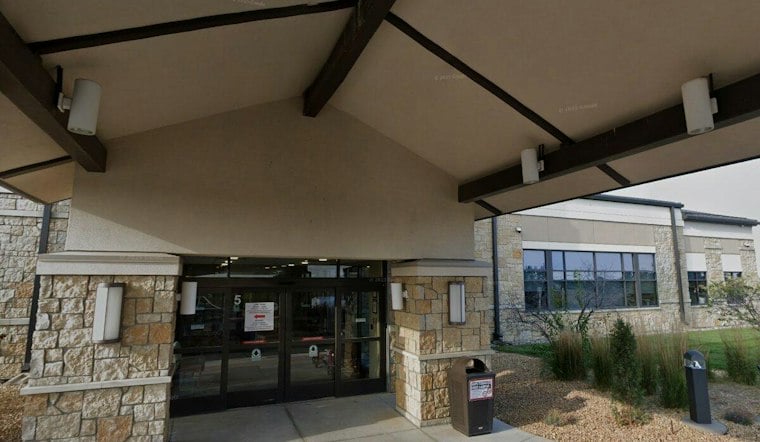
Nebraska is set to receive $218.5 million a year through 2030 under a new federal rural health program, nearly $1.1 billion in all, but hospital leaders across the state say the money won't stop the bleeding from deep Medicaid cuts. Pender Community Health CEO Laura Gamble put it bluntly: the funding might help, but it won't be enough to keep her hospital system running as it currently does.
A Billion-Dollar Fund, But Hospitals Say It Misses the Point
As reported by KETV, Nebraska hospital leaders have expressed concerns about how the state's share of Rural Health Transformation Program funding is being used, even as they remain grateful for it. Jeremy Nordquist, president of the Nebraska Hospital Association, said the program needs a clearer plan for the future. Nordquist told the station Nebraska could receive up to $200 million each year through fiscal year 2030, though the state's actual award ultimately landed higher, at $218.5 million annually, the eighth-largest award in the country, according to the Nebraska Hospital Association. The association notes the state initially planned for $200 million per year before CMS required a revised budget reflecting the additional $18.5 million.
Nebraska's budget proposal outlines 35 projects totaling $885 million over the five-year timeline, per the same account, including up to 10 additional conversions of Critical Access Hospitals into Rural Emergency Hospitals. The state currently has two Rural Emergency Hospitals, in Friend and Oshkosh, with Friend Community Health Services having converted in early 2024 as the 21st hospital in the country to make that switch.
Pender Hospital Weighs Whether It Can Keep Operating
At Pender Community Health, a hospital in northeast Nebraska that also operates a daycare and a nursing home, Gamble said her health system had useful ideas during the planning process but did not feel they were heard. Pender is using its share of the funding for hospital updates, including renovations that will move administration and allow the hospital to take in more patients, potentially increasing revenue, according to KETV. But Gamble said the funding will help without solving the underlying problem.
“This money, maybe it's a band-aid,” Gamble said, per KETV's report. She said Pender cannot sustain itself as a hospital system under current conditions and that the community may need to have a different kind of conversation. “We're going to start having talks with our community of whether we can't do this ourselves,” Gamble said, according to the station.
Medicaid Cuts Are Driving the Squeeze
Pender is among dozens of Nebraska hospitals affected by Medicaid cuts enacted under the One Big Beautiful Bill, which cut nearly $1 trillion in federal Medicaid spending between 2025 and 2034, according to the Nebraska Hospital Association. The law allocated $50 billion nationally to offset those losses, divided among all 50 states over five fiscal years, KETV reported. Nordquist said hospitals are now facing two unappealing options as a result: shift costs onto others or cut services outright.
Nordquist said roughly 1,000 Nebraskans have lost health coverage so far, with that number potentially rising into the tens of thousands, which he said would push more uninsured patients into hospital emergency rooms and clinics. He said about 30% of Nebraska's rural hospitals are still losing money on operations. That tracks with separate reporting from the Nebraska Hospital Association showing that earlier in 2025, 35% of all Nebraska hospitals and 44% of small rural hospitals were losing money, and that about 55% of hospitals expect their current fiscal year to be challenging or very challenging.
Hospitals in the state have also contended with Medicaid reimbursement rates as low as 34 cents on the dollar, according to the Norfolk Daily News. At Pender specifically, hospital revenue also props up a child care center and an assisted living facility that lose money but serve important community roles, the paper reported.
Other Hospital Leaders Echo the Frustration
Ivan Mitchell, CEO of Great Plains Health, said he does not see the new funding as something that will keep a hospital open or sustain a rural community service line. Mitchell said hospitals have largely been excluded from decision-making about solutions to the broader problem, and that some funding appears to be going toward projects that do not directly help rural hospitals. He described the program's funding as being used for short-term solutions rather than lasting fixes, KETV reported.
Mitchell did point to one tangible benefit: retention bonuses available to long-serving hospital employees as well as traveling staff and transplant workers, with rural workers who stay five years eligible for retention dollars. Nordquist said hospitals need financial support and investments that leave them better positioned once the funding runs out in five years, not just new programs layered on top of existing strain. Gamble urged improvements to the program in years two, three and four to make the funding more effective going forward.
How the Money Is Actually Moving
Nebraska has already begun distributing its first-year funds. About $136 million had been awarded through nearly 200 grant agreements, according to Nebraska Public Media. The Nebraska High Value Network, which combines 22 rural hospitals, received about $18 million for a remote patient monitoring grant, the outlet reported. The state must award its funds to grantees by Oct. 30, 2026, while grantees have until the end of September 2027 to actually spend them.
Nebraska's experience is not unique. Critics cited by Georgetown's Center for Children and Families argue the broader Rural Health Transformation Program is designed for innovative delivery solutions rather than propping up hospitals already buckling under financial pressure. North Carolina policymakers have raised similar concerns, warning that their state's $213 million in new rural health funding would cover only a small portion of expected Medicaid-cut losses, per the same report. Experts cited by Healthcare Brew have said the program nationally will not fully offset an estimated $665 billion in state Medicaid budget cuts between 2025 and 2034, as states collectively put most of their funding toward maternal health, substance-use treatment and telehealth access, according to Healthcare Brew. That outlet found wide variation in how fast states have moved: Texas had designated just 18.9% of its first-year funding by July 31, while New Jersey had allocated 53.8% and Vermont 14.5% by that same date.
For Pender, the math remains unresolved. Gamble has received Rural Health Transformation Program funding and says it supports needed updates, but she is already preparing her community for a harder conversation about whether the hospital can keep operating the way it always has.





