

























































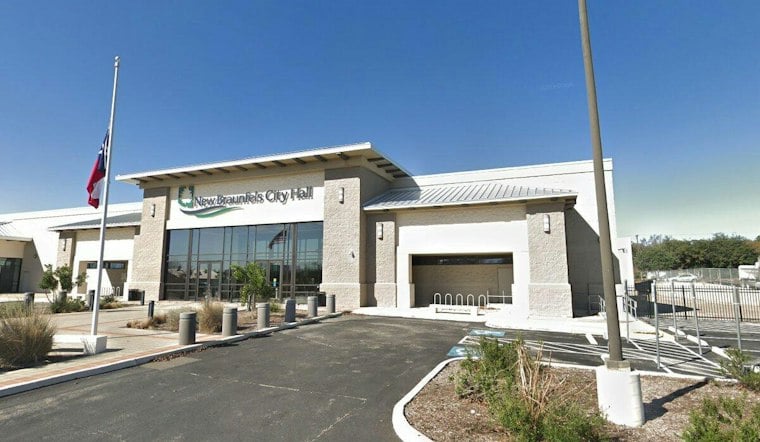
New Braunfels City Council members unanimously voted to postpone a decision on whether to invest in a new entrepreneurship accelerator program, after several members raised concerns about duplicating services already offered by a local small-business center. The vote, taken Monday, pushes the proposal to a November meeting where officials want more details before committing public dollars.
The program under consideration would bring gBETA, a free seven-week workshop run by the national startup accelerator firm Gener8tor, to New Braunfels. As reported by Community Impact, gBETA helps small businesses acquire outside funding without giving up equity, and the New Braunfels Economic Development Corporation has floated investing $1,125,000 in the partnership. That figure conflicts with an earlier Community Impact report from June, which described the NBEDC as looking to invest $1.2 million in the program — a discrepancy the dossier record does not resolve.
Robert Pieroni, who represented Gener8tor before the council, said the firm wants to invest in promising ideas wherever they are found. Jonathan Packer, president and CEO of the Greater New Braunfels Chamber of Commerce, told the council that local residents need access to coaching and expertise to grow their companies, and argued that students from Texas State Technical College and Northeast Lakeview College have strong technical skills and are ready for opportunities like gBETA.
Council Members Press for More Answers
Not every council member was sold on the pitch. District 3 member D. Lee Edwards said he wants to make sure the proposed investment has a real potential for success before the city commits. District 1 member Toni Carter said some of her constituents are unhappy with the proposal, and added that she has not seen a presentation explaining exactly what the city gets in return for its existing investment in the SPARK Small Business Center.
District 6 member Nikki Shaw went further, asking whether the city could instead put more resources into strengthening SPARK rather than standing up a second program. Shaw said she did not feel the city needed both programs running at once — a question that echoed comments made earlier this year by NBEDC board member Cory Elrod, who told Community Impact that SPARK is good at the initial stage of business support, but that some entrepreneurs have grown past that stage.
What SPARK Already Offers
SPARK Small Business Center is a New Braunfels-based service contracted by the city in partnership with the UTSA Small Business Development Center, offering what its own site calls a one-stop resource for no-cost business advising, training and referrals. Ron Richardson, SPARK's project manager, told the NBEDC in a quarterly update that the center logged several new business startups in the third quarter and more business expansions heading into the fourth quarter.
Richardson also reported that SPARK's partnership with the Westside Community Center, which began in June 2025 to provide on-site business advising and reduce transportation barriers for underserved entrepreneurs, has helped more than 92 individuals, according to a presentation cited by Citizen Portal. The same presentation credited SPARK with generating roughly $3.3 million in additional capital infusion this year, even as the center requested no increase in EDC funding beyond modest inflationary adjustments.
New Braunfels resident Julie King commended SPARK's community presence and said the NBEDC's investment in the center is producing results. The city previously approved a $210,000 NBEDC grant to renew SPARK's contract back in September 2022, as Community Impact reported at the time.
A Working Model Down the Highway
Council members weighing the Gener8tor proposal have a nearby comparison point. The Round Rock City Council approved and funded a gBETA accelerator in August 2025, investing $1.2 million over three years, according to KXAN. That program's first cohort of five companies collectively raised more than $500,000, grew revenue by more than 10% and doubled their customer base, the station reported.
Gener8tor's own materials describe gBETA as selecting up to five companies from a range of verticals out of a competitive applicant pool each cycle, with no fees or equity taken from participants because program partners fund the workshop. The proposed New Braunfels version would run two cohorts annually over three years and include training, community building, networking, mentor connections, investment accelerators and presentation pitches. Company-wide, gBETA alumni have raised more than $1 billion in capital and created more than 6,480 jobs, according to Gener8tor.
For now, the New Braunfels proposal remains on hold. The council's postponement means no funding decision will be made until officials return with additional program details at a meeting next month.



