

























































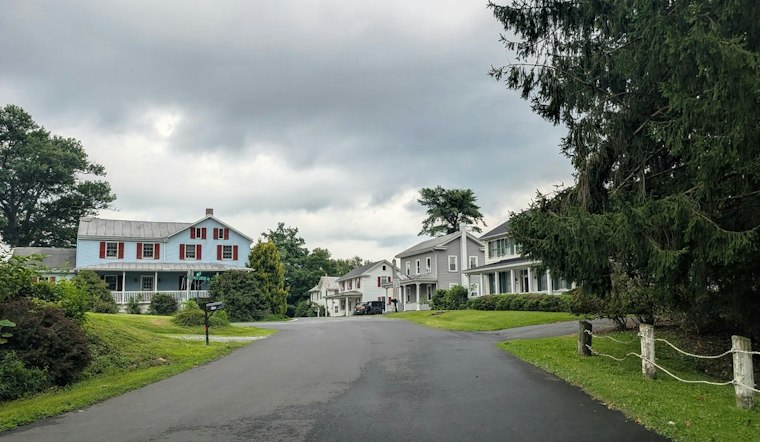
New Buffalo Township has approved a one-year moratorium on new short-term-rental properties, freezing further growth of the industry. The township also scheduled a town hall for the following month.
The moratorium comes as township officials consider how to regulate short-term rentals, according to Moody on the Market.
Those complaints go beyond noise. According to the same report, short-term rentals have affected local housing prices, and some existing rental homes have been torn down and replaced with much larger properties built to accommodate up to 14 guests at a time — a shift that has reshaped the character of some residential blocks.
Town Hall Planned for November
The township scheduled a town hall for the following month. The Herald-Palladium reported that the board agreed to schedule the session after residents spoke up about the issue at a recent meeting, as detailed by The Herald-Palladium.
Heit noted that short-term rentals in residential neighborhoods have specifically prompted noise complaints, and she pointed to a township ordinance put in place around 2018 that she said seems to have helped address many of the problems caused by short-term rentals at the time. Still, the concerns resurfaced enough in recent months to push the board toward the fresh moratorium and the upcoming public discussion.
Years of Delay, Then a Scramble for Numbers
The push for stricter rules isn't new. Harbor Country News reported that the township had been discussing an ordinance regulating short-term rentals for roughly two years but held off, waiting to see whether the state would act first, according to Harbor Country News. In that same reporting, a township planning commissioner ran an internet search and came up with 34 Airbnb listings in a single R1 residential zone — a figure that underscored just how far the rentals had spread into neighborhoods never zoned for short-term commercial use. Heit told the outlet she expects to eventually introduce a formal ordinance for board approval once it has been reviewed by the township's attorney.
Current township licensing rules, in the meantime, still apply to existing rentals. New Buffalo Township's own guidance states that a rental license must be obtained before any property can be rented short-term, with a $500 fee covering a license that remains effective for 36 months from the date of approval. Property owners must also pass an inspection confirming required safety systems are in place and serviced, and rentals must comply with township ordinances covering noise, dust, litter, odor, burning and solid-waste collection, per the township's published rental ordinance information.
How Other Michigan Towns Have Handled the Same Fight
New Buffalo Township isn't alone in grappling with this. Ann Arbor officials proposed a six-month moratorium on new short-term-rental units over the summer to study their impact, after discovering several hundred unregistered rentals — many in residentially zoned districts — on top of the 295 units already licensed as of June, according to MLive.
Further west, Park Township amended its zoning ordinance in 2024 to prohibit short-term rentals entirely in residential areas, limiting rentals of 28 days or fewer to its C-2 Resort Commercial District, with fines escalating from $50 for a first offense up to $500 for repeat violations. That ban has since drawn a federal lawsuit from a group of property owners, filed after an Ottawa County judge upheld the restriction in November, MLive reported separately. The dispute offers a glimpse of how contentious these fights can get once a township moves from a temporary pause to a permanent ban — a path New Buffalo Township has not yet taken but may consider once its moratorium and town hall process play out.




