

























































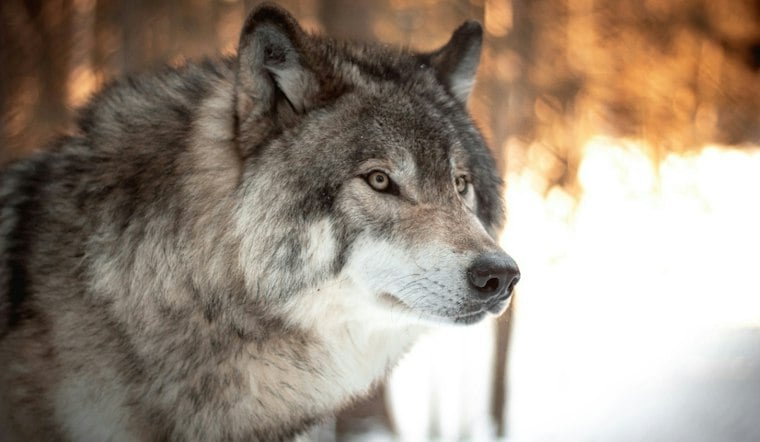
New York has finalized its State Wildlife Action Plan for 2025 through 2035, a decade-spanning blueprint that for the first time adds 269 native plants to its list of species needing conservation — but still leaves out wolves, cougars and Canada lynx, animals some conservationists say belong on the list. The revised plan identifies 570 species of greatest conservation need statewide, including 147 considered high priority.
A Decade-Long Roadmap, Now With Plants
The plan, finalized this month, is designed to guide the state's conservation and funding priorities for the next ten years, according to WAMC, which reported that state wildlife action plans identify wildlife that may be endangered, imperiled or vulnerable within a state. Congress requires states to regularly update these plans in order to remain eligible for federal funding, the station reported. As New York Almanack notes, the New York State Wildlife Action Plan for 2025–2035 is now finalized, following an assessment of 920 wildlife species — including 441 that weren't covered under the 2015 version.
The scope of the new plan is broad. It covers species across a wide range of habitats and ecosystems, including sharks and whales, reflecting the reality that New York is a large and ecologically diverse state, per the station's report. More than 75 pollinator species, including 33 types of bees, are now flagged as needing conservation, according to the Adirondack Explorer. The current species list runs 91 entries longer than the 2015 plan, adding 140 species while dropping 49, the outlet reported.
Plants Get a Seat at the Table
The inclusion of plants marks a notable shift. Richard Ring, chief botanist for the New York Natural Heritage Project — which works closely with the state Department of Environmental Conservation — helped drive the change, per the same account from WAMC. Reporter Brianna Kimmel, who covered the plan's changes for the station and spoke with WAMC's Molly Anderson, said that if the federal Recovering America's Wildlife Act were to pass, plants could become eligible for State and Tribal Wildlife Grant funding for the first time. That bill, introduced in Congress, has not been passed, according to Kimmel's reporting. Congressional records show the legislation would establish and fund, through fiscal year 2027, a subaccount of the Wildlife Conservation and Restoration Account under the Pittman-Robertson Wildlife Restoration Act, according to Congress.gov, with that subaccount intended to support efforts by states, territories or the District of Columbia, per the U.S. Government Publishing Office.
Getting plants onto the list could help steer both funding and conservation planning toward them going forward, Kimmel reported. Grant funding under these programs is split among all states, she noted — a detail that helps explain why the plan's inclusions and omissions reflect real budget constraints, in her words.
Why Wolves and Cougars Were Left Off
Not included in this year's plan are wolves, cougars and lynx, the Adirondack Explorer reported. Kimmel identified New York's missing carnivores as panthers, lynx and cougars, noting that the animals have not been found in the state since the early 20th century. The DEC considers all three species extirpated — meaning they no longer exist in the wild here — because they lack a breeding population, according to the Explorer's separate reporting, though the animals retain state and federal protections tied to their threatened or endangered status. Large carnivores were also removed from New York's list during development of the 2015 plan, the outlet reported.
That hasn't stopped the occasional wolf from turning up. A gray wolf was confirmed by genetic testing after a deer hunter accidentally shot and killed the animal near Cherry Valley in December 2021, according to the Explorer.
John Davis, who is affiliated with the Adirondack Council, called the omission a glaring one, according to WAMC. Renee Seacor, affiliated with Mighty Earth, is among the environmental advocates who want the state to include apex predators in its at-risk species list, the Explorer reported separately. Carnivores are sometimes referred to as keystone species because they control populations of their prey, WAMC reported — a role that matters for what's happening in New York's woods.
The Deer Connection
White-tailed deer populations across the Northeast are very high, and a lack of natural predators is a contributing factor, according to WAMC's reporting. The Explorer's reporting adds ecological context: without natural predators, deer become overabundant in forests, which results in decreased structural diversity. New York's own Department of Environmental Conservation has noted that mature forests don't provide enough suitable food to support such deer populations, and that wolves and mountain lions — historically the deer's principal predators — have been eliminated from the state's forests, though that assessment carries lower confidence in available DEC materials.
Kimmel recommended that the state consider plants, animals, ecosystems and habitats holistically going forward rather than in isolation, according to her reporting for WAMC. State wildlife action plans nationwide identified more than 12,000 species of greatest conservation need, according to the Association of Fish & Wildlife Agencies, which also estimated that implementing these plans requires $1.3 billion in federal funding annually, based on a 2015 survey. The association noted that most agencies completed their second major review and revision of these plans in 2025.
Funding Fight Looms
The stakes extend beyond New York's borders. The Trump administration's proposed FY2027 budget would entirely eliminate State and Tribal Wildlife Grant funding, compared with $73.8 million allocated for FY2026, according to the Adirondack Explorer. That potential funding cliff could complicate how New York and other states carry out the priorities laid out in their newly revised plans, though the outcome of that budget proposal remains undetermined.
Including plants in these plans has historically been rare. A 2008 review found that only eight of 56 wildlife action plans nationwide, or 14 percent, included plants on their species lists, according to NatureServe, which noted that federal guidelines at the time defined wildlife exclusively as fauna rather than flora. New York's move to add 269 native plants this cycle puts it well ahead of that historical norm.




