

























































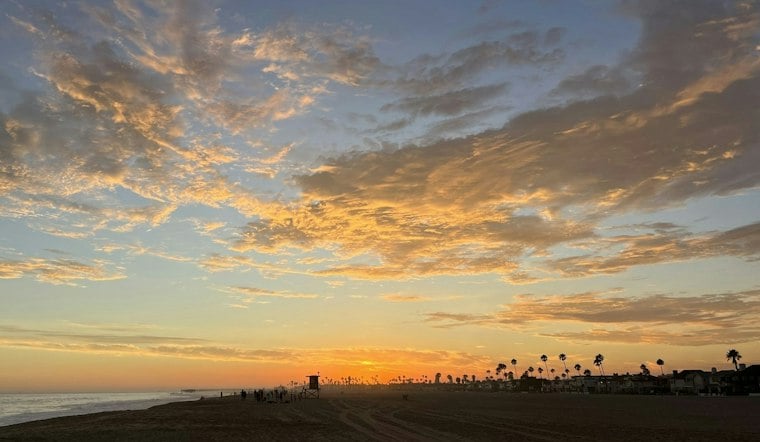
The 387-acre stretch of coastal land in Newport Beach once known as Banning Ranch has entered its first phase of construction, testing and cleanup, following a $2 million check earmarked for restoration work. The site, now called the Randall Preserve, spent decades as a working oil field before becoming the centerpiece of one of Southern California's longest-running open-space fights.
Assemblywoman Cottie Petrie-Norris presented the Randall Preserve with a Proposition 4-funded $2 million check, according to the Los Angeles Times. A separate account from Cottie Petrie-Norris's office describes the same $2 million check as being presented to the Santa Monica Mountains Conservancy for the Randall Preserve project. Petrie-Norris called the land southern California's largest undeveloped coastal property, and said the preserve would be a source of pride for the people who helped create it.
The Proposition 4 funds are intended to support climate resilience, public access and public safety, along with stewardship and operations at the site, per Petrie-Norris's office. The assemblywoman said she looked forward to partnering to make the vision a reality for Southern California, and added that restoration could eventually bring endangered species back to the area while opening coastal access for millions of disadvantaged families living nearby.
From Oil Field to Protected Wetlands
Banning Ranch was used as a working oil field beginning in the 1940s, according to the Orange County Register, which reported roughly 400 wells operating at the site at one point — the Los Angeles Times has put the historical well count at almost 500. The property's history includes 61 vernal pools that support the federally endangered fairy shrimp, along with an estimated 45 rare, sensitive, threatened and endangered species, according to the Orange County Register.
Discussions over the land's future stretch back to 1999, when Newport Beach approved a proposal to build homes on the property. The Banning Ranch Conservancy sued the city over those development plans, with the original lawsuit filed in 2012 and the city appealing in 2014. Court rulings overturned the development plans in 2015, and the California Supreme Court ultimately ruled in favor of the Banning Ranch Conservancy in 2017, ending the housing push for good.
Stewardship consultant Melanie Schlotterbeck, who works with the Coastal Corridor Alliance, has said the development plans ran into endangered-species concerns along with an unapproved coastal development permit. The Trust for Public Land went on to secure permanent protection for the property through fundraising, and by 2022 the 387 acres of wetlands and sacred Native American heritage sites had been purchased for $97 million, the Los Angeles Times reported. That purchase followed a $50 million donation from Frank and Joan Randall toward the land's purchase and preservation — described as the Trust for Public Land's largest donation — with the California Department of Fish and Wildlife also contributing funding.
What Phase One Actually Covers
The first phase of construction, testing and cleanup now underway is estimated to take roughly five years to complete, covering wetlands restoration, a new visitor center and walking paths, per the Los Angeles Times' reporting. The work is meant to restore natural habitat for local wildlife while creating a space for the community to enjoy and learn. The Mountains Recreation and Conservation Authority, Santa Monica Mountains Conservancy and Coastal Corridor Alliance are working together on the restoration, with the three organizations currently testing the preserve's wetlands.
Accounts differ on how much cleanup remains. The Los Angeles Times has reported that hundreds of oil wells and related piping and materials have already been cleaned and removed from the property, while the Orange County Register's more recent reporting describes cleanup of the former oil field as ongoing, with the site still fenced off to the public. According to the preserve's own conservation history page, the cleanup work started in 2022 and is expected to be complete by 2027.
Trails, Parking and a 2028 Target
Early plans call for five miles of trails at the preserve, including an initial one-mile hiking loop and parking for about 100 cars off 17th Street, the Orange County Register has reported. The next restoration step is a feasibility study aimed at creating new coastal wetlands in an area that has been diked for decades, with remediation and soil cleanup expected to continue at the site for the foreseeable future.
Petrie-Norris's office has said the preserve is gearing up for a phased public-access program launching in approximately 18 months. Separately, the Orange County Register has reported that officials believe the first public visitors could be touring the land by 2028 if cleanup and planning proceed as intended.
The Randall Preserve sits along Pacific Coast Highway in Newport Beach and is adjacent to three cities. It also borders other protected land, including Sunset Ridge Park and Talbert Nature Preserve, which together with the preserve make up about 1,000 acres of open space, according to the Orange County Register. A proposed unified visitor experience could eventually link all three properties with a single trail system, a connection planners estimate could cost $350,000.





