

























































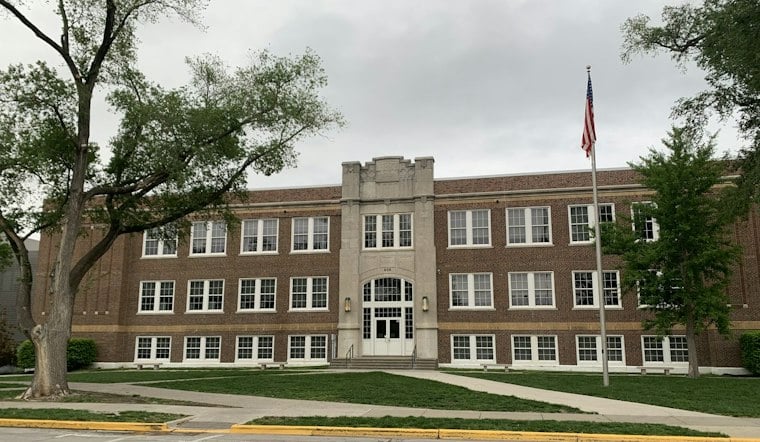
Dr. Rochel Daniels never stepped away from her desk. Even as she underwent a mastectomy, chemotherapy and radiation for breast cancer, the superintendent of North Kansas City Schools kept leading a district of more than 20,000 students, and she is now in remission.
Daniels said she was diagnosed on April 8, 2025, after a routine mammogram caught an abnormality, according to KCTV. Doctors initially believed the cancer was stage one, but that assessment changed once surgeons operated. “Once they did the mastectomy, they realized it had traveled to the lymph nodes as well,” Daniels said, pushing her diagnosis to stage two.
Treatment on a School-Year Schedule
Daniels stayed in her role as superintendent throughout her appointments and treatments, the station's report notes. Her chemotherapy infusions were scheduled on Fridays and ran about five hours each, a routine she folded around the demands of running the district. Her radiation treatment wrapped up in February 2026.
Before the school year began, Daniels chose to share her diagnosis publicly in a video message rather than keep it private, per the same account. She has said that catching the cancer early through screening gave her the time she needed to fight it — “Daniels said an early screening gave her the time to fight,” the outlet reported.
Two Decades Inside the District She Now Leads
Daniels' tenure as superintendent began January 1, 2024, following 24 years with North Kansas City Schools in which she moved from classroom teacher to Assistant Superintendent of Organizational Development and Chief of Staff, according to her official biography on the North Kansas City School District website. That long institutional history was on display as recently as this year: on February 24, 2026, she introduced the district's 2024-25 audit report during a regular session of the North Kansas City School District Board of Education.
Why Her Screening Mattered
Daniels' outcome lands against a backdrop of federal guidance on when mammograms matter most. The U.S. Preventive Services Task Force recommends biennial screening mammography for women ages 40 to 74, though a Missouri Department of Health and Senior Services page describes the same task force's guidance as applying to women ages 50 to 74 — a discrepancy the available sources do not resolve. The task force has also said evidence remains insufficient to weigh the benefits and harms of screening for women 75 and older, and insufficient to recommend for or against supplemental ultrasound or MRI screening for women with dense breasts whose mammograms come back negative.
The task force has additionally noted that Black women are approximately 40 percent more likely to die of breast cancer than White women, and are more likely to be diagnosed with cancer beyond stage one or with triple-negative subtypes. Mammography itself works by using breast X-rays to find tumors in people without symptoms, a method that allows for earlier detection and, with timely treatment, can help reduce deaths from the disease, according to the National Cancer Institute's Cancer Trends Progress Report.
For Daniels, that earlier detection translated into a fight she chose to wage in public, while keeping a 20,000-student district running day to day. She is now in remission, closing out a stretch that took her from a routine screening appointment to major surgery and months of treatment without stepping out of her role atop the district.





