

























































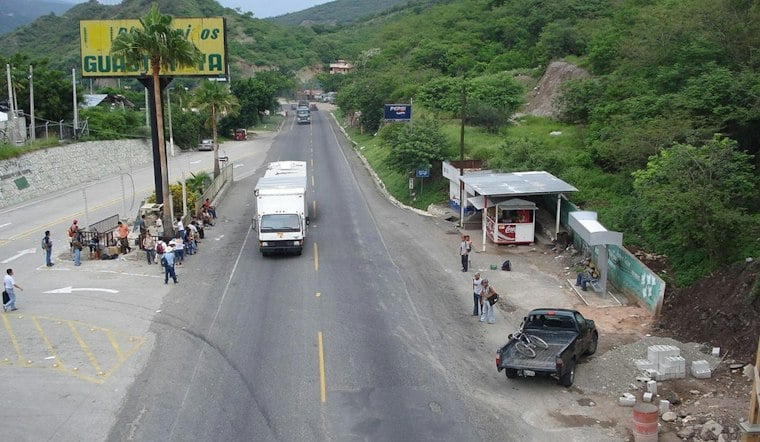
Eighteen volunteer lineworkers from Oklahoma, Iowa and Colorado spent three weeks this fall stringing power lines through the hills near Guastatoya, Guatemala, bringing electricity for the first time to two rural villages, Montenegro and El Estucal. By the time the crew packed up and headed home in October 2026, they had wired roughly 80 households, an elementary school and a local health center that had never had power before.
A Three-Week Mission Near Guastatoya
The crew worked in communities near Guastatoya, a town about two and a half hours from Guatemala City, according to The Journal Record. Over the course of the mission, the team installed 86 poles, strung approximately seven miles of line and set 11 transformers to carry power into the villages, the paper reported. Those figures track closely with earlier project plans circulated by Iowa’s Nishnabotna Valley Rural Electric Cooperative, which had outlined roughly four miles of primary line and three miles of secondary line, along with 56 primary poles, 39 secondary poles and a dozen transformers — though the dossier does not resolve whether those were the exact final totals or simply the construction estimate going in.
The new lines tie into the Municipality of Guastatoya’s electric system, which is expected to power and maintain them going forward, per the same cooperative’s account. Villagers in Montenegro and El Estucal had been living without running water, plumbing or food refrigeration, and most families depend on farming for their livelihoods, according to The Journal Record.
Linemen From Three States, One Mission
The 18-person crew included seven lineworkers from Oklahoma, seven from Iowa and four from Colorado, according to Nishnabotna Valley Rural Electric Cooperative. The Oklahoma contingent included Kyle Williams of Central Rural Electric Cooperative in Stillwater, Hagan Hedrick of CKenergy Electric Cooperative in Binger, Luke Gifford of Rural Electric Cooperative in Lindsay, Kris Spencer of Kay Electric Cooperative in Blackwell and Lakon Lynch of TCEC in Hooker, per The Journal Record. Justin Marsh, based in Oklahoma City, served as team leader for the Oklahoma Association of Electric Cooperatives, with communications support from Lance Shaw of that association and Kordale Lornes of Red River Valley REA in Marietta.
Nicki Fuller, general manager of the Oklahoma Association of Electric Cooperatives, said remote electrification projects connect electric cooperatives with their origins, according to The Journal Record. Rural electric cooperatives themselves formed during the 1930s as rural American farmers joined together to bring electricity to their own communities, a history Fuller invoked in describing the mission’s purpose. She said electricity would bring economic empowerment, better healthcare and education access, and enhanced safety to the villagers, per the same report.
Beyond the Wires: A School Kitchen and a Lighting Ceremony
Cooperative employees did more than string wire. They renovated the elementary school’s previously nonfunctioning kitchen, which received a refrigerator, freezer, new appliances, utensils and fresh paint, The Journal Record reported — work that lines up with plans described by Nishnabotna Valley Rural Electric Cooperative to upgrade the kitchen with new flooring, shelving and a refrigerator. Cooperative members across Oklahoma also funded an electric two-burner stovetop for every family and essential supplies for the health center, according to the paper.
When the work was done, cooperative employees joined residents for a lighting ceremony celebrating electricity’s arrival, The Journal Record reported. The mission was coordinated by NRECA International, the philanthropic arm of the National Rural Electric Cooperative Association, which was founded in the early 1960s and says its work has benefited more than 170 million people across 45 countries in Latin America, sub-Saharan Africa, the Middle East and Asia, per The Journal Record. The organization has specifically worked in Guatemala for more than 30 years, and NRECA International notes that between 2018 and 2023, 285 volunteer lineworkers brought electricity access to more than 7,000 people in rural Guatemalan communities.
Guatemala's Electrification Gap, and Oklahoma's Track Record
Guatemala has made real progress on electrification nationally, raising its rate from 52% in 1996 to 90% in 2023, according to the Inter-American Development Bank. Even so, that figure trails the regional average of nearly 98%, and the bank estimates about 380,000 Guatemalan households still lack electricity, with rural coverage sitting at 82%. A separate IDB-supported rural electrification program backed by a $250 million loan is expected to extend new access to approximately 70,000 households.
This mission marked the eighth electrification project Oklahoma’s electric cooperatives have sponsored in Central and South America, work funded through the Oklahoma Energy Trails Foundation, a 501(c)(3) nonprofit the cooperatives created to support the effort and which has sponsored projects since 2016, according to The Journal Record. The foundation accepts tax-deductible contributions. Collectively, Oklahoma’s cooperative missions have made possible nearly 1,000 first-time electric connections, the paper reported. Oklahoma’s rural electric cooperatives power more than 1.1 million Oklahomans today, part of a national network of rural cooperatives serving 42 million people.
Other states’ cooperatives have run similar missions in Guatemala in recent years. Tennessee electric cooperative volunteers built eight miles of power lines in the Guatemalan mountains, according to America’s Electric Cooperatives, while volunteers from eight North Carolina cooperatives wired 55 Guatemalan homes for first-time electricity, constructing more than three miles of line by hand and raising nearly $280,000 for that project, the same organization reported.





