

























































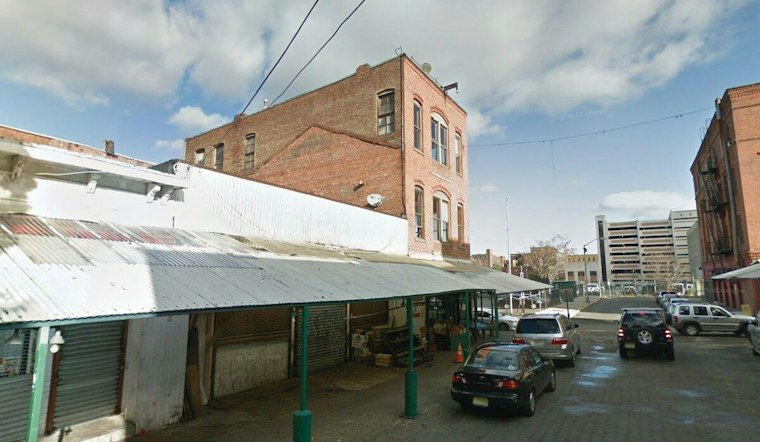
Paterson officials, school leaders and environmental advocates picked up shovels on Wednesday to break ground on the Fair Street green street project, a set of four landscaped stormwater planters aimed at easing flooding, sewer backups and polluted runoff headed for the Passaic River. The planters are designed to collect and absorb rainwater before it ever reaches the city's sewer system. It is a quiet, leafy answer to a very loud problem in a city where heavy storms regularly overwhelm the pipes.
According to TAPinto Paterson, Mayor Andre Sayegh attended the ceremony and described green infrastructure as a solution to chronic flooding, sewer overflow and climate change. He said Paterson intends to keep pushing infrastructure improvements that address flooding and environmental challenges. The project sits near School 6, and the school's principal, Dr. Sherri Brackett, and Paterson Public Schools Superintendent Dr. Laurie Newell both took part in the groundbreaking.
Roger Gee Grier, a local activist with Paterson Cares, welcomed the project's progress after years of planning, the report notes. A community-led effort supplied feedback from residents and local organizations throughout that planning process. Rutgers Cooperative Extension's Water Resources Program helped develop the project, and the Nature Conservancy, Rutgers University and state environmental officials all participated.
Four Planters, 16 Tanker Trucks' Worth of Water
The Nature Conservancy's cities stormwater lead, Lisa Leone, said the four planters will manage roughly 150,000 gallons of stormwater a year, the equivalent of 16 tanker trucks. That figure comes from Leone as reported by TAPinto, and no completion date for the project has been announced. The City of Paterson's sustainability page describes the broader Fair Street effort as including rain gardens, permeable pavements and bioswales meant to manage stormwater, reduce flood risks and beautify the area.
The work was funded through the New Jersey Department of Environmental Protection's Water Quality Restoration grant program. Amanda Nesheiwat, the department's director of local government engagement, said flooding is a concern raised by mayors throughout New Jersey. She also noted that green stormwater projects can receive less attention than traditional infrastructure improvements.
Why Paterson's Pipes Can't Keep Up
Paterson runs a combined sewer system, which carries rainwater and household and business wastewater in the same pipes. When heavy storms overwhelm that system, the result can be sewer backups and untreated sewage overflows into waterways. Rutgers' Water Resources Program counts 24 combined sewer overflows in the city that discharge to the Passaic River. It also says the city's aging sewer and water infrastructure struggles to meet current demands, with large areas subject to frequent flooding.
The point was driven home in late July, when twenty people were rescued from heavy rain and flooding, according to city officials cited by News 12 New Jersey. Sayegh said then that the aging drainage and sewer system “can't keep up with this type of flash flooding.”
A Pilot With Bigger Hopes
Officials hope the Fair Street improvements can serve as a pilot for similar installations around Paterson and the wider Passaic River watershed. Fifth Ward Councilman Luis Velez said he wants the city to extend the approach to other flood-prone neighborhoods. Rutgers' earlier green-infrastructure feasibility study, done with the Passaic Valley Sewerage Commission, identified 20 sites in Paterson where such practices could be installed.
Green streets work by using features like street trees and rain gardens to capture and treat stormwater at its source, as Jersey Water Works explains. Hoboken did it along Washington Street with 15 rain gardens, and Camden built a rain garden at a former gas station to tackle combined sewer overflows. Paterson now gets its own version, starting with four planters.
River Street Work Runs Alongside
TAPinto also points to a separate $10 million River Street infrastructure project that includes roadway resurfacing and repairs to a sewer line more than 100 years old. The reporting does not establish that River Street is part of the Fair Street project, so the two are best read as parallel efforts. Together, they signal a city trying to get ahead of the next storm.




