

























































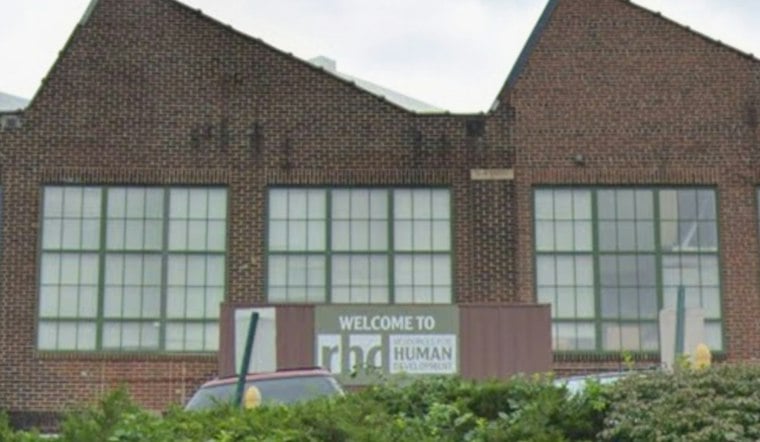
Pennsylvania regulators have revoked the license held by Resources for Human Development to operate homes for people with intellectual disabilities across Southeastern Pennsylvania, following the February death of a Philadelphia resident after what investigators say was medical neglect. The resident was found dead on the morning of February 23. State investigators concluded the death stemmed from serious neglect and systemic failure within the organization.
Warnings Went Unanswered Before Resident Died
According to the Inquirer, state Department of Human Services documents found that RHD failed to ensure health and safety, failed to provide timely medical intervention, and did not adhere to individual support plan requirements. The same documents show that an assistant regional director had alerted RHD's CEO and other senior leaders in January to the resident's need for therapeutic and behavioral support. Despite that warning, the report notes, RHD did not seek a medical evaluation for the individual before the death weeks later.
RHD operates 91 homes and serves 136 residents across Southeastern Pennsylvania, per the same account. The organization has the right to appeal the revocation and can continue operating homes while that process plays out, though Pennsylvania says it will conduct additional unannounced inspections of RHD facilities during the appeal.
Regulators Stepped In After Corrective Plan Fell Short
RHD's own management failed to submit an acceptable plan to fix the regulatory violations identified by the state, the Inquirer's report notes, which led Pennsylvania officials to issue their own corrective plan on September 2. Inperium officials and RHD officials did not respond to requests for comment, according to the outlet's reporting.
RHD was taken over roughly two years before the revocation by Inperium Inc., a fast-growing nonprofit based in Reading, at a point when RHD was reportedly on the verge of bankruptcy. RHD provides services in 12 states, employs 2,800 people, and reported $280 million in revenue for the year ended June 30, 2025, per a bond offering statement cited in the same reporting. RHD's fiscal 2026 financial results are not yet public.
Sister Nonprofit Faced Similar Scrutiny Last Year
Inperium also owns Supportive Concepts for Families, another Pennsylvania provider whose license Pennsylvania regulators revoked last year following at least four deaths, 11 abuse incidents, and dozens of cases of neglect documented in the year ended February 2025. That revocation covered 103 of Supportive Concepts' group homes across northeastern Pennsylvania, and the organization has operated under a revoked license since April 2025, unable to open new homes or accept new clients in existing properties under the terms of that action.
Seventeen Supportive Concepts facilities in Western Pennsylvania have operated under provisional licenses since February, requiring their own correction plans, and were still under those provisional terms as of August 26, according to a separate Inquirer report on the organization. Pennsylvania subjects providers to more frequent, unannounced inspections during appeals, that reporting notes — the same enhanced-scrutiny approach now being applied to RHD.
The broader toll has drawn attention from state data: Pennsylvania recorded 25 choking-related deaths in group homes for intellectually disabled individuals over the three and a half years through June 30, according to the same report on Supportive Concepts. That report also detailed the death of Joey Shevenock, a 52-year-old resident of an Exeter Township group home, who died three days after choking on rice and suffering cardiac arrest; his family has hired a lawyer and plans to sue Supportive Concepts, alleging negligence contributed to his death. Inperium reported $819 million in revenue for the 12 months ending June 30, per the same account.
What Pennsylvania's Licensing Rules Require
Under Pennsylvania's regulatory framework for community homes serving people with intellectual disabilities or autism, agencies are required to use the Department's own licensing inspection instrument to measure and record compliance, and must keep self-assessment results and written correction summaries on file for at least one year, according to Pennsylvania Code and Bulletin. Providers seeking to challenge a licensing decision must file a petition with the Clerk of Commonwealth Court of Pennsylvania, per guidance from the Pennsylvania Department of Human Services.





