

























































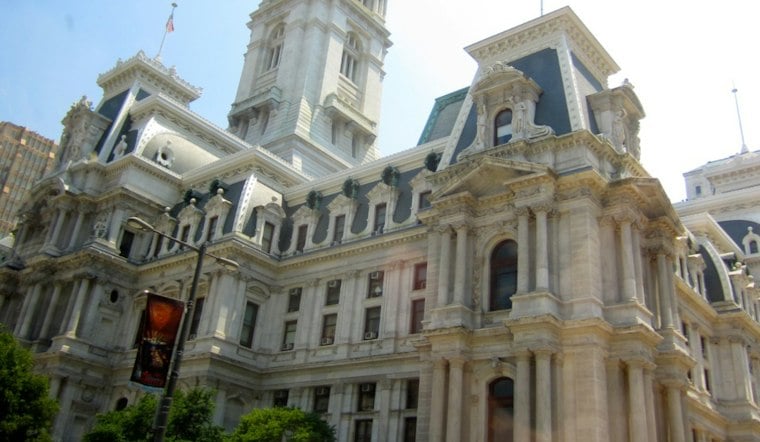
Philadelphia City Council voted unanimously Thursday to endorse a nationwide boycott of Starbucks, pledging that the city will not spend public money at the coffee giant until it reaches a contract with its unionized baristas. The resolution is ceremonial, carries no weight of law, and does not require sign-off from Mayor Cherelle L. Parker.
What the Resolution Actually Does
According to the Philadelphia Inquirer, the measure was authored by Councilmember Nicolas O’Rourke and directs the city to avoid spending taxpayer dollars at Starbucks locations until the company and Starbucks Workers United settle a contract. The vote makes Philadelphia one of a small number of cities to formally throw its weight behind the union's cause, with the Inquirer noting that St. Louis is the only other city to have taken similar action.
Starbucks Workers United has been pushing for a first nationwide contract since late 2021, the same account notes, even as baristas have unionized at hundreds of individual stores in the years since. The company has not agreed to that broader contract, and Starbucks has said only that it remains committed to engaging in productive bargaining, per the Inquirer's reporting.
A Boycott Years in the Making
The union formally called for the nationwide boycott in August, with the stated goal of keeping pressure on the company until an agreement is reached, the Inquirer reports. That call followed years of escalating labor actions, including a walkout detailed by Reuters in which more than 1,000 unionized baristas across more than 40 cities, including Philadelphia, launched an indefinite strike over pay and staffing on Red Cup Day last November.
Labor outlet Labor Notes reported that three thousand baristas across 100 cities took part in what the union called its largest and longest strike to date that same November, with some workers remaining on strike into January. The outlet also reported that the AFL-CIO has endorsed the boycott and that the 25,000-member Chicago Teachers Union voted to join it on August 26.
Money on the Table
Part of the standoff centers on pay. CNBC reported that Starbucks Workers United sent the company a comprehensive proposed contract that called for a starting wage floor of $17 an hour, up from Starbucks' current starting pay of $15.25 to $16 an hour across 43 states, along with annual raises and expanded workplace protections. Starbucks, for its part, said it had proposed resuming in-person bargaining on March 30 and remaining available through April, according to the same report.
Figures on how many workers the union actually represents vary by source and by date. CNBC put Workers United's footprint at about 6% of Starbucks' company-owned U.S. locations, while HuffPost reported that workers at more than 700 of the company's roughly 11,000 North American stores have voted to unionize since late 2021 without yet landing a contract. Reuters, reporting in November, put the figure at about 550 U.S. stores and roughly 9,500 workers, and Labor Notes has cited 12,000 unionized baristas nationwide.
Closures Add to the Tension
The boycott push has unfolded alongside a wave of Starbucks store closures. The Philadelphia Business Journal reported that the company is shutting three more Philadelphia-area stores as part of a nationwide reduction of 250 locations, following six Center City closures last year. Starbucks has said the roughly 250 closures amount to about 1% of its more than 18,000 North American stores, and the union has said 20 of those closing locations are unionized, according to the Inquirer's business desk.
Beyond Philadelphia, the boycott campaign has drawn in other pressure points. Common Dreams reported that at the peak of a monthslong nationwide strike, roughly 4,500 baristas picketed at 230 stores in more than 130 cities. Separately, the National Labor Relations Board found that Starbucks violated federal labor law by discharging a known union supporter because of her organizing activity and participation in Board proceedings, a finding a reviewing court upheld in full, according to the National Labor Relations Board.
For now, Philadelphia's resolution adds political symbolism rather than legal force to a fight that has dragged on for roughly five years. Whether it nudges Starbucks back to the bargaining table, or simply joins a long list of boycott endorsements from unions and city councils, remains to be seen.





