

























































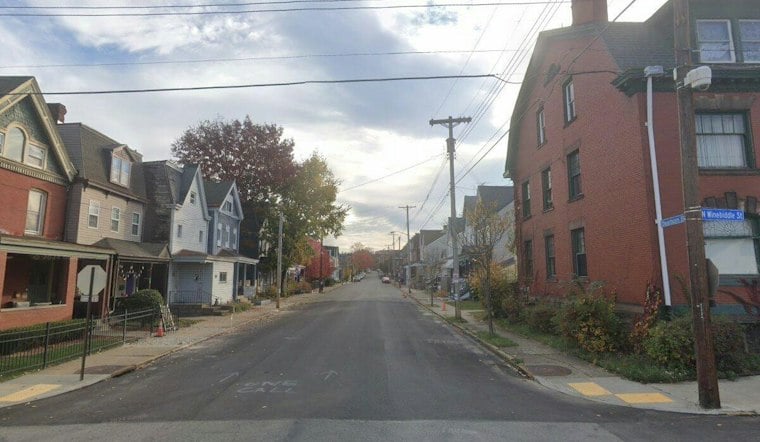
Pittsburgh residents who once hoped to snap up the empty lot next door for a few hundred dollars may get another shot, as a city councilmember has introduced legislation to bring back the long-dormant Side Yard Sale Program. The proposal comes after the program sat suspended for the last two years, following a contentious 2024 debate over pricing, eligibility and transparency.
Councilmember Bob Charland introduced the legislation aimed at reestablishing the program, which, per his description, gives owner-occupants a simplified way to acquire adjacent city-owned parcels at below-market prices. The updated version seeks greater transparency about lot acquisition costs, according to WPXI, and specifically addresses misconceptions that side lots could be purchased for a flat $200 fee.
Why the Program Stalled in the First Place
Pittsburgh City Council voted 6-3 to suspend the Side Yard Sale Program and stop accepting new applications on October 29, 2024, according to 90.5 WESA. The program had let property owners buy adjacent city-owned vacant lots for around $200, and it was designed to move vacant parcels back onto the tax rolls while giving residents more green space and yard room. Charland was among three councilors, along with Anthony Coghill and Theresa Kail Smith, who voted against the suspension.
About 10 applications already in the system kept moving forward even after the vote, the outlet's report noted. Earlier that same year, council members had weighed alternatives like raising the purchase price or granting adjacent owner-occupants a right of first refusal, rather than shutting the whole thing down. Some of that debate centered on whether the discounted price should go only to people who actually live next to the lot, cutting out landlords and absentee owners.
A Calculator to Replace the Flat Fee Myth
The city's finance department is now developing a calculator to help prospective buyers estimate their total lot acquisition expenses, which include variable fees such as deed transfer tax. Charland stressed the importance of a clear pricing structure for prospective buyers and said the program is committed to upfront pricing. He put it bluntly, saying he does not want the program to resemble buying concert tickets, where a reasonable listed price balloons with added service fees at checkout.
Jennifer Gula, the city's director of finance, supports the program's return and said residents have been asking for its comeback. She said the new version should be easier for residents to use and understand, while also being more sustainable for her department to operate, calling the program a win-win for everyone.
What Would Stay the Same
The proposed legislation retains the deed restrictions that have governed the program from the start. Those restrictions bar new construction on acquired lots and limit purchasers to non-structure improvements like creating a garden, green space, a pool or a deck, according to the same WESA report. Any sale still has to clear city council, which must approve any property sale under the program.
Charland said the initiative has succeeded in local communities, particularly in Pittsburgh's Hilltop neighborhoods, where it has helped transfer underused and poorly maintained city land to residents who can extend their yards and maintain the properties. The program's broader goals, as described in the legislation, include making city processes more user-friendly, encouraging neighborhood investment, promoting productive reuse of vacant parcels and returning properties to the municipal tax rolls.
Lingering Questions and a Garfield Lot in Limbo
One factor that fed the original suspension was a lack of bookkeeping. The Pittsburgh Community Reinvestment Group noted the city was unable to account for how many properties had actually gone through the Side Yard Sale Program over the years, a gap that fed broader frustration over oversight. Separately, concerns raised during the 2024 council debate included worries from Councilor Bobby Wilson that proposed zoning changes could make some vacant lots candidates for housing construction, raising the stakes of giving them away cheap.
The Pittsburgh Land Bank has continued assisting select Side Yard Sale applicants who previously applied to purchase property from either the city or the Urban Redevelopment Authority, including a parcel on Dearborn Street in Garfield listed under parcel number 50-K-257. The Land Bank also notes that sales through the city are exposed to an open bid process, which could prevent a specific applicant from ultimately obtaining a given property. Under Pennsylvania law, no city-owned real estate may be sold without council approval by resolution, and sales above $6,000 generally require public notice and competitive bidding.
Pittsburgh is far from alone in offering this kind of arrangement. Baltimore runs a similar Side Yard Program that lets neighbors purchase adjacent vacant lots as-is for gardens, landscaping or fencing, while Chicago's version prioritizes lots with limited redevelopment potential to encourage long-term stewardship by owner-occupants next door. Whether Pittsburgh's revived version ends up resembling either model remains to be seen as Charland's legislation moves through the council process.





