

























































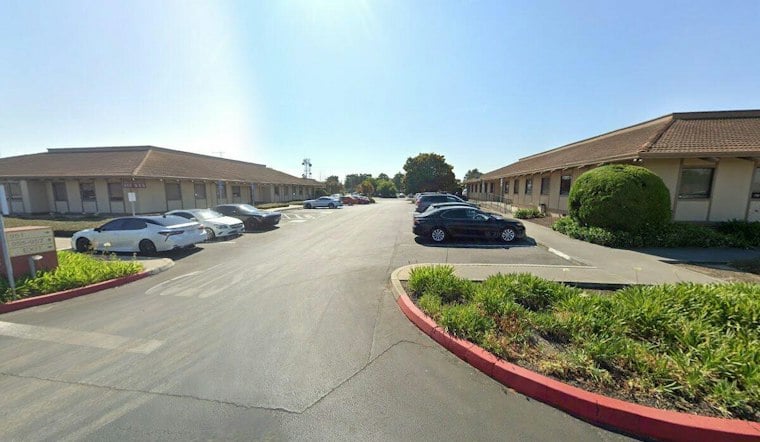
A new mental health clinic has opened in Salinas offering free therapy to Latino and farmworker families, part of a broader push to close a care gap that has left many Central Coast residents without support for years. The clinic, run by the nonprofit ALAS (Ayudando Latinos a Soñar), held its ribbon-cutting ceremony on September 30 at 947 Blanco Circle, Suite B.
The 2,900-square-foot space includes four offices, a conference area, and a room designed specifically for child and parent psychotherapy, according to Monterey County Now. The clinic provides culturally responsive mental health care and wraparound services geared toward Latino and farmworker families, as Yahoo News reports, and as CBS News first reported, the Peninsula-based support group also unveiled a mobile resource center as part of the expansion.
Staff told KSBW, “We do the individual therapy, we also do family therapy, couples therapy,” describing a roster of services that also includes child-parent psychotherapy, arts and culture programming, and dance classes. Initially, services in Salinas will be offered at no cost through grant funding, per the same Yahoo News account. The Salinas team will start with just four people, though the organization expects it to grow in response to community needs, the Monterey County Now report notes.
Roots in a Years-Long Local Partnership
The Salinas clinic did not appear overnight. ALAS began building relationships in the county in the summer of 2025 after being invited to participate in a Migrant Education conference, according to a post from the organization's own site. The clinic eventually grew out of partnerships with groups already serving the region, including the Monterey County Office of Education's Migrant Education Program and Salinas Valley Health.
ALAS has built ties to the community it now serves. Looking ahead, ALAS plans to become a Medi-Cal provider and expand beyond individual counseling into group, family and couples therapy along with community education programs, the article notes.
A Wait That Can Stretch 15 Years
The clinic's opening addresses a gap that researchers and ALAS leadership describe in sobering terms. On the policy side, cost or lack of insurance remain the most significant barriers to health care for farmworkers, according to a study from the Public Policy Institute of California, which found that more than 90% of California farmworkers are immigrants and over half of immigrant farmworkers are undocumented. The same research found that Medi-Cal expansion has helped many documented farmworkers gain coverage, while undocumented workers have seen far less improvement.
Martinez, speaking to the Monterey Herald, said Latinos wait an average of 15 years between first experiencing symptoms of a mental health disorder and seeking care.
A Bus Bringing Therapy to the Fields
Beyond the Blanco Circle storefront, ALAS also operates a mobile behavioral health effort described in its own materials as the Farmworker Equity Express, a bus converted into a mobile clinic designed to bring services directly to farmworker camps and other underserved communities, per the Monterey Herald. Monterey County Now's report instead refers to the program as the Health Equity Express, so the exact official name of the mobile unit remains unclear. Either way, the resource center brings Wi-Fi, nutrition services, tutoring and counseling directly to workers in the fields, according to a separate ALAS post.
The Monterey Herald reports that funding for the clinic comes from Kaiser Permanente, Life Science Cares and The Westly Foundation. ALAS also plans to bring a mobile bus to Monterey County, and the Gilead Foundation, Life Science Cares Foundation and The Westly Foundation are among its named funders. ALAS has pointed to its retention numbers as evidence the model works: more than 70% of its clients remain in care for at least 12 sessions, according to Monterey County Now, a figure the outlet contrasts with roughly half of Spanish-speaking clients nationally who stop attending therapy after a single visit.



