

























































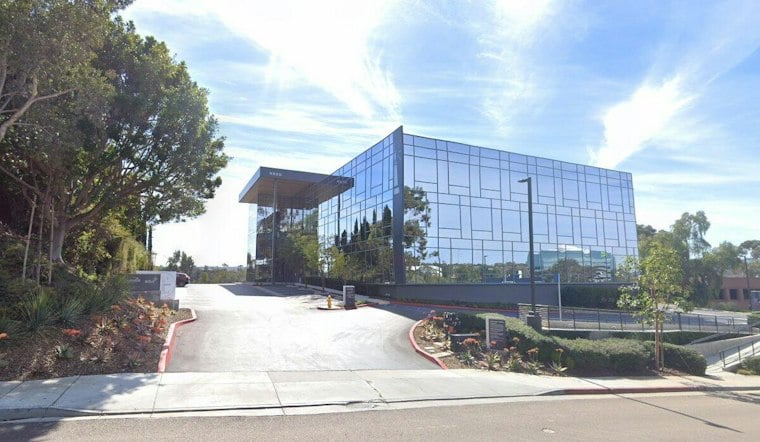
Artiva Biotherapeutics is abandoning its lead experimental cell therapy and slashing roughly 94% of its workforce after two patients died during a clinical trial testing the treatment for autoimmune disease. The San Diego-based company, headquartered at 5505 Morehouse Drive, announced the decision Tuesday, just months after federal filings showed it was still planning to grow.
The therapy, known as AlloNK, was an off-the-shelf natural killer cell treatment that Artiva had positioned as its most promising candidate, being tested in a mid-stage trial for autoimmune conditions including rheumatoid arthritis, according to Reuters. One trial participant died after a fatal neurological event, and both an investigator and an independent safety review board assessed that death as likely related to complications from fludarabine, a chemotherapy drug used in the study regimen. A second participant died suddenly about two months after starting treatment, which an investigator assessed as unrelated to AlloNK, though the exact cause of that death was not determined, per BioPharma Dive.
A Drug That Looked Promising, Then Didn't Hold Up
Beyond the deaths, the company said AlloNK's longer-term results simply did not show the durability needed to justify moving forward with a planned Phase 3 trial, according to the San Diego Union-Tribune. Earlier data had shown initial effectiveness, but the updated numbers reported by the company fell short of what was needed to keep the program alive. After the first fatal event, the FDA asked Artiva to pause its ongoing Phase 2a trial, and the company says it also halted planned enrollment and dosing in a Phase 3 study, per the same BioPharma Dive account.
Artiva, founded in 2019, built its pipeline around therapies using donor killer cells meant to harness the body's natural defenses against autoimmune conditions. The company had been scaling up as recently as June 2026, when federal filings showed 115 full-time employees and plans for continued growth — a sharp contrast to Tuesday's announcement that it will cut staff down to a small fraction of that number. By the end of 2025, the company reported 104 full-time employees, and spent about $25 million total that year, including $11.8 million on drug development and $10.8 million on personnel, according to Reuters.
CEO Offers Condolences as Company Weighs Its Future
Dr. Fred Aslan, Artiva's chief executive officer, said the company was deeply saddened by the deaths and offered condolences to the families, per the Union-Tribune's reporting. Noopur Batsha Liffick, Artiva's head of investor relations, said the company has no specific timeline and is exploring alternatives to maximize shareholder value, a statement also reported by the Union-Tribune. Company executives are now weighing options including a sale, merger or liquidation, and have hired a financial adviser to begin a strategic review, according to BioPharma Dive.
As of September 30, Artiva had about $319.1 million in cash, cash equivalents and investments on hand, Reuters reported — a cushion that came roughly five months after the company had raised about $300 million from investors, according to the Union-Tribune. That cash will need to cover wind-down costs tied to severance, trial terminations, site obligations, its San Diego facility lease and partner agreements, the Union-Tribune reported. News of the shutdown sent Artiva's shares tumbling 32% on Tuesday, according to Reuters, with the Union-Tribune separately putting the drop at about 31%, to around $4.23 a share. The company also canceled planned presentations of its study findings along with a Nov. 9 investor call, BioPharma Dive reported.
Part of a Broader Retreat From Autoimmune Cell Therapy
Artiva's reversal lands amid a wave of caution across the industry over cell therapies for autoimmune disease. In August, Novartis and Bristol Myers Squibb paused multiple trials over safety concerns, with Novartis reporting three deaths from a serious immune reaction linked to its CD19 program, specifically tied to immune effector cell-associated hemophagocytic syndrome, according to Fierce Biotech. Bristol Myers Squibb separately disclosed that a patient died 44 days after receiving a dose of its cell therapy zola-cel, per BioPharma Dive. Those two companies had independently paused their CAR-T autoimmune programs roughly two months before Artiva's own setback, Fierce Biotech reported.
AlloNK remains an investigational therapy that has never been approved by the U.S. Food and Drug Administration, according to Artiva's own pipeline disclosures. For now, the company's future — whether it sells, merges or winds down entirely — remains an open question that executives say they are still working through.





