

























































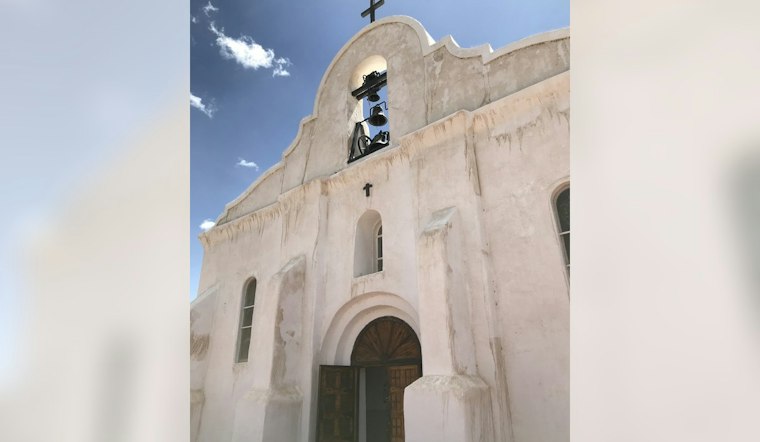
San Elizario's Día de los Muertos Festival returns to the historic placita on Nov. 1 at 5 p.m. at the 1521 San Elizario Road grounds. The festival also features a catrín and catrina costume contest.
A City of Socorro, Texas – Government Facebook post shares the event flyer. The historical society, founded in 1991 and incorporated as a Texas nonprofit in 1997, manages local archives and historic sites in the district including Los Portales Museum, the Old County Jail and the Veterans Museum, according to the San Elizario Genealogy and Historical Society. Commissioner Holguin represents Precinct 3, which covers 55 percent of the county's unincorporated land across the Mission Valley, including San Elizario, Socorro, Clint, Fabens and Horizon City, per El Paso County records.
Catrín and Catrina Costume Contest
The festival also includes a catrín and catrina costume contest.
Las Catrinas Photography Exhibit
Las Catrinas is a photography exhibit.
Quintana's street and community photography previously appeared in the El Paso Museum of History's Pasos Urbanos borderland art showcase, which focused on regional culture across the El Paso-Juárez border region. The pairing of a themed photo exhibit with the festival gives visitors another reason to linger at Los Portales beyond the music and food trucks outside.
A Placita Steeped in Centuries of Border History
The festival's setting carries its own weight of history. Los Portales itself was built in the early 1850s as an adobe residence for Gregario Nacenieno Garcia, a Texas Ranger captain and El Paso County judge, who donated the home to the community in the 1880s for use as a school, according to Texas Time Travel. Today it functions as a visitor center and museum inside the San Elizario Historic District, which was added to the National Register of Historic Places in 1997 and designated a Texas State Cultural District in 2013.
That district sits along the El Camino Real de Tierra Adentro, a 1,200-mile historic route through the Mexican interior, with a separate 400-mile U.S. portion in New Mexico and West Texas, according to the National Park Service. Local historical tradition traces San Elizario's origins to Juan de Oñate's 1598 journey and to a presidio developed around 1789, according to Texas Highways.
A Fall Gathering for Border Cultural Tourism
The Nov. 1 gathering adds to the region's fall cultural calendar.





