

























































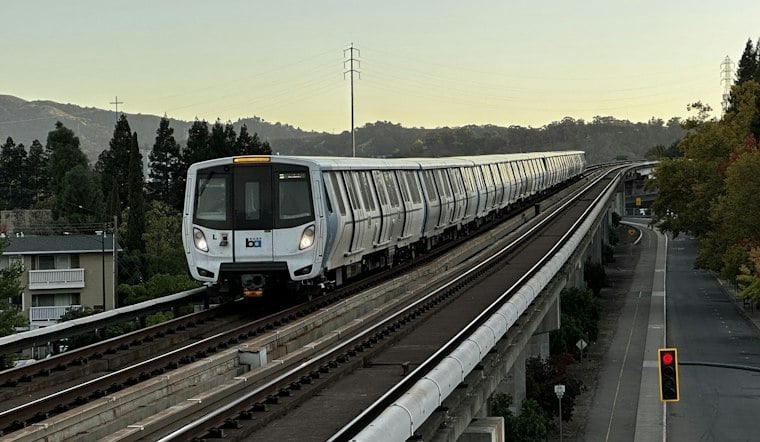
San Francisco households that swap car ownership for transit passes could pocket $1,536 a month, or $18,437 a year, according to a new industry analysis that ranks the city first among 20 major U.S. metros for potential transit savings. The estimate assumes a commuter who parks downtown for work, and it puts San Francisco ahead of New York and Boston in a study built around the true cost of owning and running a vehicle.
How the Numbers Stack Up Nationally
The analysis comes from the American Public Transportation Association, whose research compares the cost of a monthly transit pass against the full cost of owning and operating a car, according to APTA. Nationally, the group says a household that gives up driving for transit can save an average of $14,100 a year, or nearly $1,200 a month, with higher vehicle prices, interest rates and gas prices all factored into the car side of the ledger. As reported by KRON4, the report also notes that public transportation fares have not increased at most agencies since 2022, even as car ownership costs have climbed, and that the car-cost side of the comparison draws on national and state average gas prices reported by AAA.
San Francisco's $18,437 figure was 9.5% higher than the same report a year earlier and $4,307 above the national average of $14,130, according to the San Francisco Examiner. New York City ranked second, with households there potentially saving $1,533 a month, or $18,394 a year, by giving up their cars, per KRON4's account of the report. Boston came in third, with an estimated $1,460 a month, or $17,521 a year, in potential savings, while Houston and Honolulu rounded out the top five, KRON4 reported. Annual savings across the other 19 cities studied ranged from $12,000 to more than $18,000, the Examiner notes.
What's Driving the Local Edge
APTA President and CEO Paul P. Skoutelas said using public transportation is one of the simplest ways families can save money every month, according to KRON4's report on the findings. He added that savings from gas, insurance, repairs and parking can be significant and can help cover rent, groceries, health care and other needs, and that public transportation can reduce monthly costs tied to commuting, errands and appointments. Skoutelas also said sustained federal investment helps ensure public transportation remains available to the families who rely on it.
Several local programs already chip away at the cost of riding instead of driving in San Francisco. BART increased its means-based fare discount from 20% to 50% in January 2024, and the Examiner reports the program now has more than 200,000 enrolled participants, up from roughly 50,000 monthly users at the end of 2023. SFMTA, for its part, provides free Muni service to residents 65 and older and to qualifying disabled residents at or below the regional area median income, the Examiner notes, while riders 18 and under already ride free on regular Muni service aside from cable cars, according to SFMTA. Muni also knocks $2.85 off the adult Clipper fare for riders transferring from a connecting agency within two hours of their first trip, though MuniMobile's single-ride passes became unavailable effective September 1, 2026, per the same agency.
Ridership Keeps Climbing Even as Costs Rise
The savings estimate lands amid a broader national rebound in transit use. Riders nationwide took 8.1 billion trips in 2025, a 6% increase from the year before and the fifth consecutive year of ridership growth, according to APTA. The group's April 2026 policy brief found ridership grew an estimated 12% from February to March 2026 alone, even as average gas prices climbed to $4.10 a gallon by late March. Locally, SF Bay Ferry carried more than 308,000 passengers in September, a 5% increase over the same period in 2019, the Examiner reports.
Two Ballot Measures Could Shape the Calculus
San Francisco voters are also preparing to weigh in on transportation policy at the ballot box. Next month, they'll decide whether to reopen the Great Highway to car traffic, with Proposition G proposing to allow cars on the road Monday through Friday while keeping it a car-free park on weekends, according to NBC Bay Area. The city's Controller's Office estimates that retrofitting the corridor for car traffic, including new signals, restriping, signage and the removal of park amenities, could cost roughly $10 million. KRON4 also reported that voters are set to consider a 1% sales tax meant to fund BART, Muni, Caltrain, AC Transit and other Bay Area transit agencies, a measure that could directly affect the fare and service landscape behind these savings estimates in the years ahead.


