

























































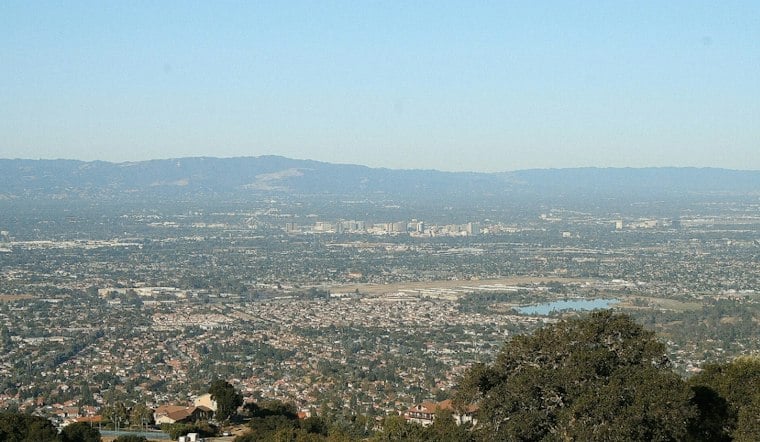
San Jose officials are telling residents to get ready now for what forecasters are calling a potentially historic wet season, pointing people toward storm drain hotlines, sandbag pickup sites and flood maps before the heaviest rains arrive. The push comes as federal weather agencies predict stronger storms and potential flooding brought on by El Niño this winter, with the city and Santa Clara County rolling out resources meant to help residents prepare and cut down on community risk.
The urgency traces back to forecasts described by The Mercury News, which reported that strong El Niño conditions are increasing the chances for a rough and very wet winter across Northern California. The outlet noted that NOAA has put the odds of a strong El Niño persisting through March at 100%, with an 83% probability it becomes the strongest such event in modern records. Forecast models cited in that reporting projected 165% of normal rainfall for Northern California between January and March, with sea levels potentially running 2 to 3 feet higher than normal and low-lying spots — including Alviso in San Jose — flagged by UC Davis researchers as especially vulnerable.
Why San Jose Isn’t Taking Chances
A SPUR article questioned whether San Jose was ready for future floods after Coyote Creek.
Residents can sign up for alerts in San Jose and Santa Clara County at AlertSCC.com. Storm preparedness information for the city is also available at bit.ly/sj-stormready, and officials are asking residents to remain alert and prepared as the wet season approaches.
Where to Report Flooding, Blocked Drains and Illegal Dumping
For anything life-threatening, residents should call 911. For storm-related issues such as localized flooding, missing or broken manhole covers, or downed tree limbs, the city directs residents to call (408) 794-1900, a number also listed by the city for running water in the street, sanitary sewer overflows and unknown substances, according to sanjoseca.gov. Spills and illegal dumping can be reported separately at 408-945-3000, and the city says it dispatches response staff immediately for those reports.
Santa Clara Valley Water asks residents to report downed trees, creek blockages and illegal dumping through its channels, according to Valley Water. Residents can flag damaged fences, gates and signs, in-stream vegetation, spills, discharges, erosion and other creek concerns directly to the agency, while local street flooding caused by a spill, dumping or a blocked storm drain should go to a city's own Public Works Department, per the same account. Yard waste, leaves and soil can obstruct drains and cause local flooding on their own, Valley Water notes, which is part of why San Jose officials are asking residents to clear leafy debris from nearby gutters before it clogs the system.
Illegal dumping violations can also be reported to Valley Water's Pollution Hotline at 888-510-5151. The agency's guidance is specific about what belongs in a storm drain at all: only clean water may be dumped or allowed to flow into one, and examples of illegal discharges include pesticides, vehicle-washing water, sewage, automotive fluids, paint, construction waste, sediment and food waste.
Sandbags, Storm Drain Maintenance and a Citywide Adoption Program
San Jose says it inspects and cleans all storm drain inlets within the public right-of-way at least once a year, maintenance the city says directs runoff to the storm sewer system and intercepts pollutants that would otherwise reach creeks and the bay. Separately, the city has described inspecting, cleaning and maintaining 35,000 storm drain inlets and 31 stormwater pump stations each year as part of its broader storm-season preparation, according to sanjoseca.gov.
Valley Water offers free sandbag distribution for Santa Clara County residents from November 1 through April 15 each year, asking residents to take only what they need. Pickup locations in San Jose include the City Central Service Yard at 1661 Senter Road at Phelan Avenue, a site at 5030 N. First St. in Alviso, and a site on Winfield Blvd. between Blossom Hill Road and Coleman Avenue. Residents can check filled sandbag supply status through live webcams at the Central Yard, Alviso and Morgan Hill sites, per valleywater.org.
San Jose's Adopt-a-Storm Drain program, which launched in 2024, lets community members, businesses and schools sign up to help keep individual drains clear of debris. The initiative, first launched as a pilot on Earth Day, has since expanded citywide and now includes more than 100 participants, aiming to prevent neighborhood flooding by keeping storm drains flowing, according to the San Jose Standard.
Checking Flood Risk and Insurance Before the Rain Comes
For questions about flood risk, interpreting FEMA maps, flood insurance or elevation and construction certificates, Valley Water directs residents to contact their local floodplain manager.
Packing a Stay Box and a Go Bag
Residents preparing for emergencies can put together a stay box for sheltering in place and a go bag for evacuation.
A go bag is intended for use during an evacuation.





