

























































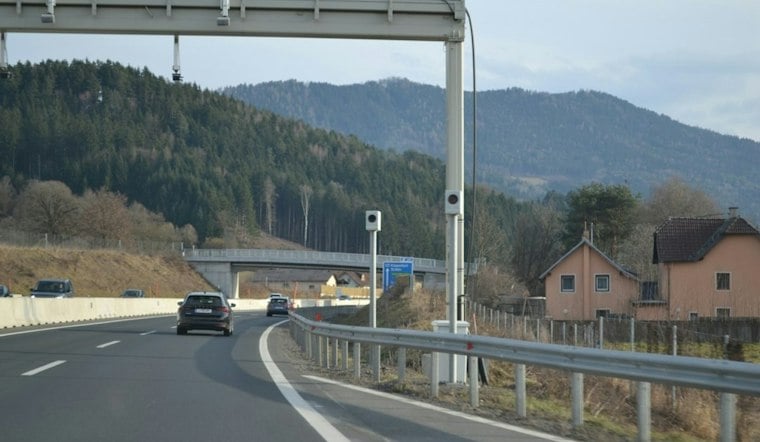
San Jose has begun bolting speed-enforcement cameras onto poles across the city, with 33 devices going up in every City Council district as the death toll on local roads climbs toward a grim milestone. Two of the cameras are already in place on Saratoga Avenue, installed near the site of a motorcycle crash that killed a woman several weeks ago.
The citywide rollout, first reported by ABC7 News, places the cameras at locations chosen for their crash history and pedestrian-protection needs. It comes as San Jose logs one of its deadliest years on record: the city recorded its 41st traffic-related death of 2026 after a head-on collision near East Capitol Expressway and Tuers Road around 6:27 a.m. on October 18, according to the San José Police Department. Officers responding to that crash, which involved two vehicles, said it marked the city's 41st fatal collision of the year.
San Jose's program is a five-year pilot authorized under California's AB 645, the state law that lets a handful of cities test automated speed enforcement, the station's report notes. Drivers won't see citations right away — fines, ranging from $50 to $500 depending on how fast someone was going, are expected to begin likely in February. Revenue from those citations will help cover the program's operating costs, and any money left over can only be spent on further traffic-safety improvements, per the same account.
Bay Area Cities Already Seeing Results
San Jose isn't the first Bay Area city to try this. Automated speed-camera programs have already launched in Oakland and San Francisco, and both cities have published early data suggesting the devices change driver behavior. San Francisco activated its first cameras in March 2025, and an 18-month study from the San Francisco Municipal Transportation Agency found excessive speeding down 84% across camera locations, translating to more than 42,000 fewer instances of speeding every day.
UC Berkeley researchers who reviewed the San Francisco data found that speeding declined faster at camera locations than at comparable sites without cameras, and SFMTA reported that excessive speeding remained well below baseline levels 40 to 50 weeks after the cameras switched on. Near one camera at Geary Boulevard and Fillmore Street, speeding dropped by more than 50%. The agency also found that after a driver received one violation notice, 63% never got a second one.
Oakland's Early Numbers
Oakland launched its Speed Safety Camera Pilot Program on January 14, 2026, issuing only warnings for the first two months before citations began on March 15. KRON4 reported that vehicles traveling at least 11 mph over the limit dropped by an average of 70% across camera locations, amounting to roughly 20,000 fewer speeding vehicles per day. At one location on Seventh Street, the number of vehicles going 11 mph or more over the limit fell from 1,760 in 2024 to 158 this year, a 91% reduction, according to KRON4's report.
Accounts of exactly how many cameras Oakland is running differ: KRON4 reported 18 cameras installed around the city, while CBS News reported the pilot uses 35 cameras monitoring 18 locations. Either way, the city has issued 193,508 citations tied to 67,051 unique license plates since the program began, KRON4 reported.
What Comes Next for San Jose
For now, San Jose drivers are likely to see the cameras going up before they see any tickets. NBC Bay Area reports that city leaders hope the installations will help save lives on streets that have already claimed 41 people this year. With citations not expected until around February, the coming months will serve as an early test of whether San Jose sees the same kind of speeding declines that Oakland and San Francisco have reported since launching their own programs.



