

























































A new robotic arm is now working the recycling line at Circular Services' Sarasota facility, grabbing aluminum cans and plastic bottles out of a moving stream of trash at a pace experienced human sorters can briefly match. The AI-powered machine, built by robotics company Glacier, can make up to 60 picks per minute and is pulling in roughly 35,000 recyclable items every single day.
The robot specializes in picking aluminum cans and HDPE plastics like milk jugs and detergent bottles off the conveyor belt, according to mysuncoast.com. Glacier's Head of Sales and Marketing, Ting Zhang, said the Sarasota installation stands out even among the company's other deployments nationwide. “This robot right here in Sarasota is collecting 35,000 items per day,” Zhang said, per the outlet's report. The project was backed by Cox Enterprises as part of an effort to divert more recyclable material away from local landfills.
As reported by FOX 13 Tampa Bay, the high-speed robot uses artificial intelligence to rescue thousands of recyclable materials from landfills every day, reshaping how waste gets processed in Sarasota. At the heart of the system is a scanner that watches the line in real time. “The AI scanner will track recyclables that end up on this line and tell the robot what to pack,” per snntv.com.
How Much the Plant Handles
Circular Services has the capacity to process 50 tons per hour of residential and commercial single-stream recycling, serving Sarasota County and several nearby municipalities, the station's report notes. That volume underscores why automated sorting matters at this scale — even a machine moving dozens of items a minute is working against a river of material arriving by the truckload. Glacier has projected that a single robot could recover an additional 1 million containers from the facility, according to the same account.
Company representatives said the new technology was not brought in to cut jobs. “The new robot didn't replace anyone's job,” per snntv.com's report, with Glacier framing the robot instead as a tool to improve sorting accuracy and keep more usable material out of the waste stream.
Sarasota's Head Start on AI Sorting
This is not Sarasota's first brush with robotic recycling. The city's Material Recovery Facility, which opened in 2019, was described by its operator as Florida's first artificial intelligence-powered recycling facility, according to Circular Services. The company says the site continues to lean on AI-powered robots and optical sorters to improve the quality of the bales it produces, alongside a separate organics operation that turns yard waste and food scraps into compost and soil products.
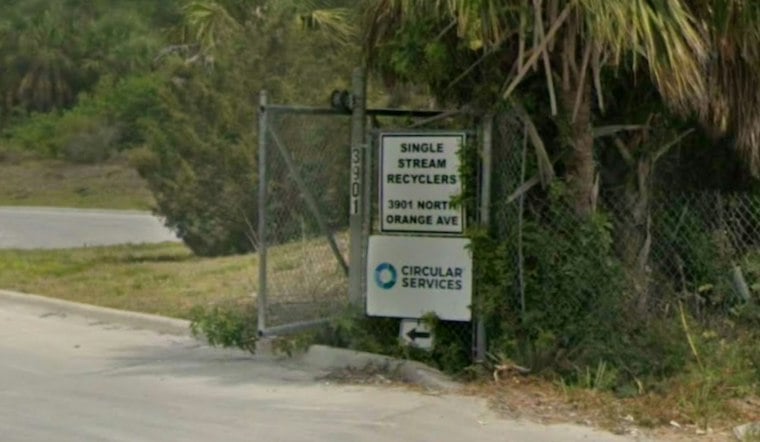
Sarasota has also been home to other robotic sorting systems in recent years. Single Stream Recyclers has operated AMP Cortex robots at a 100,000-square-foot facility in the city, with a reported expansion bringing the total deployment to 14 robots, according to Waste360. SSR co-owner Eric Konik told the outlet those robots can consistently pick 70 to 80 items a minute, which he said is twice as fast as a human sorter and more accurate.
Part of a Bigger Robotics Push
Glacier's robots already sort recycling for roughly one in 10 Americans, operating in cities including Los Angeles, Chicago, Detroit and Phoenix, per mysuncoast.com's reporting. The company has also installed its AI-vision robots at Recology's Seattle facility, where four machines went in over six months with plans for two more, according to GeekWire. That Seattle plant handles roughly 300 tons of mixed recyclables daily, and GeekWire reported the robots there can capture about 80% to 90% of their target plastics as they pass by on the belt.
Glacier's machines have been trained on billions of photos to recognize more than 30 different kinds of materials, GeekWire reported, and the company has said its AI vision systems can offer real-time reporting on the composition and contamination levels of material streams, according to Recycling Product News. The company has said it plans to push the same AI and vision technology into sorting electronic waste, organics, and construction and demolition debris in the future.
For now, the focus in Sarasota is narrower: catching cans and bottles before they disappear into a landfill. With the plant processing 50 tons of material an hour and a single robot already logging 35,000 picks a day, the hope from Circular Services and Glacier is that fewer recyclables slip through the cracks of the old sorting line.



