

























































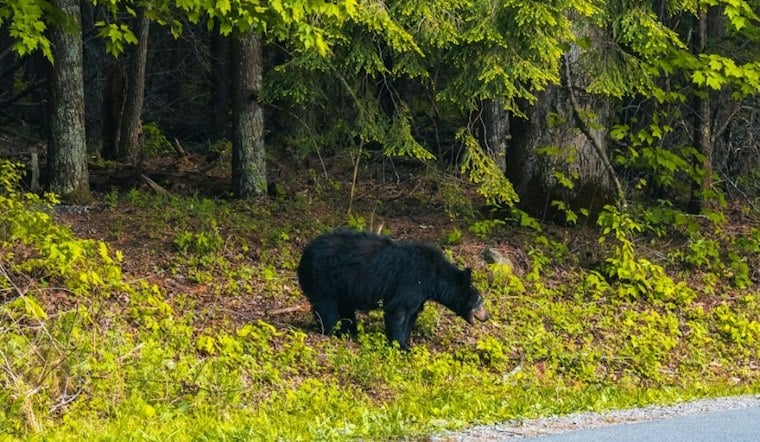
Bear incidents inside Sequoia and Kings Canyon National Parks have more than doubled since 2020, with park records showing 356 reported run-ins by late September 2026 compared to just 158 six years earlier. Property damage tied to those encounters has also spiked, climbing to $17,358 so far this year from $898 in 2020. With black bears now in their pre-hibernation feeding frenzy ahead of winter denning season, park officials are urging visitors to lock down food and trash before the problem gets worse.
A Rising Count, With Important Caveats
The increase amounts to a 125% rise in bear-related incidents since 2020, according to figures reported by The Fresno Bee. Annual totals have swung considerably over that stretch, peaking at 499 incidents in 2022 before dropping to 198 in 2023, then climbing back up to 238 in 2024 and 359 in 2025, per the same tallies. Unsecured trash and food have been persistent drivers of the problem: as of Sept. 28, 61 incidents involved unsecured trash, while another 19 involved bears taking human food, the outlet reported.
American black bears roam the 1,353-square-mile park area, which draws more than 1.5 million visitors in a typical year. The National Park Service says Sequoia and Kings Canyon bears may learn to forage for human food instead of natural food when it becomes available. As bears feed heavily before winter dens, typically between October and December, leaving food or trash accessible can draw them into developed areas.
Vehicle Collisions Add Another Risk
Vehicle strikes have injured 18 bears in Sequoia and Kings Canyon since 2020 and killed four, with Giant Forest, Halstead Meadow and Cedar Grove identified as the parks' bear-vehicle collision hotspots over the past three years, per the Fresno Bee's reporting. In 2024, park staff euthanized a bear cub after it suffered severe injuries in a vehicle strike. Park records also show six problem bears were euthanized for conflict behavior and that two human injuries were documented over the seven-year tracking period covered by the data.
Park authorities have said visitation and access varied during the COVID-19 pandemic, alongside wildfire disruptions and recent winter mudslides, factors to consider alongside the incident totals. Superintendent Woody Smeck urged visitors to keep a safe distance from bears and secure food and other scented items.
What the Counts Show—and What Visitors Can Do
The totals above are reported incidents. The National Park Service defines a bear incident as one in which a bear causes monetary loss, including property damage, or successfully obtains human food. The figures distinguish incident counts from property-damage costs and list different types of reports, including unsecured bins and food taken from campsites, picnic areas and vehicles. The totals also are not adjusted for how many people visited: the National Park Service reported 1.2 million visitors in 2020, 35% fewer than in 2019, so year-to-year incident counts alone do not measure risk per visitor, according to the National Park Service.
The National Park Service says visitors must store all food and anything with a scent, including items they may not consider food. A separate Yosemite example shows how sustained management can combine education, storage infrastructure and individual-bear measures: after more than 1,500 documented incidents in 1998, Yosemite expanded those efforts, according to the National Park Service. That historical episode is a different park and period, not a direct comparison with Sequoia and Kings Canyon’s current totals.
Keeping Food Inaccessible and Encounters at a Distance
Officials advise that anyone confronted by an aggressive or bluff-charging bear should stand their ground, raise their arms and shout loudly rather than run. Visitors are also warned against running or positioning themselves between a mother bear and her cubs.
The pattern is not unique to Sequoia and Kings Canyon. Bear incidents in Yosemite were up 52% as of Sept. 13 compared to the same point the previous year, with 50 incidents and $17,780 in property damage recorded by that date, according to a separate Fresno Bee report. Twenty-one bears have been hit by vehicles in Yosemite so far in 2026, after 24 were struck in all of 2025, when the park also logged 34 total bear incidents. Yosemite is home to an estimated 300 to 500 American black bears, and a single bear may need to consume roughly 20,000 calories a day during the fall feeding push before winter.
A Nationwide Pattern
The surge extends well beyond California's national parks. Human-bear encounters are rising this year in at least 15 states, according to The Washington Post, with agencies across the West, Northeast and Southeast fielding more bear-related calls than the year before. In Colorado, reports have jumped by as much as 200 percent, the paper found. For now, Sequoia and Kings Canyon officials are banking on a simple message heading into denning season: secure your food, keep your distance, and don't give a hungry bear a reason to come closer.





