

























































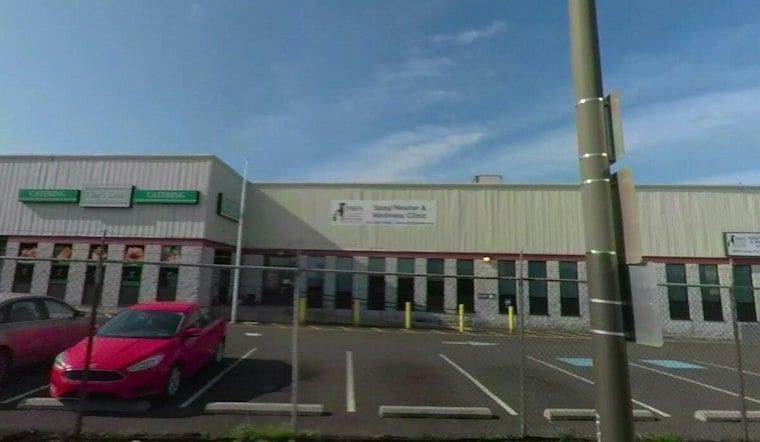
PAWS is planning to break ground later in 2026 on a sprawling new headquarters at 2129 Oregon Ave. in South Philadelphia, a facility that will be three times the size of its current Grays Ferry shelter and is designed to finally give the city's largest animal rescue organization enough room to keep pace with demand. The 18,500-square-foot building will combine a shelter, veterinary clinic and administrative offices under one roof, replacing the patchwork of locations PAWS has relied on for years.
The organization currently splits its operations across three sites: Grays Ferry, Old City and Northeast Philadelphia, according to PhillyVoice. Once animals are relocated to the new Oregon Avenue facility, the Grays Ferry and Old City locations are expected to close, while the Northeast Philadelphia site at 1810 Grant Ave. will stay open. PAWS says it plans to keep operations running as normal throughout construction.
Cory Topel, PAWS communications manager, told the outlet that juggling three separate properties has become an increasingly costly balancing act. Maintaining pets across multiple locations has been financially and logistically challenging as rent and upkeep expenses climb, Topel said, and animals are often shuttled between facilities in ways that can cause delays in their care. Consolidating the Grays Ferry and Old City operations into a single site, Topel said, will improve efficiency and reduce stress for the animals themselves.
More Room for Cats, Dogs and Medical Care
The new headquarters is expected to significantly expand what PAWS can offer. The organization projects it will double its current capacity for dogs and increase its capacity for cats by 20%, allowing it to serve more cats, dogs and other small animals than it can today. The facility is also designed to expand spaying and neutering services, emergency medical care and PAWS' ability to accept stray pets off the street.
Beyond additional kennels and cages, the building's design includes spacious, calming animal housing, adoption spaces, outdoor play areas and gathering spaces, along with larger veterinary clinical and surgical facilities than PAWS currently has access to. Topel described PAWS as more than just a place to adopt a pet, calling it a pet resource center for families. The organization already provides medical care for homeless animals, veterinary care for low-income pet owners, a pet food pantry and behavioral support, and it also offers medical care to smaller rescue groups and trap-neuter-release organizations around the city.
A $15 Million Price Tag, With $10 Million Already Raised
Building the new headquarters is projected to cost $15 million, and PAWS says it has already secured $10 million of that total through private donations and grant funding. The organization has launched a donation campaign to raise the remaining construction funds as it moves toward breaking ground. If timelines hold, the new facility is tentatively slated to open in late 2027, though Topel noted that date remains preliminary as the project moves forward.
Why PAWS Says the Space Crunch Matters Now
PAWS is Philadelphia's largest rescue partner and primarily saves at-risk animals from the city's animal-control shelter, according to the organization's own shelter statistics. PAWS serves as a rescue partner for ACCT Philly, the city's animal-control shelter, taking in at-risk pets, including animals recovering from illness or injury, to help that shelter manage its own capacity pressures. The group also runs two clinics offering affordable veterinary care aimed at keeping families and their pets together, and it says it has rescued more than 45,000 animals over 20 years of operation.
PAWS says it serves more animals each year. The number of stray and surrendered pets entering the city's animal-control shelter has declined by nearly half since PAWS began its work. Philadelphia's shelter lifesaving rate reached 86% in 2023, a dramatic rise from the 11% recorded when PAWS was founded, according to the organization's About PAWS page.
Still, the strain on the broader system has been severe at times. ACCT Philly reported reaching a crisis point with just two empty dog crates remaining, as more than 600 animals arrived at the shelter in a single week, its highest weekly intake in more than a decade, per NBC10 Philadelphia. The station also noted that pet food and treat prices have risen more than 30% since 2021, adding financial pressure on owners already struggling to keep their animals. ACCT Philly's intake surpassed 20,000 animals in 2025, according to its own statistics and reports, which also show the shelter achieved an 87 percent live release rate that year after ranking as the 17th-largest shelter by intake in the country in 2024.
Against that backdrop, PAWS' expanded Oregon Avenue facility represents an attempt to widen the safety net for South Philadelphia's homeless and at-risk animals, giving the organization more room to take in strays, perform surgeries and support families trying to keep their pets rather than surrender them.





