

























































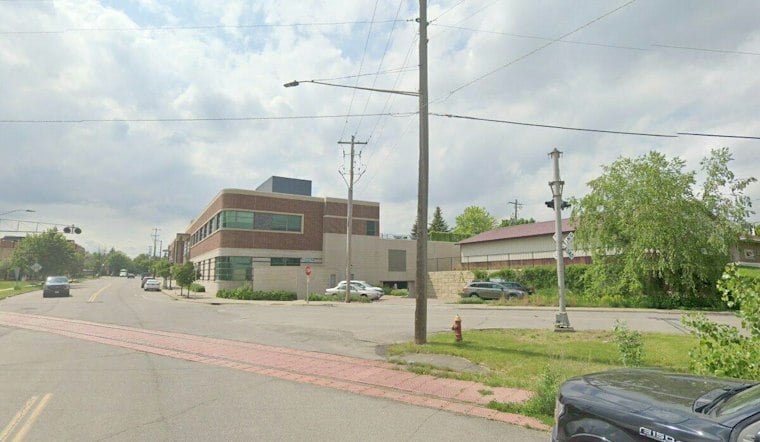
Dozens of runners who finished the Twin Cities Marathon this weekend came back to the Sears parking lot near the Minnesota State Capitol to find their cars gone. The lot had offered free parking for runners in past years, but this year a new contractor, Guardian Recovery Services, towed vehicles aggressively, including some belonging to drivers who said they had already paid.
The towing left many runners and their families scrambling, with several struggling to figure out whom to even call once they realized their car was missing, according to the Minnesota Star Tribune. The vacant Sears lot sits on property owned by Rondo Community Land Trust, which said it never set the tow fees and did not financially benefit from any of the vehicles that were hauled away.
A $399 Cash Demand and No Receipt
Panhia Vang was among the runners who found her car missing. She was told she would need to provide her license, registration and proof of insurance, along with $399 in cash, to get her vehicle back. Vang ultimately paid the cash fee but said she never actually had to hand over the documentation, and she never received a receipt for the transaction. She questioned why cars were being towed during a marathon at all.
Getting that cash wasn't simple either. Guardian's tow-lot ATM charged $7.50 per transaction and capped withdrawals at $200, meaning a driver pulling out $400 to cover the fee paid an extra $15 just in ATM charges. Cars that were towed ended up at a lot on Randolph Avenue below West Seventh Street in St. Paul.
Flagged as Unpaid Despite Proof of Payment
Sam Wright said he paid for parking at the Sears lot, but the tow company's computer system flagged his car as unpaid anyway, and it was towed. Wright was able to prove he had paid, and Guardian arranged to send the car back to the Sears lot by tow truck; he got his vehicle back after about 45 minutes. Wright said the parking rules at the lot were not especially clear, and he described tow trucks prowling around the area.
Cole Selliers avoided a tow through sheer vigilance. He counted at least three tow trucks while waiting near the lot and decided to keep driving in circles rather than risk leaving his car unattended. Selliers had also been directed to a payment website that, confusingly, listed prices as $5,000 for two hours or $11,000 for the day. The lot's entrances stood open, and signs explaining how to pay, marked with QR codes, were posted high on light poles, well above eye level, which meant many drivers, including Vang, simply never saw them.
Rondo Cuts Ties With the Tow Company
Rondo Community Land Trust said that neither marathon organizers nor the tow company contacted the trust before or during the event. The organization said it has decided to end its relationship with Guardian Recovery Services, adding that how the site is managed should reflect its commitment to being a responsible and welcoming community partner. The Star Tribune reported it had reached out to Guardian Recovery Services for comment.
How the Fees Compare Under Minnesota Law
Minnesota Statutes section 168B.035 does not establish a general reasonable-charge requirement for private-property tows from the Sears parking lot, according to the Minnesota Revisor's Office. Minneapolis separately caps private tow fees at $266 under a city ordinance tied to an annually adjusted price index, per the City of Minneapolis, but that limit does not apply across the river in St. Paul, which has no cap on private tow fees. The City of St. Paul licenses towing done from private property at the request of someone other than the vehicle's owner, operator or agent, though that license is not required for tows from public property.
A Familiar Headache for Race Weekends
Race-weekend parking has caused problems elsewhere, too. In Houston, nearly 20 runners had their cars towed in August from a lot they believed had been approved for a race, after Houston Running Co. said permission it secured from business owners was never relayed to the property owner. Those drivers reportedly paid between $300 and $320 to get each vehicle back, and the organizer later offered affected runners a goodwill package valued at more than $250 and pledged to directly verify parking permission with property owners before future events.





