

























































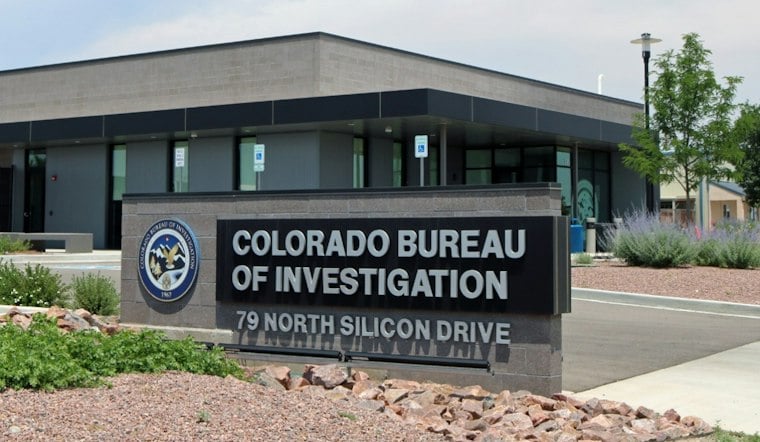
A statewide Senior Alert issued for a missing 77-year-old Sterling woman has been canceled after she was found safe, according to the Colorado Bureau of Investigation. Gloria Gonzales was last seen walking near South Second Street and Lincoln Street on Monday afternoon, wearing a blue shirt, gray sweatpants and black shoes. The alert was later canceled after she was found safe.
The Colorado Bureau of Investigation announced the deactivation of the alert in a Facebook post, confirming that Gonzales had been located safely. The agency's bulletin described her as 5 feet 6 inches tall, weighing about 135 pounds, with gray and brown hair and brown eyes, and noted she had last been seen around 2 p.m. Monday traveling on foot. The alert also stated that Gonzales has a cognitive impairment, one of several criteria for an alert, alongside age eligibility, disappearance in Colorado and a credible threat to health and safety.
Sterling Police Department listed 970-522-3512 for information about Gonzales. Sterling sits along Interstate 76 roughly 128 miles northeast of Denver and serves as the county seat and commercial hub for Colorado's rural Eastern Plains region, according to Wikipedia, with a population of around 13,000 residents.
How Colorado's Senior Alert System Works
Colorado's Senior Alert Program was created under Senate Bill 06-057. The Colorado Bureau of Investigation's program procedures allow alerts when an impaired resident 60 or older disappears under circumstances that threaten their safety. Before an alert can go out, local officers must confirm that the missing person is at least 60, disappeared within Colorado, has a documented mental or cognitive impairment, and faces circumstances posing a credible threat to their health and safety, per the Colorado Bureau of Investigation.
Once those criteria are verified, the CBI pushes the alert to participating television and radio broadcasters across the state. If a license plate number is associated with a vehicle known to the missing person, the Colorado Department of Transportation's Operations Center may post that plate number on variable message signs, the bureau's alert program explains. The Senior Alert system is one of Colorado's emergency notification tools.
Why Wandering Cases Move So Fast
Medical research helps explain why authorities move urgently once a cognitively impaired senior disappears. About 60 percent of people living with dementia or similar impairments will wander away from safety at least once, often repeating the behavior, according to the Alzheimer's Association. The Missing Person with Dementia Guide warns that up to half of missing seniors with cognitive impairment who wander face severe injury or death if they are not located within 24 hours.
Behavioral research also shows wanderers rarely move randomly into wilderness; they tend to follow familiar roads or paths toward former homes or workplaces, which helps investigators prioritize search routes in the early hours. Gonzales's case involved a report that she was missing on foot near a specific city intersection Monday afternoon, followed by confirmation that she was safe.
State Funding for Wandering Prevention
In 2022 the Colorado General Assembly passed Senate Bill 22-187, expanding a CBI grant program that helps local law enforcement agencies fund tracking equipment and community resources for residents at risk of wandering due to cognitive conditions, as Hoodline has reported in prior coverage of a Colorado Springs Senior Alert. The law also directed the CBI to maintain a public database of participating local caregiving and safety programs.
Gonzales's case joins a string of recent Senior Alerts issued across Colorado this year, including a search for a 79-year-old Colorado Springs resident. Colorado's Senior Alert criteria include verified cognitive impairment and a credible safety risk; local agencies and the CBI work to bring missing people home.





