

























































Amanda Shannon was just 33 when a stroke weakened the right side of her body and robbed her of speech, leaving the Strongsville mother able to say only two phrases for months afterward: “I love you” and “thank you.” Years later, after her recovery had stalled and further progress seemed unlikely, Shannon's words started coming back.
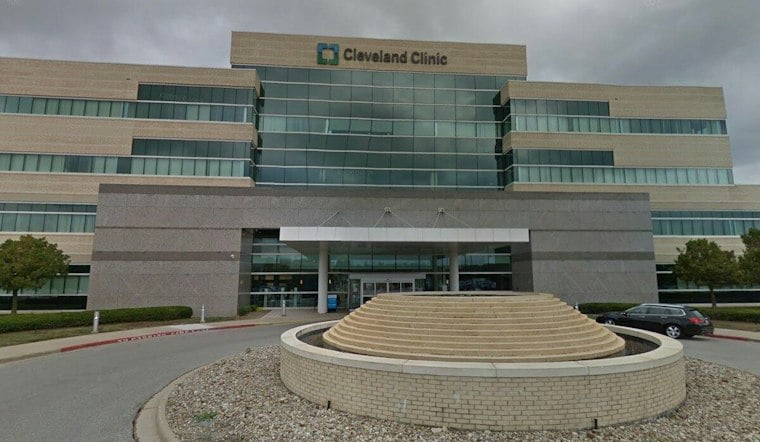
Shannon spent eight weeks in the hospital before beginning physical, occupational and speech therapy, according to Cleveland Clinic. As reported by WKYC, eventually her progress plateaued, and meaningful improvement so long after a stroke appeared unlikely.
That's when Cleveland Clinic physician Dr. Ameya Joshi stepped in with a new approach. Per the Cleveland Clinic account relayed by WKYC, Joshi combined a neurostimulant medication with Shannon's ongoing speech therapy, an approach known as pharmacotherapy. About six years after her stroke, Shannon's speech began to improve again, and Joshi says everyday conversations with her family became much easier for her.
A Recovery That Didn't Stop at Year One
Shannon's case echoes a message Cleveland Clinic has emphasized elsewhere in documenting her rehabilitation: know the recovery you can see from a stroke does not just stop at year one, the clinic's account notes. Still, Joshi says Shannon still has residual impairments from her stroke, and her recovery isn't finished, according to the same WKYC report.
Joshi also offered broader context on aphasia, the language disorder that followed Shannon's stroke. He says almost one-third of patients who have an ischemic stroke experience it, per WKYC's reporting — a statistic that underscores how common Shannon's experience is among stroke survivors, even as her path back to speech took years longer than typical recovery timelines.
Back Behind the Wheel
Shannon's recovery has extended well beyond speech. To return to driving, she had to go through intensive therapy that required her to first train on a driving simulator, according to a separate Cleveland Clinic newsroom account. The same report notes she's regained a lot of strength since her stroke and continues occupational and speech therapy.
In August 2025, Shannon moved forward with vagus nerve stimulation, or VNS, to address persistent problems with right-hand and arm function, the clinic's patient story states. Cleveland Clinic neurosurgeon Mark Bain, who implanted Shannon's VNS device, was involved in that phase of her treatment, per the same account.
Part of a Larger Trend
Shannon's stroke at 33 fits into a pattern researchers have tracked nationally. A population-based study published in Neurology found that stroke incidence among adults aged 20 to 54 climbed from 33.90 cases per 100,000 person-years in 1993-94 to 62.18 in 2020, according to neurology.org. The rise appeared driven largely by ischemic stroke, whose incidence nearly doubled over that same period, the study found, with hypertension, diabetes, atrial fibrillation and substance use all becoming more common among young adults over the study periods.
Research into aphasia recovery itself remains unsettled. The factors associated with recovery of language domains after stroke remain uncertain, according to a large multilingual dataset published in an American Heart Association journal. A separate review focused on post-stroke aphasia treatment found that approximately half of chronic stroke patients continue to experience recovery from aphasia even many years after stroke — a pattern Shannon's own six-year turnaround appears to reflect.





